The job of a metalworker often involves intense fire and heat, which led to a heavy reliance on asbestos and its heat-resistant properties. Metalworkers have suffered higher rates of mesothelioma and asbestos-related lung disease as a result of occupational exposure.
California, Florida, Louisiana, Michigan, New York, Pennsylvania, Ohio, Texas
How Metalworkers Were Exposed to Asbestos
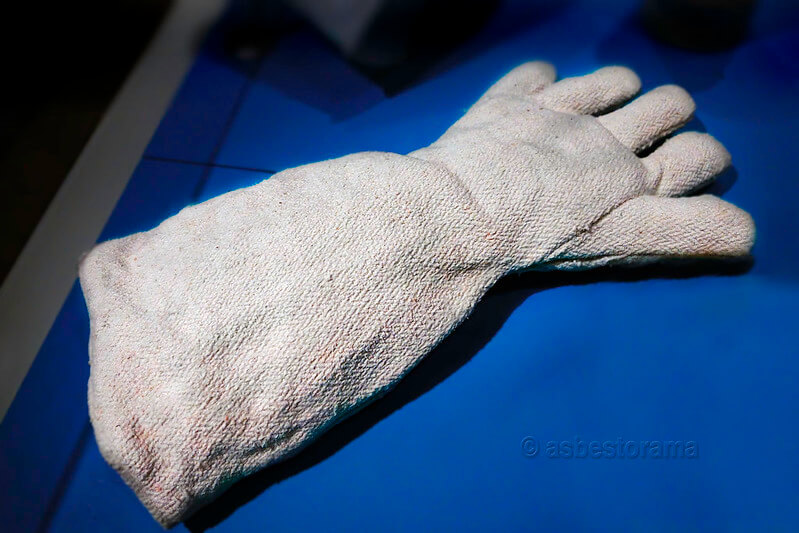
Metalworkers in the U.S. military and private sector experienced significant asbestos exposure, putting them at risk of mesothelioma and other asbestos-related diseases. Even their protective heat-resistant gear, including the gloves and aprons metalworkers wore to shield themselves from heat and flame, often contained asbestos.
Asbestos-lined boilers, furnaces, pipes and tanks released toxic fibers into the air when metalworkers disturbed them in the course of their jobs. The spaces they worked in around these asbestos fibers were often poorly ventilated. As a result, metalworkers have historically had high rates of mesothelioma.
Asbestos gauntlet gloves were used to prevent burns.
This occupational exposure affected the following metalworkers: blacksmiths, forge men, foundry workers, iron workers, metal lathers, sheet metalworkers, smelters, steel mill workers, structural metal craftsmen, tinsmiths and welders. Workers’ families also faced secondary exposure when asbestos fibers were accidentally brought home on work clothes, skin and hair.
Asbestos Products Metalworkers Used and Made
Metalworkers maintained, manufactured, used and worked around many products made with asbestos. The mineral was considered ideal for use in metalwork for its resistance to high temperatures.
Common Asbestos Products Metalworkers Encountered
Coatings: Metals were coated with an asbestos finish for durability and heat resistance.
Construction materials: Asbestos bricks, ceilings, cement, flooring and pipes were common at metalworker jobsites.
Fireproof boards and curtains: Hung around workstations to contain flames and heat.
Fireproofing sprays: Applied to ceilings and structural components to reduce fire hazards.
Gaskets and seals: Used in equipment joints, high-temperature valves, pumps, turbines and welded machinery.
Insulation materials: Used to wrap around boilers, ducts, furnaces and steam pipes in factories, industrial buildings and refineries.
Protective clothing: Woven into textiles like aprons, gloves and jackets designed to resist high temperatures.
Refractory bricks and cement: Kilns, ladles, lined furnaces and other heat-intensive equipment.
Welding blankets: Fireproof sheets laid over surfaces to contain sparks and heat.
Each time these products were moved, replaced or damaged, asbestos fibers could be released. These microscopic fibers are invisible to the naked eye and can linger in the air, posing health risks long after welding work is completed.
Manufacturers of Asbestos Products Used in Welding
Construction, textile and other manufacturers produced asbestos-containing safety gear and materials used in steel mill work, welding and other types of metalwork. Many of these companies later became the subject of mesothelioma lawsuits.
After facing mounting litigation, some of these manufacturers declared bankruptcy. As part of their chapter 11 proceedings, they created asbestos trust funds to set aside money for future claims and compensate harmed workers.
Companies Known for Asbestos Products Metalworkers Used
Armstrong World Industries: Manufactured tiles and insulation with asbestos fibers.
Aspromet Company: This company made a product called Asbestos Protected Metal that was installed in hangars belonging to the U.S. armed forces.
Eagle-Picher: Known for high-temperature insulation used in furnaces and foundries.
Foseco: Made asbestos foundry products, including hot top insulation, Ferrux hot topping compound, metal casting core coatings, exothermic riser sleeves (Kalminex brand) and furnace linings.
GAF Corporation: Distributed insulation and roofing materials used in steel plants.
Garlock Sealing Technologies: Produced asbestos gaskets, cloth, packing and seals metalworkers encountered in welded joints and at construction sites and foundries.
Guard-Line Inc.: Made asbestos gloves used by welders and metalworkers.
H.H. Richardson Company: Manufactured Galbestos panels, a galvanized, corrugated sheetmetal that bore an asbestos felt coating.
Johns Manville: Produced cement, heat panels, insulation and textiles used in industrial settings and shipbuilding.
Owens Corning: Manufactured asbestos-based insulation for pipes and boilers, as well as other asbestos construction products.
Raybestos-Manhattan: Produced brake linings and protective gear like asbestos gloves and welding safety gear.
Richmond Fireproof Door Company: Made an asbestos metal fireproof door under the brand name Fyrgard.
Steel Grip: Made asbestos gloves and asbestos shoe coverings steelworkers used.
Union Carbide: Created asbestos refractories and insulation blocks for industrial settings.
Wallace-Murray Corp.: Manufactured asbestos metal products under the brand name Metalbestos.
W.R. Grace & Co.: Produced asbestos insulation and fireproofing sprays.
Metalworkers often had no idea the products they used every day as welders, steel mill workers, etc., could harm them. Even small, routine jobs could lead to dangerous exposure over time, with health effects showing up decades later.
FREE MESOTHELIOMA TREATMENT GUIDE
Expert Guidance for Your Mesothelioma Journey
Get answers about treatment, top doctors, and clinical trials from the nation’s most trusted mesothelioma resource.
Mesothelioma has been linked to asbestos exposure in metalwork, especially when workers were in close contact with insulated surfaces or worn fireproof gear. Several studies have linked various types of metalwork with higher mesothelioma incidence rates.
Two 2024 studies found welding and steel mill work both had high asbestos exposure rates and risk of disease. One study in Journal of Occupational and Environmental Hygiene confirmed steel mill workers performing maintenance and furnace work had significant concentrations of asbestos fibers found in their lungs. Another study in Ultrastructural Pathology reported welding put workers and anyone working nearby at risk.
According to the International Agency for Research on Cancer, welders have a higher incidence of lung-related diseases, including mesothelioma. And a study in the Journal of Exposure Science & Environmental Epidemiology in 2023 found metalworkers had a significantly higher risk of developing mesothelioma.
Compensation for Exposed Metalworkers
Metalworkers, including sheet metalworkers, steel mill workers and welders, who have been diagnosed with mesothelioma may be eligible for compensation. Successful asbestos claims can help cover medical treatment, lost income and travel expenses related to care.
Patient Advocates, particularly those who are VA-accredited claims agents, can help guide mesothelioma survivors through filing for VA benefits. They can also help people find the right legal help for them to file asbestos trust fund claims or a lawsuit.
Common Legal and Financial Options
Asbestos trust fund claims: Payouts from bankrupt companies that sold asbestos materials.
Personal injury lawsuits: Claims filed against the manufacturers of asbestos products.
VA benefits: For military welders exposed during service.
Workers’ compensation: Benefits from state programs tied to occupational illness.
Two ex-welders who utilized asbestos products from Lincoln Electric sued the company in 2007 over asbestos exposure that caused their mesothelioma and lung cancer diagnoses. The jury awarded them more than $6 million in damages.
Legal options vary based on diagnosis, work history and the companies responsible for exposure. Filing a claim doesn’t interfere with your access to medical care. An experienced asbestos attorney can help ensure deadlines are met and compensation is maximized.
Recommended Reading
Your web browser is no longer supported by Microsoft. Update your browser for more security, speed and compatibility.
If you are looking for mesothelioma support, please contact our Patient Advocates at (855) 404-4592
Fact Checked
Our fact-checking process begins with a thorough review of all sources to ensure they are high quality. Then we cross-check the facts with original medical or scientific reports published by those sources, or we validate the facts with reputable news organizations, medical and scientific experts and other health experts. Each page includes all sources for full transparency.
Reviewed
Asbestos.com is the nation’s most trusted mesothelioma resource
The Mesothelioma Center at Asbestos.com has provided patients and their loved ones the most updated and reliable information on mesothelioma and asbestos exposure since 2006.
Our team of Patient Advocates includes a medical doctor, a registered nurse, health services administrators, veterans, VA-accredited Claims Agents, an oncology patient navigator and hospice care expert. Their combined expertise means we help any mesothelioma patient or loved one through every step of their cancer journey.
More than 30 contributors, including mesothelioma doctors, survivors, health care professionals and other experts, have peer-reviewed our website and written unique research-driven articles to ensure you get the highest-quality medical and health information.
About The Mesothelioma Center at Asbestos.com
Assisting mesothelioma patients and their loved ones since 2006.
Helps more than 50% of mesothelioma patients diagnosed annually in the U.S.
A+ rating from the Better Business Bureau.
5-star reviewed mesothelioma and support organization.
My family has only the highest compliment for the assistance and support that we received from The Mesothelioma Center. This is a staff of compassionate and knowledgeable individuals who respect what your family is experiencing and who go the extra mile to make an unfortunate diagnosis less stressful. Information and assistance were provided by The Mesothelioma Center at no cost to our family.
Marchese, S. (2026, February 12). Metalworkers. Asbestos.com. Retrieved June 8, 2026, from https://www.asbestos.com/occupations/metal-workers/
MLA
Marchese, Sean. "Metalworkers." Asbestos.com, 12 Feb 2026, https://www.asbestos.com/occupations/metal-workers/.
Chicago
Marchese, Sean. "Metalworkers." Asbestos.com. Last modified February 12, 2026. https://www.asbestos.com/occupations/metal-workers/.
My primary support since being diagnosed with Mesothelioma, over 2 years ago, has been this company. Their monthly nationwide support group has been a tremendous help for me. I have learned about others' treatments and have been able to freely discuss mine, knowing others walk the same walk as I do and fully understand. Karen Selby, the nurse and patient advocate, has helped me so much. I call her and she delivers. She's experienced in Thoracic surgeries, is supportive, kind, knowledgeable, and makes a patient feel very cared for! The whole staff are polite, caring, and will help with Mesothelioma victims' many needs. I feel very blessed to have this Organization by my side as I live with this cancer.
I found out about The Mesothelioma Center while researching Peritoneal Mesothelioma days after being diagnosed with malignant cancer. While a lot of the 'Mesothelioma' websites are actually law firms just trying to get your business, theirs is a user-friendly, comprehensive website set up to aid patients, their loved ones, and/or caregivers with all things related to a cancer diagnosis from asbestos exposure. I was soon put in touch with one of their doctors, Snehal Smart, M.D., who immediately sent me a packet of general information, a book on surviving Mesothelioma, and offered me assistance in finding doctors, reputable law firms, financial help, support groups, and so much more! The Mesothelioma Center's website is, in my opinion, the best resource for anyone suffering from cancer due to asbestos. Dr. Smart is amazing! She is very knowledgeable and helpful, but she is also a very kind, caring doctor who appears to go the distance whether she is researching a pertinent topic, making suggestions, providing contacts, or just being a good listener on the other end of the phone. In addition, Dr. Smart referred me to a law firm who is now fighting to get me compensation for the negligence of those defendants whose products exposed me to asbestos and caused my subsequent cancer. Thank you, TMC and Dr. Smart, for helping me determine the best treatment plan for my cancer and being part of my miracle. I am currently cancer-free and back to being a mom to my precious daughter. The Mesothelioma Center, their website, and their staff rock!!
I just want to take this time to thank Mesothelioma Center for all the information you provide. The survival stories are inspiring and give hope where hope is needed! Thanks to you, I have met many others on the site and continue to converse with them. Keep up the good work. I am always looking forward to your posts! Thank you, Richard Delisle.
My brother was recently diagnosed with mesothelioma. I began researching it online. The information I received from The Mesothelioma Center is all-inclusive. No need to look anywhere else! The first phone call was with Karen, and she answered all my questions with ease. She also had a calming effect by presenting all the options available for my brother and his family. Thank you!
My father was recently diagnosed with mesothelioma. We, as a family, were devastated. We were uncertain where to even start, so we reached out to The Mesothelioma Center. They were absolutely amazing. They provided physicians in our area who specialize in this type of cancer because it is so rare. They also set us up with a firm who specializes in getting funds that are set aside to help with our medical bills. I’m so glad we made the phone call. They were very knowledgeable, supportive, sincere, and true patient advocates.
An occupational scientist or another expert who specializes in occupational hazards reviewed the content on this page to ensure it meets current scientific standards and accuracy.
Arti Shukla, Ph.D., is an internationally renowned asbestos researcher known for her achievements in identifying biomarkers that cause mesothelioma. She is the director of the Shukla Research Lab, as well as a professor of pathology at The University of Vermont Larner College of Medicine.
Fact-checked and verified content:
Our fact-checking process begins with a thorough review of all sources to ensure they are high quality. Then we cross-check the facts with original medical or scientific reports published by those sources, or we validate the facts with reputable news organizations, medical and scientific experts and other health experts. Each page includes all sources for full transparency.
Please read our editorial guidelines to learn more about our content creation and review process.