
Connect With a Mesothelioma Doctor
Our network includes specialists at top cancer centers nationwide. Matching is free and personalized.
Find My SpecialistMesothelioma Survival Support
A mesothelioma prognosis isn't a prediction, it's a starting point. Stage, cell type, and whether you see a specialist can change your outlook significantly. Below, we'll explain what the numbers mean and what to do next.
Fast Specialist Match
Get matched with a mesothelioma doctor in your area.
Prognosis Context
Understand what your diagnosis actually means.
Actionable Steps:
Know what to do next.
Fast Specialist Match
Get matched with a mesothelioma doctor in your area.
Prognosis Context
Understand what your diagnosis actually means.
Actionable Steps:
Know what to do next.
Understanding the Basics
A medical assessment of how the disease is likely to progress — based on your specific diagnosis, not population averages alone.
A prognosis reflects the expected course and outcome of your disease. Physicians consider stage at diagnosis, cell type (epithelioid, sarcomatoid, or biphasic), your overall health, and how the cancer responds to treatment.
Survival rates are reported as a median — meaning half of patients live longer than that figure. Many patients significantly exceed estimates, particularly those who access specialist care early and pursue aggressive, multidisciplinary treatment.
Prognosis is an estimate, not a verdict. Taking action — especially connecting with a mesothelioma specialist — is the single most impactful step most patients can take.
Our free guide covers survival rates, treatment options and what to ask your specialist. Written for patients and families, not doctors.
Get the Free GuideMultimodal Treatment Outcomes
Mesothelioma patients treated with surgery plus chemotherapy lived twice as long as those with chemotherapy alone.
Source: The Mesothelioma Center at Asbestos.com
What Shapes Your Outcome
Some prognosis factors are fixed at diagnosis, while others are actionable. Focusing on the right interventions early can improve treatment access and outcomes.
Stage at Diagnosis
Earlier stages generally allow more treatment options, including surgery and multimodal care.
Cell Type (Histology)
Epithelioid tends to respond best, while sarcomatoid is more aggressive and biphasic depends on the mix.
Specialist-Led Care
Mesothelioma specialists see these cases every week. Community oncologists may see one a year. That experience gap shows up in treatment decisions, trial access, and outcomes.
How to Improve Prognosis
Treatment access is often the most actionable factor. Start with these high-impact steps.
1. See a mesothelioma specialist early. Specialized teams can offer options most community centers do not.
2. Ask about immunotherapy combinations. Not every center presents front-line combinations by default.
3. Explore clinical trials quickly. Eligibility windows can narrow over time.
4. Get a second opinion. A second review can materially change your treatment path.
Our network includes specialists at top cancer centers nationwide. Matching is free and personalized.
Find My SpecialistOur Team
Meet your Patient Advocates.
When you reach out, you'll talk to a real person: a registered nurse, a physician, or a board-certified patient advocate. Our team has helped thousands of mesothelioma patients and families figure out what to do next.
We can help you:

Registered Nurse and Patient Advocate
RN and Board Certified Patient Advocate. Background in oncology, thoracic surgery, and cancer treatment.
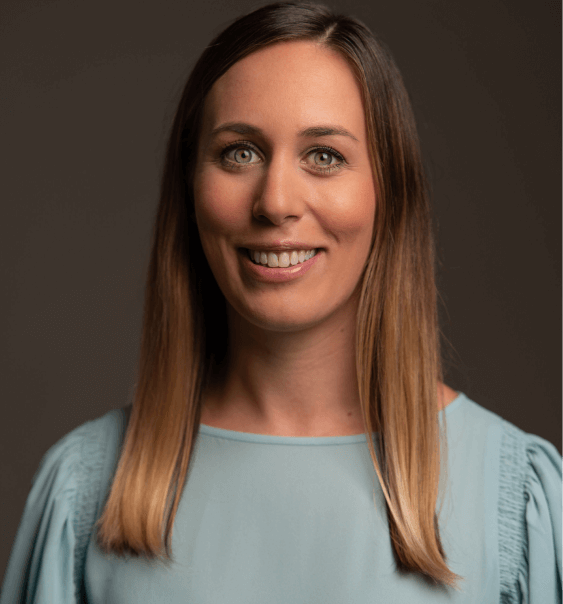
Financial Advocate, Board Certified Patient Advocate, and VA-Accredited Claims Agent
Board Certified Patient Advocate and VA-accredited claims agent. Helps patients access treatment and navigate financial options.

In-House Medical Doctor and Patient Advocate
In-house medical doctor. Answers medical questions and helps patients understand treatment options and clinical trials.
Review prognosis and treatment information at your own pace.
Your web browser is no longer supported by Microsoft. Update your browser for more security, speed and compatibility.
If you are looking for mesothelioma support, please contact our Patient Advocates at (855) 404-4592

Our fact-checking process begins with a thorough review of all sources to ensure they are high quality. Then we cross-check the facts with original medical or scientific reports published by those sources, or we validate the facts with reputable news organizations, medical and scientific experts and other health experts. Each page includes all sources for full transparency.
Please read our editorial guidelines to learn more about our content creation and review process.