L’Oréal Eyes Separation From Hundreds of Talc Lawsuits
Legislation & Litigation
Written by Travis Rodgers | Edited by Amy Edel
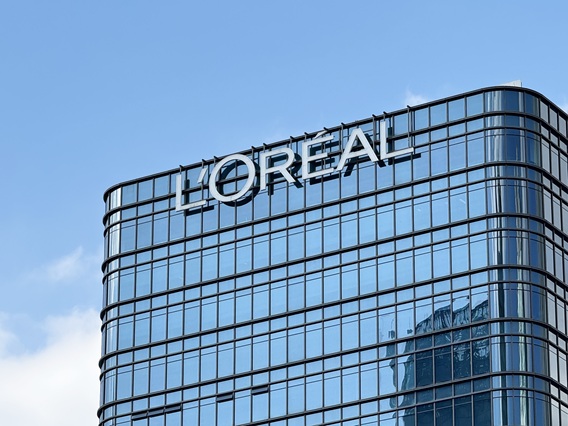
L’Oréal is reportedly exploring ways to separate itself from mounting U.S. legal liabilities tied to talc-containing cosmetics and other products. As of June 30, 2026, about 760 proceedings were pending against the company’s U.S. subsidiaries over allegations that certain talc-containing cosmetics were contaminated with asbestos. That’s up from about 620 proceedings at the end of 2025.
Alexandra Scranton, director of science and research at Weaving Voices for Health & Justice, spoke to The Mesothelioma Center about the company’s possible plan. She noted that allowing companies to separate themselves from liabilities related to harmful products could have broader consequences.
“If L’Oreal is permitted to dodge responsibility for the harms it has caused by restructuring, this could send a message to other manufacturers that there are no real consequences for intentionally marketing products likely to cause harm when used as intended,” Scranton explained. “The only positive note from these legal shenanigans is they signal that L’Oréal now realizes that they stand to lose these lawsuits, and that their pseudoscience defense of talc in cosmetics is not sound.”
The company’s U.S. subsidiary hired a law firm to consider options for handling the lawsuits, according to The Wall Street Journal. One option under consideration would move the liabilities into a separate entity and sell that entity to an outside investor. L’Oréal hasn’t publicly confirmed that it will pursue a transaction.
Why L’Oréal Faces Asbestos Lawsuits
Plaintiffs claim talc in L’Oréal’s products was contaminated, exposing them to asbestos, which is the primary cause of mesothelioma. L’Oréal denies the allegations.
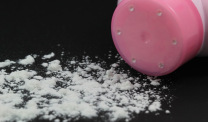
Talc is used in cosmetics and personal care products to absorb moisture and improve texture. Because talc and asbestos deposits occur near each other underground, talc can become contaminated with asbestos.
Companies facing large numbers of injury claims have increasingly looked at restructuring strategies to manage long-term litigation. Johnson & Johnson attempted to resolve tens of thousands of talc claims through bankruptcy filings involving subsidiaries created to hold those liabilities, but courts rejected those bankruptcy attempts.
FDA Withdrawal Leaves Testing Gap
The U.S. Food and Drug Administration withdrew a proposed rule in November 2025 that would have established standardized methods for testing talc-containing cosmetics for asbestos. The FDA first proposed the rule in December 2024 under the Modernization of Cosmetics Regulation Act of 2022.
The proposal would have required manufacturers of talc-containing cosmetics to test for asbestos using specified methods and maintain records demonstrating compliance. The FDA said comments raised scientific, technical and legal issues requiring further consideration. The agency said it still plans to issue a new proposed rule to fulfill its legal obligation to establish standardized testing methods.
Scranton said standardized testing would help verify manufacturers’ claims that their talc supplies don’t contain asbestos. “A main purpose in having the asbestos testing rule was to verify the claims of manufacturers that the talc they use in their products has been carefully screened to exclude any asbestos fibers,” she noted. “Simply taking a company’s word for it is inadequate to protect public health.”
Scranton added that consumers shouldn’t have to worry about asbestos exposure from everyday products. “As a society, we simply should not allow exposure to a harmful substance like asbestos from cosmetics or any other product,” she stressed.
Advocates Push for More Transparency
Scranton said consumers deserve to know where ingredients come from, how manufacturers test them and what they do when concerns arise. “Companies should be wholly responsible for the purity of the ingredients they use and the products they produce for their customers,” she explained.
She added, “They are responsible for the health impacts of their products. Where issues and concerns exist about contamination by toxic substances like asbestos, companies should absolutely be required to minimize contamination as much as possible and disclose how they are doing so to their customers.”
L’Oréal also faces substantial U.S. litigation involving hair relaxers. Its half-year report said its U.S. companies were defendants in more than 11,000 consolidated federal proceedings involving hair relaxers as of June 30, along with more than 1,000 actions in state courts.
Arizona Attorney General Kris Mayes filed a consumer fraud lawsuit against L’Oréal USA, its parent company and SoftSheen in September over the marketing and sale of chemical hair relaxers. L’Oréal has disputed claims involving those products.
For now, L’Oréal hasn’t announced a restructuring transaction involving its talc liabilities. Any eventual transaction could have significant financial implications for people with pending and future claims.