Mesothelioma awareness is a global movement to educate the public, support patients and achieve a full asbestos ban. It connects survivors, caregivers, researchers and policymakers to improve outcomes for patients. Mesothelioma Awareness Day on Sept. 26 is the most recognized annual observance.
Raise awareness of mesothelioma and show support for those with the disease.
Well, first of all, I think that a lot of things needs to be done to increase the awareness about mesothelioma and asbestos. One thing is, I believe that it should be publicized more, just as the other cancers, such as breast cancer and things like that. I think that it should be on a national level to get out to the people.
And that it should be more support groups. Because obviously this is a cancer that a lot of people get. But a lot of people don't know about it.
So going in there blindly like I did, I think now people shouldn't have to do that. When people are more aware about something, and if they get it, they'll know where to go to get the information that they need, so they can fight this disease.
Well, first of all, I think that a lot of things needs to be done to increase the awareness about mesothelioma and asbestos. One thing is, I believe that it should be publicized more, just as the other cancers, such as breast cancer and things like that. I think that it should be on a national level to get out to the people.
And that it should be more support groups. Because obviously this is a cancer that a lot of people get. But a lot of people don't know about it.
So going in there blindly like I did, I think now people shouldn't have to do that. When people are more aware about something, and if they get it, they'll know where to go to get the information that they need, so they can fight this disease.
“Prevention is the key. Every time I have conversations with people, everybody thinks that asbestos is actually banned in the United States, and they're shocked to hear that it's not. … A lot of times people don't get involved unless it actually affects themselves or somebody they know or somebody they love. … You may think that this is not going to affect you, but the truth is it is affecting all of us.”
Missy Peterson, director of Medical Outreach, The Mesothelioma Center
“Participants felt angry regarding their exposure to asbestos and having been diagnosed with mesothelioma and some channeled this anger into campaigning for the removal of asbestos or compensation from those who had exposed them. The ability to release and validate their anger and frustration provided therapeutic value. … Participants expressed the importance to them of a public recognition of the injustice of being exposed to asbestos and that they were a part of a larger social justice movement.”
Dr. Stephanie Ejegi-Memeh, Dr. Catriona Mayland et al., European Journal of Oncology Nursing, 2024
“Collaboration is the future, especially in raising awareness about mesothelioma and the dangers of asbestos exposure. I’ve teamed up with health care advocates as well as reputable organizations such as The Mesothelioma Center and the American Cancer Society on prevention and early detection campaigns. I’m not in this alone, and that’s a good feeling. Being able to come together for this one initiative makes it a fact that teamwork makes the dream work.”
Tamron Little, peritoneal mesothelioma survivor and advocate
The awareness movement educates the public and funds research.
Blue ribbons, wristbands and the Light the World Blue campaign are the movement’s recognized symbols.
Because asbestos is the primary cause of mesothelioma, and it remains only partially banned in the U.S., preventing exposure remains the movement’s core goal.
Congress officially designated September 26 as National Mesothelioma Awareness Day in 2010 and September is Mesothelioma Awareness Month.
Symptoms can take 20 to 60 years to appear after asbestos exposure, making early detection awareness critical.
“Prevention is the key. Every time I have conversations with people, everybody thinks that asbestos is actually banned in the United States, and they're shocked to hear that it's not. … A lot of times people don't get involved unless it actually affects themselves or somebody they know or somebody they love. … You may think that this is not going to affect you, but the truth is it is affecting all of us.”
Missy Peterson, director of Medical Outreach, The Mesothelioma Center
“Participants felt angry regarding their exposure to asbestos and having been diagnosed with mesothelioma and some channeled this anger into campaigning for the removal of asbestos or compensation from those who had exposed them. The ability to release and validate their anger and frustration provided therapeutic value. … Participants expressed the importance to them of a public recognition of the injustice of being exposed to asbestos and that they were a part of a larger social justice movement.”
Dr. Stephanie Ejegi-Memeh, Dr. Catriona Mayland et al., European Journal of Oncology Nursing, 2024
“Collaboration is the future, especially in raising awareness about mesothelioma and the dangers of asbestos exposure. I’ve teamed up with health care advocates as well as reputable organizations such as The Mesothelioma Center and the American Cancer Society on prevention and early detection campaigns. I’m not in this alone, and that’s a good feeling. Being able to come together for this one initiative makes it a fact that teamwork makes the dream work.”
Tamron Little, peritoneal mesothelioma survivor and advocate
The awareness movement educates the public and funds research.
Blue ribbons, wristbands and the Light the World Blue campaign are the movement’s recognized symbols.
Because asbestos is the primary cause of mesothelioma, and it remains only partially banned in the U.S., preventing exposure remains the movement’s core goal.
Congress officially designated September 26 as National Mesothelioma Awareness Day in 2010 and September is Mesothelioma Awareness Month.
Symptoms can take 20 to 60 years to appear after asbestos exposure, making early detection awareness critical.
Why Mesothelioma Awareness Matters
Mesothelioma awareness supports patients, families and advocates. Because mesothelioma is a very rare cancer, with only about 3,000 diagnoses per year in the U.S., it receives far less research funding than more common cancers. It’s also an aggressive and difficult cancer to treat, making research vital. Awareness can inspire public calls for research investment and helps people find mesothelioma experts who can tailor care to their needs, improving outcomes.
Awareness and prevention are also deeply connected. Asbestos is the primary cause of mesothelioma, and the movement’s push for a full U.S. asbestos ban is the most direct way to prevent future diagnoses. Raising public awareness about mesothelioma and its risk factors can also fuel public calls for policy action.
For patients and caregivers, getting involved in mesothelioma advocacy offers hope. Dana Nolan, MS, LMHC, tells us, “There are demonstrated mental health benefits to taking action to stand up for our rights and spread the word about our experiences through advocacy. People often report feeling empowered when they see they can make a difference. … Mesothelioma advocacy usually leads to better understanding and connectedness with providers, family and the community.”
How Survivors and Caregivers Are Getting Involved in Mesothelioma Advocacy
Survivors and caregivers find their own ways into the mesothelioma awareness movement, and research suggests the journey itself can be healing. A 2024 study in the European Journal of Oncology Nursing found that patients who channeled their anger about asbestos exposure into advocacy reported therapeutic value in doing so, and that being part of a larger social justice movement supported their mental health and wellbeing.
Michael Cole, a long-time pleural mesothelioma survivor, knows that balance firsthand. He writes, speaks at webinars and shares personal insights to help others, while staying mindful of his own limits. Michael explains, “I have to live my life in such a way as to manage the stress, to recognize when I may be putting myself in a position of too much stress and do something different. Or to think about a situation differently to minimize or negate the stress. Make an effort to enjoy things and do things that are relaxing.”
Tamron Little was just 21 when doctors diagnosed her with peritoneal mesothelioma. She has since brought mesothelioma awareness to a national stage, including an appearance at the Cancer Moonshot Forum at the White House. “It’s important for people to actually see that a young woman of color was exposed to asbestos as a toddler and diagnosed with peritoneal mesothelioma at the age of 21,” Tamron says. “My transparency is opening up more dialogue for others. I’m creating a space for mesothelioma patients and caregivers to feel comfortable asking uncomfortable questions.”
Kevin H., diagnosed with pleural mesothelioma in August 2021, approaches awareness as a calling. “This is like a vocation to me now,” Kevin told us. “I’m trying to use every moment I have to talk to people and give them some sort of encouragement so they don’t have the fears that I had. I don’t want them to feel isolated.” Kevin also makes sure caregivers aren’t overlooked. “People who are taking care of mesothelioma patients also play a vital role and shouldn’t be forgotten. You have to take care of the caregivers.”
Exclusive Content
Kevin H.: Why I’m Passionate About Raising Mesothelioma Awareness
Well, the first thing that drives it is the fact that I have it myself. If you don’t have mesothelioma, you don’t have a complete picture as to what’s going on. We’ve talked about doctors and nurses and so forth who deal with mesothelioma and they understand from a medical clinical standpoint what’s going through our heads or our bodies.
But, even the doctors, as learned as they may be, they don’t necessarily know what’s going through our heads. And the bottom line here is I’m passionate about this because I think I can make a contribution to other people. I do wanna make this a better place.
Mesothelioma is rare. All of us who have it understand that it’s rare. I think it’s about three thousand new cases a year in the United States.
Having said that, there’s so much that can be transmitted to other people if people are talking about it. I don’t know if I wear my mesothelioma as a badge of courage. Maybe I do, maybe I don’t.
But one of the things that’s important to me is I wanna spread the word so that others who follow me come down with it. They’re not starting from ground zero, they’re starting from they’ve heard something about this. It’s not the great unknown and I want them to know particularly that I feel passionate about that there is a life beyond mesothelioma.
That is incredibly important and I’ve heard stories. We’ve had survivors come back on these calls who’ve had mesothelioma for ten, twelve, fifteen years. I wanna be one of those and I more importantly than that, I want others who follow me.
I’m at the four year mark or four years plus mark. I want the people who are following me, who found out about it last week, that they might be able to live four or five or six or ten years. I want them to feel that way, and that’s why I’m passionate about it as well.
It gives everyone hope and for me to be able to transmit that sense of hope to others is a great feeling for me.
How You Can Help Raise Mesothelioma Awareness
Anyone can take part in the mesothelioma awareness movement, and there are meaningful ways to get involved at every level of commitment. Whether you’re a mesothelioma survivor, caregiver or supporter, taking action connects you to a community fighting for research funding, better care and a full asbestos ban.
Ways to Get Involved
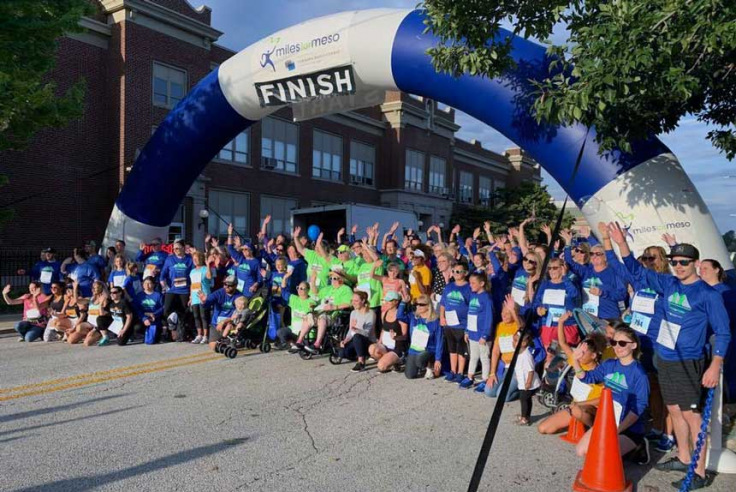
Join a fundraising walk or run, such as Miles for Meso, a nationwide series of events that has raised nearly $1 million for mesothelioma research since 2009.
Participate in The Mesothelioma Applied Research Foundation’s Light the World Blue campaign, which illuminates more than 250 landmarks across the country in blue each September 26, which is Mesothelioma Awareness Day.
Wear blue or request a free mesothelioma awareness wristband to show solidarity with patients and families.
Share information about mesothelioma and asbestos risks on social media using hashtags such as #EndMesothelioma, #curemeso, #MoreThanMeso and #MesotheliomaAwarenessDay.
Contact your representatives to push for a full U.S. asbestos ban and stronger asbestos regulations.
Donate to mesothelioma research organizations or patient support groups.
Watch or share educational webinars and podcasts from The Mesothelioma Center.
Mesothelioma Awareness Day on September 26 brings the community together around all of these actions at once. It’s one of the most visible opportunities of the year to add your voice to the movement, connect with others who share the cause and push for the policy changes that could end new mesothelioma diagnoses.
Tamron Little
Verified Asbestos.com Survivor
Longtime Cancer Survivor Reflects on Mesothelioma Awareness
Over the last year, I have been able to shine a spotlight on mesothelioma on a national level – especially when I was afforded the opportunity to attend the Cancer Moonshot Forum at The White House. I was just 21 years old when I was told I had peritoneal mesothelioma. Being diagnosed so young is a rarity.
Mesothelioma Awareness Day is observed every September 26, uniting survivors, caregivers and loved ones around a shared mission. MARF founded the day in 2004, and Congress officially recognized it in 2010. In 2026, the observance marks its 22nd year since founding. Since its creation, the community has raised awareness, called for asbestos bans, connected with mesothelioma specialists and hosted events that fund research.
Fundraisers and awareness campaigns on and around September 26 put that mission into action. Events such as iWalk4Meso, Miles for Meso and Kayaking 4 Meso raise funds for research while educating the public about the health effects of asbestos exposure. Supporters wear blue clothing, awareness bracelets and ribbons to observe the day and share photos on social media.
ADAO leads Mesothelioma Awareness Month each September, extending the reach of the day’s message across 30 days of advocacy. Together, the day and the month give the community a focused window to amplify awareness, fund research and push for the policy changes that matter most.
What would you like to see happen with asbestos regulation?
[MUSIC PLAYING] Looking towards the future, one of the things that I would like to see within the mesothelium community is really making aware of what asbestos is, what it does, and what materials it’s included in, especially in the United States. During my little research, I found out that, even though the United States does not say that they make products with asbestos in it, but products with asbestos is being shipped into the United States daily. It will be great for the United States to get a hold of that. So we can really track this down and see which products has asbestos in it and which products doesn’t. So we could push this out to the public and make it be known. [MUSIC PLAYING]
What advice would you give patients currently battling mesothelioma?
I have to tell the rest of the people that what the doctors say, not all the time is right. Some doctors just tell you something because there’s a procedure. They don’t they don’t go beyond that. And I think that was my case where they just wanted to apply a procedure, and I didn’t let them apply that procedure. In my case. So it’s different than everybody else other case, but in my case, by not applying the whole procedure that they wanted me to do to to have, actually, I think I saved myself. And I’m not saying that that’s the right thing for everybody. I’m just saying that you can’t just accept what the doctor says. As definite. And for us, actually, it was an extension of our life when I took that decision.
How The Mesothelioma Center Advocates for the Mesothelioma Community
The Mesothelioma Center advocates for the mesothelioma community through direct outreach, education and hands-on support for survivors and families. Since 2006, we have connected patients with specialists, educated healthcare providers and worked with the broader awareness movement to advance the cause.
How We Raise Mesothelioma Awareness
Our Patient Advocates connect survivors and families with mesothelioma specialists, financial resources and support, helping more than half of all Americans diagnosed with mesothelioma each year.
The Medical Outreach team visits the nation’s top cancer centers to build partnerships with leading mesothelioma specialists, connecting patients to the right care and helping healthcare professionals access education and resources.
Through our Veterans Outreach program, we build relationships with VA medical centers and veteran service organizations nationwide, raising awareness of military asbestos exposure and ensuring no veteran with mesothelioma is left without support.
The Home Health & Hospice Outreach program connects patients with comfort care organizations, scheduling assistance and financial support, serving about 75% of the U.S. population.
We’ve built a network of expert contributors including mesothelioma survivors, board-certified doctors and healthcare professionals who write and medically review our content to ensure the mesothelioma community has access to the most current information.
The history of mesothelioma shows that misconceptions about the disease persist, and education remains one of the most powerful tools for changing that. Through webinars, podcasts and a comprehensive library of resources, The Mesothelioma Center aims to create a world that rejects all forms of asbestos and raise awareness across the communities that need it most.
500+ SPECIALISTS AVAILABLE
Get to the Right Doctor, Faster
Connect with top-rated doctors specializing in mesothelioma treatment, who will personalize treatment options based on your diagnosis.
Organizations Leading the Mesothelioma Awareness Movement
The mesothelioma awareness movement spans a diverse ecosystem of organizations, each approaching the cause from a different angle. Some focus on funding research and accelerating clinical trials. Others advocate for asbestos bans at the state, federal and international level. Still others provide direct support to patients, survivors and families navigating a diagnosis.
Miles for Meso is an annual marathon to raise awareness and help find a cure for mesothelioma.
Mesothelioma Education and Research Organizations
Organizations around the world are working to raise awareness of mesothelioma, improve patient outcomes and advance research toward better treatments. Their collective goal is a future where mesothelioma is preventable and manageable.
Education and Research Advocacy Organizations
Asbestos Disease Awareness Organization:ADAO, which Linda Reinstein and Doug Larkin founded in 2004, educates the public on the dangers of asbestos exposure. The organization also advocates for protecting children, teachers and faculty from asbestos in schools.
International Mesothelioma Interest Group: iMiG organizes an international asbestos conference and created the iMiG Research Award. It recognizes work with significance and impact on the future of mesothelioma treatment.
International Symposium on Malignant Mesothelioma: The International Symposium is a 3-day event covering the latest treatment advances. It serves as an informational exchange among researchers, oncologists and surgeons.
John McNamara Foundation: The McNamara family created a foundation in memory of John McNamara, who died from mesothelioma in 2007. The foundation gives support to people with mesothelioma and unites the community.
MARF: Founded in 1999, MARF awards grants for mesothelioma research, has helped secure more than $30 million in federal research funding since 2008 and provides financial assistance and support services to patients and families.
Miles for Meso: Launched in 2009, Miles for Meso is a series of nationwide races and walks that spread mesothelioma awareness. The races raise money for improved mesothelioma treatment options. They’ve raised nearly $1 million for research.
National Asbestos Awareness Week: National Asbestos Awareness Week educates the public about the dangers of asbestos. A conference held the first week of April covers topics like asbestos issues and advancements in treatment for asbestos-related diseases.
Pacific Mesothelioma Center: PMC is a nonprofit that conducts groundbreaking research on mesothelioma treatment procedures. PMC sponsors the annual International Symposium on Malignant Pleural Mesothelioma.
The collective efforts of these organizations over decades have produced real results. Federal funding for mesothelioma research has grown, clinical trial options have expanded and public awareness of asbestos risks continues to reach new audiences. Each organization plays a distinct role, but the impact comes from the movement as a whole.
Organizations Advocating to Ban Asbestos
Asbestos remains legal in the U.S. and in many countries around the world despite its well-documented links to mesothelioma and other deadly diseases. Advocacy organizations at the national and international level have made achieving a full asbestos ban their central mission, working to end exposure before it causes harm.
Asbestos Ban Advocacy Organizations
Ban Asbestos Network India: Gopal Krishna founded Ban Asbestos Network India in 2008 and demanded that records on the dangers of asbestos become public under India’s Right to Information Act. In 2018, BANI advocated for safer working conditions for those who work on asbestos-contaminated ships.
International Ban Asbestos Secretariat: Founded in 2000, IBAS counters misinformation and provides a platform for survivors to speak out. The IBAS website allows concerned individuals to follow the worldwide effort to ban asbestos. IBAS works with organizations in developing countries to help them reach a broader audience.
The push for a full asbestos ban has gained significant ground over the decades, with nearly 70 countries prohibiting its use. Progress in the U.S. has been slower, but the 2024 EPA chrysotile ban marked a meaningful step forward. The work of these organizations keeps the pressure on until a comprehensive ban becomes reality.
Organizations Raising Asbestos Awareness
All awareness groups seek to reduce mesothelioma and other asbestos-related diseases. More than 70 activist organizations spread awareness about the dangers of asbestos. Their reach extends across 6 continents, reflecting the global scale of the asbestos problem.
Awareness Organizations
Asbestos Disease Awareness Organization
Asbestos Diseases Foundation of Australia
Asbestos Diseases Society of Victoria
Asbestos Victims Association (SA) Inc.
Asbestos Victims Families Casale
Asian Ban Asbestos Network
Associazione Esposti Amianto
Right on Canada
Ban Asbestos Canada
Ban Asbestos France
Ban Asbestos Network Japan
Ban Asbestos Network of India
Ban Asbestos Philippines
International Ban Asbestos Secretariat
Associazione Famigliari e Vittime dell’Amianto
Asociación Argentina de Expuestos al Amianto
Associacão Brasileira dos Expostos ao Amianto
Association Belge des Victimes de l’Amiante
Greater Manchester Asbestos Victims Support Group
Association Nationale de Défense des Victimes de l’Amiante
Asian Network for the Rights of Occupational Accident Victims
Many of these organizations grew directly from the experiences of survivors and families who turned their diagnoses into action. Their advocacy has shaped legislation, informed medical research and built communities where people coping with a mesothelioma diagnosis know they’re not alone. That foundation of grassroots action is what gives the broader awareness movement its strength.
Common Questions About Mesothelioma Awareness
What is the color of mesothelioma cancer awareness?
Blue is the official color of mesothelioma awareness. Supporters wear blue awareness ribbons, wristbands, bracelets, necklaces and clothing, especially on Sept. 26 each year. The blue color is shared with lung and asbestos awareness causes because mesothelioma is most commonly diagnosed in the lining of the lungs. Wearing blue and showing support helps mesothelioma families feel seen while raising funds for better treatments.
What are some ways I can support mesothelioma survivors?
Supporting mesothelioma survivors starts with taking action. Join fundraising races like Miles for Meso or iWalk4Meso, both of which offer virtual options. Call your political representatives to push for a full U.S. asbestos ban, share awareness on social media and donate to organizations working on behalf of the mesothelioma community. ADAO regularly hosts conversations on X (formerly Twitter) where survivors, supporters and experts connect and share information.
When is Mesothelioma Awareness Month?
Mesothelioma Awareness Day 2026 is Saturday, Sept. 26, bringing together survivors, caregivers, advocates and supporters around a shared mission. Supporters can join virtually or in person through fundraisers like Miles for Meso, social media campaigns and educational webinars.
How can I stay informed on the latest mesothelioma treatment advances and asbestos legislation?
Asbestos.com regularly publishes news stories and blogs about new laws, breakthrough treatments and clinical trials. Our mesothelioma podcasts and webinars are another resource for staying current on newly developed treatment options and advocacy efforts.
When is Mesothelioma Awareness Day 2026?
Mesothelioma Awareness Day 2026 falls on Saturday, September 26, 2026. The day is observed every year on September 26. The 2026 observance marks the 22nd year since the Mesothelioma Applied Research Foundation founded the day in 2004. Supporters can join virtually or in person through fundraisers like Miles for Meso, social media campaigns and educational webinars.
Where can I get a free mesothelioma awareness wristband?
The Mesothelioma Center sends free mesothelioma awareness wristbands to anyone who requests one. Wristbands are blue and read “Find a Cure for Mesothelioma.” To request one, fill out the form on the free wristbands page. Many supporters share photos wearing the wristband on Sept. 26 using #MesotheliomaAwarenessDay to amplify reach.
Recommended Reading
Your web browser is no longer supported by Microsoft. Update your browser for more security, speed and compatibility.
If you are looking for mesothelioma support, please contact our Patient Advocates at (855) 404-4592
Fact Checked
Our fact-checking process begins with a thorough review of all sources to ensure they are high quality. Then we cross-check the facts with original medical or scientific reports published by those sources, or we validate the facts with reputable news organizations, medical and scientific experts and other health experts. Each page includes all sources for full transparency.
Reviewed
Asbestos.com is the nation’s most trusted mesothelioma resource
The Mesothelioma Center at Asbestos.com has provided patients and their loved ones the most updated and reliable information on mesothelioma and asbestos exposure since 2006.
Our team of Patient Advocates includes a medical doctor, a registered nurse, health services administrators, veterans, VA-accredited Claims Agents, an oncology patient navigator and hospice care expert. Their combined expertise means we help any mesothelioma patient or loved one through every step of their cancer journey.
More than 30 contributors, including mesothelioma doctors, survivors, health care professionals and other experts, have peer-reviewed our website and written unique research-driven articles to ensure you get the highest-quality medical and health information.
About The Mesothelioma Center at Asbestos.com
Assisting mesothelioma patients and their loved ones since 2006.
Helps more than 50% of mesothelioma patients diagnosed annually in the U.S.
A+ rating from the Better Business Bureau.
5-star reviewed mesothelioma and support organization.
My family has only the highest compliment for the assistance and support that we received from The Mesothelioma Center. This is a staff of compassionate and knowledgeable individuals who respect what your family is experiencing and who go the extra mile to make an unfortunate diagnosis less stressful. Information and assistance were provided by The Mesothelioma Center at no cost to our family.
Marchese, S. (2026, October 7). Mesothelioma Awareness. Asbestos.com. Retrieved October 26, 2026, from https://www.asbestos.com/mesothelioma/awareness/
MLA
Marchese, Sean. "Mesothelioma Awareness." Asbestos.com, 7 Oct 2026, https://www.asbestos.com/mesothelioma/awareness/.
Chicago
Marchese, Sean. "Mesothelioma Awareness." Asbestos.com. Last modified October 7, 2026. https://www.asbestos.com/mesothelioma/awareness/.
I was very grateful and appreciative for Dr. Smart from the Mesothelioma Center. She was very helpful to my husband and I. She educated and walked us through the steps and suggested ideas and questions to ask his doctors. She also provided me with a lot of information that I can read and educate myself regarding this illness. We need more people like Dr. Smart, that is very educated and you can tell that she enjoys the work that she does by the way she assisted my husband and I. We thank the Lord and we are grateful that we met Dr. Smart from the Mesothelioma Center.
Amazing! Everyone that I have spoken with have been so great to my family and I. This is such an overwhelming time in our lives and they were able to educate and just be there for us from the beginning. I highly recommend reaching out if you or someone you know has been affected by mesothelioma.
Kyle has been so helpful with helping the residents of Civitas Senior Living understand what Mesothelioma is and what precautions we can take to live healthier lives! Thanks Kyle for the informative blogs! Our residents love them!
Sean Marchese is a registered nurse with experience developing and managing respiratory oncology clinical trials and treatments. He has more than 10 years of clinical experience as a nurse in pain management, neurosurgery and clinical trials.
Fact-checked and verified content:
Our fact-checking process begins with a thorough review of all sources to ensure they are high quality. Then we cross-check the facts with original medical or scientific reports published by those sources, or we validate the facts with reputable news organizations, medical and scientific experts and other health experts. Each page includes all sources for full transparency.
Please read our editorial guidelines to learn more about our content creation and review process.