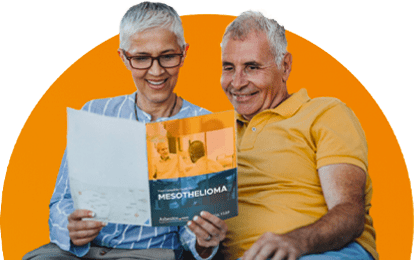
Finding the right mesothelioma support group has proven beneficial to patients and caregivers who are coping with this cancer. Some mesothelioma support groups are led by survivors, doctors and advocates.
Tamron Little: Importance of Joining The Mesothelioma Center's Support Group
There were times that I did feel, oh, you know, I'm in this by myself, because I didn't know anybody. I didn't know that they had any meso support groups, such as the breast cancer support groups or the prostate cancer support groups. But I didn't know of any meso support groups.
So having that support is just what it is support, because you need that. You need somebody that is in your corner that has had it. Because someone that hasn't had it, they can't say I know how you feel, because they don't.
So having someone that you can relate to and you can kind of say, hey, I'm feeling this way. Did you feel that way? And they can say, yeah, I felt that way, do this and that, you know?
So having that connection is so important when you're going through the diagnosis.
Tamron Little: Importance of Joining The Mesothelioma Center's Support Group
There were times that I did feel, oh, you know, I'm in this by myself, because I didn't know anybody. I didn't know that they had any meso support groups, such as the breast cancer support groups or the prostate cancer support groups. But I didn't know of any meso support groups.
So having that support is just what it is support, because you need that. You need somebody that is in your corner that has had it. Because someone that hasn't had it, they can't say I know how you feel, because they don't.
So having someone that you can relate to and you can kind of say, hey, I'm feeling this way. Did you feel that way? And they can say, yeah, I felt that way, do this and that, you know?
So having that connection is so important when you're going through the diagnosis.
How to Join a Mesothelioma Support Group Today
Joining a mesothelioma support group is one of the most effective steps you can take after a diagnosis. These groups connect you with people who understand what you’re going through and can offer real, practical support.
Common Types of Mesothelioma Support
Register for Coping with Mesothelioma: Online Support Group (monthly, virtual or via phone).
After registering, request the toll-free dial-in option for over the phone support.
Join The Mesothelioma Center Facebook Group for daily peer contact.
You’ll connect with a licensed counselor or trained moderators and peers within 24 to 72 hours. Each option is free and designed to meet you where you are.
What “Mesothelioma Support” Means
Mesothelioma support is coordinated emotional, practical and financial help for people with mesothelioma and their caregivers.
Steps for Mesothelioma Support
Join a mesothelioma-specific support group.
Speak with a Patient Advocate at (855) 404-4592.
Ask for assistance with travel, lodging or costs from national programs such as ACS Hope Lodge and Road to Recovery.
Get help today and find Patient Advocates, resources and peer support. Maintaining emotional, mental and financial support is crucial after a mesothelioma diagnosis.
Top Mesothelioma Support Services
Several cancer organizations across the United States offer a range of support services for people with mesothelioma. These services include free lodging for patients and their families while undergoing treatment, support groups and help lines.
The Mesothelioma Center at Asbestos.com conducted an internal survey with U.S. oncology clinicians and found that 27% of clinicians surveyed recommend mental health counseling as the top support service for people with mesothelioma.
Support Service
Preferred Service (%)
Mental health counseling
27%
Palliative or hospice care
23%
Online or in-person support groups
18%
Nutrition support
17%
Travel or financial aid
9%
Legal/compensation resources
5%
Other
2%
Source:
The Mesothelioma Center at Asbestos.com, 2025
Mesothelioma Support Organizations
Various mesothelioma support organizations and resources are available to help patients, caregivers and loved ones throughout their cancer journey. Organizations such as The Mesothelioma Center at Asbestos.com and the Mesothelioma Applied Research Foundation (Meso Foundation) provide free resources, including mesothelioma support groups and online discussion boards.
It’s important to connect with other people and organizations that understand what mesothelioma patients and their families are going through. They can provide resources and support that are tailored to your needs.
The Mesothelioma Center at Asbestos.com
The Mesothelioma Center at Asbestos.com offers support groups, webinars featuring survivors and experts, Patient Advocates and free services for patients and families. Our Patient Advocates help patients find doctors, schedule appointments and access funds for treatment.
They connect patients and families to a variety of other resources that help them cope with the disease. Our Patient Advocates can also help you find clinical trials, file for VA benefits and access Social Security Disability and other support services, all of which are offered for free.
Mesothelioma Applied Research Foundation (Meso Foundation)
The Meso Foundation is a nonprofit organization that hosts support groups for mesothelioma patients, caregivers and their loved ones. Doctors, advocates, researchers and survivors collaborate through this organization to support the mesothelioma community.
International Mesothelioma Interest Group (iMig)
The International Mesothelioma Interest Group is a research group that formed in 1991. It organizes an international conference on mesothelioma research that takes place every two years.
The conference highlights global mesothelioma research. It also provides doctors with the opportunity to learn from others in the field to promote new advances in treatment and early diagnosis.
American Cancer Society (ACS)
The American Cancer Society offers free lodging for eligible patients and their families via its Hope Lodge program, which includes 30 Hope Lodge locations in the U.S. For those traveling where there are no lodge locations, ACS offers assistance via grants and a partnership with Extended Stay America. Rides to treatment are available through its Road to Recovery program, volunteer drivers and grants.
Support and networking opportunities are also available through ACS’s Cancer Survivors Network and Reach to Recovery app and website for breast cancer patients. Affordable wigs, hats, scarves and mastectomy products are also available through its Tender Loving Care program.
Canadian Mesothelioma Foundation
The Canadian Mesothelioma Foundation is a mostly volunteer-run charity dedicated to raising awareness of mesothelioma in Canada. Founded in 2008, the foundation unites patients, families and doctors specializing in mesothelioma to promote better treatment and a search for a cure. The foundation is also engaged in patient advocacy and lobbying for better policies to help mesothelioma patients and prevent future asbestos exposure.
National Cancer Information Center (NCIC)
The National Cancer Information Center has digestible cancer information and a cancer help line available 24/7. It has trained cancer information specialists who answer calls and emails from people with cancer, their caregivers, family members and friends.
The American Cancer Society also helps people find local resources and cancer support groups in their area. You can call the center at 1-800-227-2345.
Asbestos Exposure Helpline: Speak with a Patient Advocate at (855) 404-4592 for mesothelioma-specific help with doctors, benefits and support groups.
FREE MESOTHELIOMA GUIDE
Expert Guidance for Your Mesothelioma Journey
Get answers about treatment, top doctors, and financial support from the nation’s most trusted mesothelioma resource.
There are several types of emotional, financial and mental health support available to those diagnosed with mesothelioma and their caregivers. Developing a mesothelioma support system is important for everyone involved in the cancer journey.
As a patient, feeling overwhelmed, scared and anxious is completely normal and it is important for you to surround yourself with those you love. Building a strong mesothelioma support system can nurture your emotional well-being, lower your stress levels and ease your fear of the unknown. Good and supported mental health is important while navigating mesothelioma treatment and recovery.
If you double as a caregiver and family member, a solid support system is also essential for your well-being. Taking on this new role is difficult, and it’s not something you should do alone. You can build a reliable mesothelioma support network to assist you.
Best Mesothelioma Patient and Caregiver Support Programs: At a Glance
Several programs stand out for their focus on mesothelioma patients and caregivers. Each option offers a different type of support depending on your needs.
Patient and Caregiver Support Programs
ACS Hope Lodge and Road to Recovery: Lodging and transportation assistance.
CanCare 1:1 mentoring: Matches patients and caregivers with trained survivor mentors.
Fisher House: Free lodging for veterans and families near VA and DoD medical centers.
Meso Foundation groups: Separate tracks for patients and caregivers.
The Mesothelioma Center monthly online and phone group: Mesothelioma-specific and counselor-led.
Each of these programs is free to access and designed to meet the unique needs of people with mesothelioma. A Patient Advocate can help you figure out which options best fit your situation and connect you right away.
Emotional Support
Professional help from a mental health professional can help you or your loved one cope with depression and anxiety. These emotions may accompany any life-threatening illness like mesothelioma. Depression isn’t just feeling down or blue. It’s a clinical condition that may require treatment by a professional.
Clinical depression comes with a unique set of symptoms. Among them are mood swings, fatigue, feelings of sadness or emptiness that last for more than a few days, feelings of helplessness or worthlessness and changes in eating and sleeping habits.
Sources of Emotional Support
Grief counseling
Mental health counseling
Mentorship
Mesothelioma support groups
You or your caregiver can find emotional support through online support groups, counseling services and hospice care. Local churches and other places of worship serve as valuable sources of spiritual support, while community centers may offer free or reduced-cost counseling for cancer patients and their family members. Organizations such as the United Way and the American Cancer Society can connect you to emotional support services in your area.
Emotional support may also come from the mesothelioma community. Annual fundraising events and other opportunities raise awareness about mesothelioma and the dangers of asbestos exposure and help raise money for research.
Several organizations help ease the burden of unexpected costs and emotional stress for patients and their families. Those diagnosed with mesothelioma don’t have to face financial burdens alone when undergoing cancer treatment. Ask your support group leader or a Patient Advocate to screen you for grants and travel aid during your next meeting. Resources for mesothelioma financial support include ACS Hope Lodge, ACS Road to Recovery and Fisher House.
Mesothelioma patients usually travel long distances to receive the best care. Organizations such as the Air Charity Network and Corporate Angel Network provide free flights to cancer patients who need air transportation to specialty treatment centers. The American Cancer Society’s Hope Lodge has more than 30 locations across the country. It provides cancer patients and their caregivers with a home away from home when traveling for treatment.
Military veterans with mesothelioma and their family members can stay in one of 86 houses the Fisher House Foundation operates. The nationwide network of homes has provided more than 9 million nights of lodging for veterans since 1990.
People with this rare cancer have options for financial assistance for mesothelioma treatment, including grants, government programs such as Medicare and Social Security, as well as mesothelioma compensation. Veterans diagnosed with mesothelioma are eligible for VA benefits and other forms of financial assistance. In addition to paying for treatment, financial compensation from these programs helps mesothelioma patients cover the costs of medical equipment, home care, travel expenses and end-of-life decisions.
Caregiver and Family Support
Mesothelioma caregivers have unique needs separate from patients that require support to avoid caregiver burnout. Caregivers are the strongest source of support for mesothelioma patients, but it’s essential for caregivers to find their own types of support. Patient Advocates can provide practical caregiving tips and resources to help them through the challenges of caregiving.
Making End-of-Life Decisions: While it’s difficult to approach this subject, it’s essential to plan ahead for end-of-life decisions to ensure your loved one’s wishes are carried out.
Understanding Caregiver Duties: A caregiver’s responsibilities may seem endless, and it’s important to find other people who can help with these tasks.
Grief counseling is also available after a loved one has passed on. Joining support groups or counseling sessions can make a huge difference. When participating in grief counseling sessions, hospice support staff or a licensed counselor can help you set goals and guide you toward achieving them.
Are there caregiver-only mesothelioma support groups?
Yes. The Mesothelioma Center hosts and moderates The Caregiver Facebook Group, and Brigham and Women’s offers a weekly chaplain and social worker-led caregiver group. Many caregivers also use CanCare’s one-to-one mentor matches for additional support.
Mesothelioma Support Groups (Online, Phone, Local)
You can join a mesothelioma-specific group online, by phone or in person. Choose the format that fits your schedule and preferences.
Because mesothelioma is such a rare cancer, it can be valuable for survivors to find people living with the same diagnosis. It’s also beneficial for mesothelioma caregivers to talk with others caring for patients.
Mesothelioma-focused support outlets are available online and over the phone, and general cancer support groups are available in person. It’s helpful to join several support groups to gain access to different sources of support when you need them. You may want an in-person group for when you’re feeling well enough to attend, and an online group for when you aren’t.
Patients and caregivers benefit from easy online access to these groups. You can access support from the comfort of your home, which is helpful for patients who don’t feel well enough to attend an in-person group. Caregivers have telephonic or one-to-one mentoring exclusively available caregivers. These options are free and designed to meet you where you are. Reach out to a Patient Advocate if you need help choosing the right fit.
Links to Peer Mentoring and Caregiver-Only Options
CanCare: CanCare offers information and virtual support groups. It matches people currently facing a cancer diagnosis with a cancer survivor who serves as a supportive mentor.
Cancer Support Community: As one of the largest professionally led nonprofit cancer support networks, Cancer Support Community offers an online “Living Room” where patients and a licensed counselor can participate in discussion boards.
Caregiver Facebook Group: The Mesothelioma Center hosts an online private support group exclusively for caregivers. The group helps family members cope with their role as caregivers and provides support and insights from those dealing with similar issues.
Inspire: Using a series of discussion forums, Inspire offers communities based on specific disease diagnoses and treatment options. The site partners with larger organizations, such as the American Lung Association, to provide related resources in each community discussion.
Share the Care: Share the Care offers caregiver guidebooks, tools and educational information to reduce the stress involved in caring for someone with cancer.
WhatNext: WhatNext provides the Living with Mesothelioma online community, where patients share experiences and get important questions answered.
The Mesothelioma Center Facebook Group is a private Facebook group, which is a safe space where people often post personal stories of day-to-day challenges and milestones. Anyone struggling to cope with a mesothelioma diagnosis is welcome to join this group.
These online groups offer flexible, judgment-free support for every stage of the mesothelioma journey. If you’re not sure where to start, a Patient Advocate can help you find the right fit.
Phone Support Groups
For those who prefer privacy and low-tech access, phone-based mesothelioma groups let you join anonymously and conserve energy on tough days. To call in, request the toll-free dial-in after you register for Coping with Mesothelioma. You’ll receive a call-in number and calendar invite within 1 business day.
Some people prefer to connect over the phone rather than virtually with a camera or in person. This provides an element of privacy that helps people feel safe to express their feelings.
The monthly Coping with Mesothelioma: Online Support Group from Asbestos.com is accessible via phone. Just reach out to us after you register, and we’ll provide you with a toll-free number to call. The MARF Telephonic Group also meets monthly over the phone to support people with mesothelioma.
Local Support Groups
Mesothelioma-specific support groups aren’t easy to find because the disease is rare. Some cancer centers that treat mesothelioma, such as Brigham and Women’s Hospital, offer support groups for people with mesothelioma.
Where to Find Local Groups
American Cancer Society local chapter finder for groups and transport (Hope Lodge, Road to Recovery).
Cancer centers with mesothelioma programs (e.g., Brigham and Women’s Hospital).
Hospital social work department: ask for the “oncology support group schedule.”
Your oncology team or a Patient Advocate can also point you toward local resources in your area. Finding the right group can make a real difference.
Brigham and Women’s Hospital offers a weekly social worker and chaplain-led mesothelioma support group for caregivers and family members. The group meets Wednesdays from 12-1 p.m. in the multipurpose room on the 11th floor of the hospital.
How to Find the Right Support Group
To find support groups in your area, ask your oncology team or our Patient Advocates for resources. Look for a group that suits your needs and schedule.
A group led by a licensed mental health counselor is a plus. The monthly Coping with Mesothelioma: Online Support Group from Asbestos.com offers survivor support and access to mental health and medical experts, including a registered nurse. However, volunteer-led groups with those who have prior experience with mesothelioma can also be good options.
Benefits of Support Groups
Support groups for cancer patients are linked with lower anxiety, less fatigue and pain and greater empowerment. Many mesothelioma survivors credit groups as a key factor in their recovery. What to expect in your first session: 60 to 75 minutes, introductions, moderated discussion and an optional resource share covering travel aid, trial alerts and caregiver tips.
Research shows joining support groups can boost mood and lower anxiety, stress, emotional distress, fatigue and pain. Many mesothelioma support groups also provide new resources that may help outside of meetings.
Some studies have found people in cancer support groups experience higher survival rates and better quality of life. Many mesothelioma survivors have said a strong support system was key to their recovery, improved well-being and feeling empowered in their journey.
A 2022 systematic review published in Psycho‐Oncology analyzed 29 studies on support groups for cancer patients. The review found support groups were linked to patients feeling personally empowered and more willing to take action to improve their situation.
Raising awareness about mesothelioma helps drive research efforts and supports the hope of finding a cure. Several national mesothelioma events and fundraising campaigns take place across the country to spread the word, but every day offers a chance for patients and their families to advocate for research and awareness. Advocacy for awareness and research funding helps those with mesothelioma feel supported and gives hope that a cure will be found.
Mesothelioma Awareness Day
Since 2010, Congress has recognized September 26 as National Mesothelioma Awareness Day. On this day, patients and family members are encouraged to wear blue and share photos and stories on social media about how this cancer has affected their lives.
Miles for Meso
Miles for Meso is an annual fundraiser held in honor of Mesothelioma Awareness Day. Supporters gather in person or virtually to walk or run, showing their support for families facing a tough diagnosis. The money raised goes directly to research for new mesothelioma treatments.
A team from The Mesothelioma Center poses for a group photo after the 2021 Alton Miles for Meso run/walk.
International Symposium on Malignant Pleural Mesothelioma
The Mesothelioma Applied Research Foundation organizes the annual International Symposium on Malignant Pleural Mesothelioma. The conference connects patients and specialists to discuss the newest advances in treatment options.
National Asbestos Awareness Week
National Asbestos Awareness Week occurs each spring and gives patients and families the opportunity to teach others about the dangers of asbestos exposure, the primary cause of mesothelioma. The Asbestos Disease Awareness Organization, the top nonprofit dedicated to banning asbestos in the U.S., hosts the multiday International Asbestos Awareness Conference each year.
Recommended Reading
Your web browser is no longer supported by Microsoft. Update your browser for more security, speed and compatibility.
If you are looking for mesothelioma support, please contact our Patient Advocates at (855) 404-4592
Fact Checked
Our fact-checking process begins with a thorough review of all sources to ensure they are high quality. Then we cross-check the facts with original medical or scientific reports published by those sources, or we validate the facts with reputable news organizations, medical and scientific experts and other health experts. Each page includes all sources for full transparency.
Reviewed
Asbestos.com is the nation’s most trusted mesothelioma resource
The Mesothelioma Center at Asbestos.com has provided patients and their loved ones the most updated and reliable information on mesothelioma and asbestos exposure since 2006.
Our team of Patient Advocates includes a medical doctor, a registered nurse, health services administrators, veterans, VA-accredited Claims Agents, an oncology patient navigator and hospice care expert. Their combined expertise means we help any mesothelioma patient or loved one through every step of their cancer journey.
More than 30 contributors, including mesothelioma doctors, survivors, health care professionals and other experts, have peer-reviewed our website and written unique research-driven articles to ensure you get the highest-quality medical and health information.
About The Mesothelioma Center at Asbestos.com
Assisting mesothelioma patients and their loved ones since 2006.
Helps more than 50% of mesothelioma patients diagnosed annually in the U.S.
A+ rating from the Better Business Bureau.
5-star reviewed mesothelioma and support organization.
My family has only the highest compliment for the assistance and support that we received from The Mesothelioma Center. This is a staff of compassionate and knowledgeable individuals who respect what your family is experiencing and who go the extra mile to make an unfortunate diagnosis less stressful. Information and assistance were provided by The Mesothelioma Center at no cost to our family.
Asbestos.com. "Mesothelioma Support." Last modified September 2, 2026. https://www.asbestos.com/support/.
The Patient Advocates are absolutely amazing and helpful! I am so very pleased with the information and the emotional support that I have received from everyone! When I felt all hope was lost, Amy gave me great information and was so compassionate. I do not feel alone, and I know there is strong support for anyone dealing with this tragic disease. I received a FREE information package, including a recipe book, information on the disease, a toll-free number to contact for assistance, and a book with the answers to 100 questions that are commonly asked. This information alone was worth my time! I read for hours and hours, and just that alone—knowledge—can be a great comfort. To fully understand this disease, to just have the knowledge!!! Thank you all!! Thank you so, so much.
I found out about The Mesothelioma Center while researching peritoneal mesothelioma days after being diagnosed with the malignant cancer. While a lot of the 'Mesothelioma' websites are actually law firms just trying to get your business, theirs is a user-friendly, comprehensive website set up to aid patients, their loved ones, and/or caregivers with all things related to a cancer diagnosis from asbestos exposure. I was soon put in touch with one of their doctors, Snehal Smart, M.D., who immediately sent me a packet of general information, a book on surviving mesothelioma, and offered me assistance in finding doctors, reputable law firms, financial help, support groups, and so much more! The Mesothelioma Center's website is, in my opinion, the best resource for anyone suffering from cancer due to asbestos. Dr. Smart is amazing! She is very knowledgeable and helpful, but she is also a very kind, caring doctor who goes the distance whether she is researching a pertinent topic, making suggestions, providing contacts, or just being a good listener on the other end of the phone. In addition, Dr. Smart referred me to a law firm who is now fighting to get me compensation for the negligence of those defendants whose products exposed me to asbestos and caused my subsequent cancer. Thank you, TMC and Dr. Smart, for helping me determine the best treatment plan for my cancer and being part of my miracle. I am currently cancer-free and back to being a mom to my precious daughter. The Mesothelioma Center, their website, and their staff rock!!
I reached out and talked to Aaron a couple of weeks before my diagnosis of malignant mesothelioma. He was very helpful and gave me a lot of information at that time. I have talked to him several times since and always gotten my questions answered. Aaron is very knowledgeable and has been very helpful and supportive. He also sent me a comprehensive packet of information, including info on nutrition, legal help, and medical resources.
My brother was recently diagnosed with mesothelioma. I began researching it online. The information I received from The Mesothelioma Center is all-inclusive. No need to look anywhere else! The first phone call was with Karen, and she answered all my questions with ease. She also had a calming effect by presenting all the options available for my brother and his family. Thank you!
My Dad was diagnosed with mesothelioma, and thankfully The Mesothelioma Center was the first place I called. Snehal Smart answered the phone immediately and was very helpful. She immediately sent us an information packet and answered questions. She followed up each week to see how things were going and if we had any questions. She also connected us with a lawyer. I highly recommend this Center.
Dana Nolan, MS, LMHC, is a licensed mental health counselor who leads The Mesothelioma Center’s monthly support group. She specializes in working with people affected by cancer. Dana has experience with inpatient and outpatient counseling, and clinical research in the U.S. and Australia. Dana practices in Altamonte Springs, Fla.
Fact-checked and verified content:
Our fact-checking process begins with a thorough review of all sources to ensure they are high quality. Then we cross-check the facts with original medical or scientific reports published by those sources, or we validate the facts with reputable news organizations, medical and scientific experts and other health experts. Each page includes all sources for full transparency.
Please read our editorial guidelines to learn more about our content creation and review process.