The first step in hiring an asbestos abatement company is asking the company about its qualifications, experience and approach. Reputable companies won’t hesitate to provide key information upfront. The right asbestos abatement company helps protect you, your property and anyone who enters the space after work is complete.
Steps for Hiring an Asbestos Abatement Company
Confirm the company’s state license and EPA/OSHA-compliant training for supervisors and workers.
Get 2 to 3 written bids with a site-specific abatement plan and containment description.
Verify active general liability, pollution liability and workers’ compensation insurance.
Require independent third-party clearance testing and a final report with lab results.
Ask for waste chain-of-custody and disposal documentation before work begins.
Hiring an asbestos abatement company and not doing it yourself is the wisest and safest decision when it comes to removing asbestos from any residential, commercial or public building. Licensed professionals will properly test for the toxic mineral, follow strict regulations and have the right abatement removal equipment to keep them, others and you safe from asbestos exposure.
Too many times with asbestos, the hazards are underestimated. If there is going to be what I call a ‘dusty operation’ (sanding, sawing or breaking materials) in an older home or building, you don’t want to do that without having it checked [for asbestos] first. And leave abatement to the professionals.
Abatement vs. Remediation vs. Mitigation: What’s the Difference?
These terms often get used interchangeably, but they don’t mean the same thing. Misreading them can lead to agreeing to a scope of work that doesn’t fully address the problem.
Key Terms to Know
Abatement: Permanently removes or securely contains asbestos-containing materials to eliminate exposure risk.
Mitigation: Reduces immediate risk during work, for example, through temporary controls and containment, until permanent abatement occurs.
Remediation: Corrects a contamination issue and verifies the area is safe through inspection and testing.
Before signing a contract, confirm which approach the bid covers and whether it matches what the inspection findings actually require. A proposal that calls for mitigation when full abatement is warranted may be cheaper upfront but leaves the problem unresolved. The certified inspector’s report, not the contractor’s preference, should determine the scope of work.
A qualified contractor will answer all of your questions directly and in writing if asked. Vague responses or resistance to providing documentation are legitimate reasons to walk away and contact another company to remove the asbestos in your home.
10 Questions to Ask Every Asbestos Abatement Contractor
Are you licensed for Class I, II or III asbestos work in my state?
Will an EPA-accredited supervisor be on site at all times?
Who performs post-abatement clearance testing? Is it an independent inspector?
What containment methods and negative air machines with HEPA filtration will you use?
How will you protect adjacent areas and HVAC systems?
Can you provide a sample final report with lab results?
What insurance do you carry: general liability, pollution liability and workers’ compensation?
How will asbestos-containing waste be packaged, labeled, transported and documented?
What is the project schedule and how will updates be communicated?
What happens if additional suspect materials are discovered during the job?
Not every asbestos contractor operates at the same standard. Licensing requirements vary by state, and some companies subcontract work to crews without proper accreditation. Before signing anything, verify that the company meets federal and state requirements and has the experience to handle the job correctly.
Asbestos Work Classifications
Class I: Removal of thermal system insulation and surfacing asbestos-containing materials, the highest-risk category requiring the most stringent controls.
Class II: Removal of nonthermal materials such as floor tile, wallboard, roofing and siding shingles and construction mastics.
Class III: Repair and maintenance of asbestos-containing materials that may be disturbed, the most common type of work in occupied buildings.
Asbestos Abatement Process Timeline: What to Expect
Every asbestos abatement project follows a clear sequence of steps, and each one has regulatory requirements attached to it. A licensed contractor will walk you through the full scope before work begins and provide documentation at every stage.
5 Stages of the Abatement Process
Inspection and sampling: A certified asbestos inspector collects samples of suspected materials and sends them to an accredited laboratory. Results determine the extent of the problem and inform the abatement plan.
Written abatement plan and competitive bid: The plan specifies whether materials will be removed, repaired or encapsulated and outlines the full scope of work. Get bids from at least two licensed contractors before signing anything.
Containment setup: Workers disable HVAC and electrical systems, install decontamination enclosures and seal openings with plastic sheeting and duct tape. Negative air pressure units with HEPA filtration keep contaminated air from escaping the work area.
Removal, repair or encapsulation: Contractors wet wipe or HEPA vacuum non-movable objects before work begins to prevent fibers from becoming airborne. Warning signs are posted and all work follows the specifications in the abatement plan.
Waste disposal and clearance: Workers seal asbestos-containing waste in leak-tight containers while still wet, label them clearly and hand off to certified haulers for transport to qualified landfills. An independent inspector then completes visual inspection and air sampling before the area is cleared for re-entry.
Skipping or shortcutting any stage, from initial inspection through final waste disposal, creates asbestos liability for the property owner and risk for everyone in the building. Your contractor should provide a written schedule before work begins and a complete final report when the job is done.
Clearance Testing & Documentation
Clearance testing, the final stage of every abatement project, requires an independent inspector rather than the contractor who did the work. The inspector completes a visual examination and air sampling to confirm the area meets acceptable clearance levels before anyone re-enters the space.
What Your Final Report Should Include
Copies of waste manifests and chain-of-custody documentation
Inspection summary
Laboratory results
Photographs of the work area and repairs
Keep the final report for real estate disclosures, insurance and future renovations. A reputable asbestos abatement company provides this report as a standard part of the job, not as an add-on.
Common Asbestos Abatement Equipment
Certified asbestos abatement contractors use specialized equipment to protect workers and prevent dangerous fibers from spreading. There are several safety tools you may see at the job site.
7 Tools Used in Asbestos Abatement
Disposable coveralls: Keep fibers off clothing and workers discard them after use.
Disposable gloves: Prevent skin contact and cross-contamination.
Eye protection: Shields eyes from dust and debris.
HEPA vacuum: Captures microscopic fibers during cleanup and final detailing.
Negative air machine with HEPA: Maintains inward airflow so fibers don’t escape the containment area.
Respirator: Protects workers from inhaling airborne fibers inside containment.
Rubber boots: Provide slip protection and workers can decontaminate them after use.
Each piece of equipment plays a specific role in keeping the work area safe. If a contractor arrives without this gear, that’s a serious red flag.
HEPA VACUUM
RESPIRATOR
EYEWEAR
DISPOSABLE GLOVES
DISPOSABLE COVERALLS
RUBBER BOOTS
Asbestos Abatement Costs
Asbestos abatement costs vary widely depending on the size and complexity of the project, the type of materials being removed and the regulatory requirements that apply. Federal regulations governing the process, required protective measures and proper disposal all contribute to the overall price.
Factors That Affect Abatement Costs
Access and complexity of containment
Distance to approved disposal facilities
Material type, for example, floor tile vs. pipe insulation
Project size and square footage
Required air monitoring and clearance testing
Whether encapsulation is acceptable for specific materials
Getting 2 to 3 written bids gives you a realistic sense of the cost range for your project. Each bid should cover the same scope, including: containment type, negative air CFM and quantity, number and type of air samples, protection of adjacent spaces and HVAC systems, disposal site and documentation, final report deliverables and project schedule. A bid that leaves out any of these details isn’t a complete bid and makes accurate comparison impossible.
There are so many factors involved, but abatement can range from a few hundred dollars to a few thousand dollars. And if it’s a certain type of material, it can be tens of thousands of dollars.
Evaluating Your Bids
A complete bid reflects a contractor who understands the full regulatory scope of the job and isn’t cutting corners on safety or documentation. Unusually low bids often signal that containment, negative air machines, decontamination units or clearance testing have been left out of the scope entirely.
What a complete bid includes
What it means if it’s missing
Containment type and negative air CFM
Fiber release into adjacent spaces is likely
Number and type of air samples
Clearance standards may not be met
Protection of adjacent spaces and HVAC
Cross-contamination risk is unaddressed
Disposal site and waste documentation
Legal liability shifts to the property owner
Independent clearance testing
No verification the job was done correctly
Final report with lab results
No documentation for insurance or disclosure
Project schedule
No accountability for timeline or access
Why Is Asbestos Abatement Important?
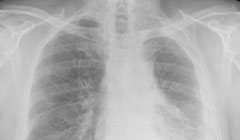
If damaged asbestos-containing materials aren’t properly removed, they can endanger you and anyone who comes into contact with it. Asbestos is dangerous because it’s a known carcinogen, and inhaling or ingesting it is linked to mesothelioma, lung cancer, asbestosis and other asbestos-related diseases.
Asbestos was widely used throughout the 1930s to 1980s. While the EPA’s 2024 chrysotile asbestos ban has significantly increased restrictions on its use, asbestos still isn’t fully banned in the U.S. Legacy asbestos in older buildings, homes, schools and equipment continue to pose a risk to the public.
You have to live with the legacy of the past, and the legacy here is all the asbestos is still in place. This epidemic is not going to end anytime soon.
Fast Facts About Asbestos
Inhaling or ingesting asbestos can lead to serious health issues such as mesothelioma cancer, asbestos lung cancer, pleural plaques and asbestosis.
About 3,000 people are diagnosed with mesothelioma annually in the U.S. An estimated 10,000 people die each year from an asbestos-related disease.
Microscopic asbestos fibers are .01 microns thick (18,000 times thinner than a human hair).
Common Asbestos-Containing Materials in Buildings
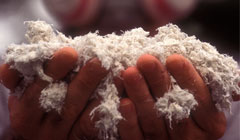
Because asbestos doesn’t burn, it was used in many products to resist heat. The “miracle mineral” made these asbestos-containing materials valuable to the building industry. According to the U.S. Consumer Product Safety Commission, homes built before the 1980s may harbor asbestos-containing building materials.
Roof Shingles & Siding
Vermiculite Insulation, Ceiling Tiles & Coatings
Popcorn Ceilings
Drywall & Cement Sheets
Plaster, Putties & Caulking
Electrical Switchboard Panels
Plumbing Fixtures
Pipe & Duct Coverings
Thermal Boiler & Fireplace Insulations
Vinyl Floor Tiles
30% of Patients Wait too Long to FileAct Now. File Your Asbestos Claim Today.
Your web browser is no longer supported by Microsoft. Update your browser for more security, speed and compatibility.
If you are looking for mesothelioma support, please contact our Patient Advocates at (855) 404-4592
Fact Checked
Our fact-checking process begins with a thorough review of all sources to ensure they are high quality. Then we cross-check the facts with original medical or scientific reports published by those sources, or we validate the facts with reputable news organizations, medical and scientific experts and other health experts. Each page includes all sources for full transparency.
Reviewed
Asbestos.com is the nation’s most trusted mesothelioma resource
The Mesothelioma Center at Asbestos.com has provided patients and their loved ones the most updated and reliable information on mesothelioma and asbestos exposure since 2006.
Our team of Patient Advocates includes a medical doctor, a registered nurse, health services administrators, veterans, VA-accredited Claims Agents, an oncology patient navigator and hospice care expert. Their combined expertise means we help any mesothelioma patient or loved one through every step of their cancer journey.
More than 30 contributors, including mesothelioma doctors, survivors, health care professionals and other experts, have peer-reviewed our website and written unique research-driven articles to ensure you get the highest-quality medical and health information.
About The Mesothelioma Center at Asbestos.com
Assisting mesothelioma patients and their loved ones since 2006.
Helps more than 50% of mesothelioma patients diagnosed annually in the U.S.
A+ rating from the Better Business Bureau.
5-star reviewed mesothelioma and support organization.
My family has only the highest compliment for the assistance and support that we received from The Mesothelioma Center. This is a staff of compassionate and knowledgeable individuals who respect what your family is experiencing and who go the extra mile to make an unfortunate diagnosis less stressful. Information and assistance were provided by The Mesothelioma Center at no cost to our family.
Povtak, T. (2026, August 19). Your Guide to Hiring an Asbestos Abatement Company. Asbestos.com. Retrieved October 26, 2026, from https://www.asbestos.com/abatement-guide/
MLA
Povtak, Tim. "Your Guide to Hiring an Asbestos Abatement Company." Asbestos.com, 19 Aug 2026, https://www.asbestos.com/abatement-guide/.
Chicago
Povtak, Tim. "Your Guide to Hiring an Asbestos Abatement Company." Asbestos.com. Last modified August 19, 2026. https://www.asbestos.com/abatement-guide/.
Travis Rodgers is an Emmy-nominated journalist with more than two decades of experience in television news. He held many roles in broadcasting, but spent most of his time as a producer crafting live newscasts for multiple network affiliates. Travis now brings his many years of writing experience to Asbestos.com.
Fact-checked and verified content:
Our fact-checking process begins with a thorough review of all sources to ensure they are high quality. Then we cross-check the facts with original medical or scientific reports published by those sources, or we validate the facts with reputable news organizations, medical and scientific experts and other health experts. Each page includes all sources for full transparency.
Please read our editorial guidelines to learn more about our content creation and review process.