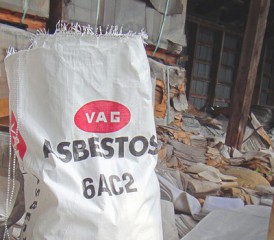
Australia has the second-highest mesothelioma death rate in the world, trailing only the United Kingdom. From the 1950s to the 1970s, the country had the highest per capita rate of asbestos use in the world.
Learn more about mesothelioma, asbestos and the steps you can take to fight this disease.
Australia has one of the world’s highest measured rates of mesothelioma. More than 700 people die of the disease each year. Different medical models point to a peak in deaths from mesothelioma between 2014 and 2021.
A 2021 research study said almost all mesothelioma cases are asbestos-related. It cited the Australian Faculty of Occupational Medicine guide on Occupational Cancer. It reported asbestos levels close to background levels in urban environments cause mesothelioma.
722
The number Australians diagnosed with mesothelioma in 2021, the most recent public accounting of the disease.
The demographics of Australian mesothelioma patients are consistent with the rest of the world. Approximately 80% were men. The average age was 75 years old.
The Australian Mesothelioma Registry keeps a register of mesothelioma patients. It collects exposure information and distributes annual reports about its findings. The Cancer Institute of New South Wales manages the register.
Asbestos Exposure in Australia
Australia’s high incidence of mesothelioma corresponds with its asbestos use. It had the highest per capita rate of asbestos use in the world from the 1950s to the 1970s. The country is one of the world’s three regions with the highest mesothelioma incidence rates.
The Australian Mesothelioma Register monitors asbestos exposure among trades. Occupations at risk include asbestos mining and jobs that produce a lot of dust. Examples include sawing, sanding, drilling, grinding or handling asbestos-contaminated materials. Carpenters, boiler, power plant, railway, and naval workers faced high risk.
Australia’s National Dataset for Compensation Based Statistics tracks legal claims. Workers who filed the most compensation claims between 2005 and 2008. They included carpenters, electricians, power plant workers, plumbers, metal workers and telecommunication workers.
Despite the bans on asbestos in Australia, residents remain at risk for mesothelioma. Older construction in residential and commercial buildings remains a risk. Older structures contain asbestos cement and other asbestos products. Demolition of any structures built before the asbestos bans is particularly dangerous. Renovation or remodeling projects remain risky in older homes.
Asbestos Exposure in Australian Schools
In November 2023, the Australian Competition & Consumer Commission issued a recall notice for children’s colored sand products after lab testing detected tremolite asbestos in some samples. Tremolite is one of the six types of asbestos, and it’s more carcinogenic than other types but less than crocidolite asbestos.
The recall led to dozens of schools and preschools shutting down entirely or temporarily across Australia and New Zealand. Officials said asbestos professionals would evaluate the schools for possible asbestos contamination.
Although ACCC officials said there was “low” risk of inhaling asbestos, the regulator confirmed it “may still pose a risk.” New Zealand’s Ministry of Business, Innovation and Employment also recommended consumers stop using the sand and dispose of it using licensed professionals. There is no safe level of exposure to asbestos.
Recall documents from MBIE reported that the affected products are “EC Rainbow Sand (1.3kg) and Creatistics – Coloured Sand (1kg), which have been sold in New Zealand through retailers including Paper Plus, Hobby Land, NZ School Shop, Office Products Depot, Discount Office, Acquire, and Qizzle. Some online retailers may also have supplied this product.”
The contaminated products were imported from China and sold throughout Australia between 2020 and 2025. China is among the largest consumers and importers of asbestos.
Occupational Asbestos Exposure
Jobs in asbestos mining created the greatest risk for asbestos exposure in Australia. Construction work and product manufacturing jobs also presented a significant risk. Construction companies used asbestos after other countries banned it. For example, amosite (brown) asbestos use continued well into the 1980s. Products such as cement board contained it. Asbestos was still used in friction materials and gasket products in December 2003.
James Hardie Industries led the Australian asbestos market during the 20th century. It manufactured building and insulation products. It mined, distributed and manufactured asbestos products. James Hardie Industries owned asbestos mines in Australia, Canada and Zimbabwe.
Hardie executives knew of the risks associated with asbestos exposure, but never warned workers about the dangers. Wastes from the Hardie plants went throughout the community for use in playgrounds, driveways and park paths. It used to make “Hessian” (burlap) bags that carried fruit and vegetables. The injuries from exposure to asbestos in James Hardie plants and mines are almost immeasurable.
James Hardie Industries began mining white asbestos in the small Aboriginal Australian community of Baryulgil in 1953. The company offered full-time jobs to residents…
Parts of Australia were asbestos mining hubs. Crocidolite (blue) asbestos is one of the most toxic types of asbestos. The Western Australian town of Wittenoom mined it from the 1930s until 1966. Australia finally started regulating asbestos products in the late 1970s. It banned the use of crocidolite (blue) asbestos in 1967. The use of amosite (brown) asbestos continued until the mid-1980s. The ban on chrysotile (white) asbestos finally came about 20 years later, at the end of 2003.
Survivor Experience
When Brian was diagnosed with mesothelioma, caused by his asbestos exposure in Wittenoom, my first reaction was shock, then denial. His illness came 45 years after leaving the town. Since then, he had remained fit and healthy. It’s unbelievable the asbestos he had inhaled four decades ago suddenly became lethal.
Lorraine Kember, Caregiver Advocate at The Mesothelioma Center at Asbestos.com
Verified Asbestos.com Survivor
In February 2019, Indigenous elders asked the Australian government to clean up Wittenoom. Aboriginal families living in the area have among the highest mortality rates of mesothelioma in the world. Rain and erosion have displaced asbestos waste into creeks that flow into the Fortescue River. The government said they are “working through this complex issue to provide certainty to the community. We will continue to engage in discussions with the community and relevant stakeholders.”
Asbestos was also mined from the Woodsreef mine, located near the township of Barraba in New South Wales. Abandoned by its operators in the 1980s, approximately 25 million tons of asbestos waste remained at the mining site. Asbestos fibers were visible. More than 25 years after mining operations ceased, the Woodsreef mine continues to leave a legacy of asbestos exposure.
Who Is at Risk in Australia?
Australian workers in certain trades are more at risk of mesothelioma than the general population. A lower level of risk exists for many residents because of the widespread use of asbestos products in Australian homes.
Australians at Risk of Mesothelioma
Construction
Carpentry
Plumbing
Electrical engineering
Insulation workers
Shipbuilding
Construction workers and carpenters remain at risk of asbestos exposure. A study of 600 mesothelioma patients in the UK and Australia showed that 1 in 10 retired carpenters born before 1950 would die of asbestos-related cancer.
According to Australia’s Asbestos Safety and Eradication Agency, a third of all homes in the country contain asbestos. Homes built before the mid-’80s likely contain asbestos. Those built between the mid-’80s and 1990 likely contain some asbestos products. Homes built after 1990 are unlikely to contain asbestos materials. Products inside homes that may contain asbestos include flooring, wall sheeting, plumbing, electrical, putty and glues. Materials on or around homes that contain asbestos include roofing, guttering and fencing.
FREE MESOTHELIOMA GUIDE
Expert Guidance for Your Mesothelioma Journey
Get answers about treatment, top doctors, and financial support from the nation’s most trusted mesothelioma resource.
The largest number of Australians who died of mesothelioma lived in New South Wales. That was the first state in the country to mine asbestos, and it produced the largest amount of chrysotile and amphibole asbestos. The incidence of the disease in this state nearly doubled in the 20 years between 1987 and 2006. Interestingly, the rate among females in New South Wales tripled during that time as well. Many cases were attributed to secondhand asbestos exposure.
Many of the miners and residents of Wittenoom suffered severe lung problems. Of the 7,000 individuals who worked at the Wittenoom mine from the 1930s until 1966, an estimated 10% have died or will die of mesothelioma. The Western Australian Department of Planning, Lands and Heritage says unauthorized visits to Wittenoom can lead to prosecution. The Wittenoom Closure Bill became law in March 2022. The town was razed that year.
Other states with high rates of mesothelioma deaths include Victoria, Queensland, Western Australia, South Australia and Tasmania. The rankings tend to reflect the size and population of the states as well as the presence of natural asbestos or asbestos mines.
Other Australians at risk include those employed by James Hardie Industries. It built plants in New South Wales, South Australia, Victoria, Queensland and Western Australia. An estimated 50% of the asbestos claims filed in any given year are against James Hardie.
Treatment Centers for Mesothelioma in Australia
Because of the growing number of mesothelioma diagnoses, Australia has placed more emphasis on offering quality treatment. New research facilities like the Bernie Banton Centre at Concord Hospital in Sydney are solely dedicated to mesothelioma research.
Hospitals offer treatment for mesothelioma cancer throughout Australia. Mesothelioma specialists at these centers work with a multidisciplinary team to offer excellent care. For example, surgeons coordinate with medical oncologists and radiologists to provide multimodal therapy.
The Bernie Banton Centre at Concord Hospital is the world’s first stand-alone research facility dedicated to the treatment and prevention of asbestos-related diseases. Located in Sydney, New South Wales, the facility houses the Asbestos Disease Research Institute.
The Sir Charles Gairdner Hospital is a large teaching hospital in Perth, Western Australia. It offers experimental immunotherapy treatments for mesothelioma. Sir Charles Gairdner has the only designated comprehensive cancer treatment center in Western Australia, with an impressive staff of oncologists and thoracic surgeons.
Located in Melbourne, Victoria, the Peter MacCallum Cancer Centre is the only public hospital solely dedicated to cancer treatment, research and education. Peter MacCallum, also known as Peter Mac, boasts the largest cancer research group in the country.
Clinical Trials
Several research organizations and facilities in Australia offer participation in clinical trials related to the search for better treatments and new drugs in the fight against mesothelioma.
Pharmaceutical companies and biotechnology companies are typically the sponsors for these clinical trials. A list of open trials can be found online through these organizations.
For example, one Australian clinical trial has investigated the value of the immunotherapy drug tremelimumab for people with mesothelioma who had a relapse after chemotherapy or who didn’t qualify for surgery. This antibody stimulates a patient’s immune system in ways that help it attack cancer.
Australian Compensation Related to Mesothelioma
Different acts and laws affect how mesothelioma compensation is awarded in Australia. These laws define who qualifies for compensation and describe the legal concepts used to evaluate negligence and liability.
Australian Laws Impacting Mesothelioma Compensation
Bernie Banton Law: The 2008 Bernie Banton Law allows citizens of Victoria to seek compensation if diagnosed with asbestosis. It is a progressive lung disease caused by exposure to asbestos fibers. Individuals may seek more compensation at a later date should their health problems develop into mesothelioma.
Causation: Plaintiffs must prove that any negligent exposure to asbestos caused the development of their disease. To what extent one has been exposed has long been an issue in Australian courts, and the argument is bound to continue, experts say.
Fatal Accidents Act: For families of individuals who have died from mesothelioma, the Fatal Accidents Amendment Act of 2008 grants compensation to both victims and their surviving family members. Damages are awarded for pain, suffering and loss of enjoyment of life.
Foreseeability: The law of foreseeability states that a company or defendant “may not be liable for a disease or injury caused to a person unless the disease was ‘foreseeable’ in the event that a duty was breached.” This law is particularly relevant in cases involving low-level exposure, as with individuals who did not encounter asbestos on the job but, rather, through secondhand exposure or exposure in the home. Defendants can argue that the plaintiff’s minimal exposure could not have created “a reasonably foreseeable risk of injury.”
Wrongs Act: The Wrongs Act of 1958 granted full compensation for loss of income to anyone who was sickened due to exposure to asbestos on the job. But the law did not give the same rights to those individuals who were exposed to asbestos in non-occupational settings. In 2006, a new amendment granted compensation to individuals exposed through the environment or secondhand exposure.
In 2001, James Hardie Industries established the Medical Research and Compensation Foundation. It contains $293 million in funds to assist victims of asbestos exposure. Executives assured the public that the funding was sufficient for all future asbestos claims. The company then relocated to the Netherlands and announced in 2003 that the fund was “grossly under-funded.” Australian officials say James Hardie faces $1.87 billion in payouts over the next 30 years because of a 20% spike in mesothelioma claims in 2013.
Australia’s Regulations to Prevent Exposure
Safe Work Australia is the nation’s governing body that oversees the proper handling of asbestos in the workplace. Australia’s Work Health and Safety Regulations act sets laws for the management of asbestos in workplaces, including the handling and removal of asbestos. It also covers the training of asbestos workers and licensing requirements of abatement professionals.
Safe Work Australia created a Code of Practice on the management and control of asbestos in the workplace to protect workers. The aim is to codify protections for Australians from exposure to asbestos on the job. This can help reduce the rate of mesothelioma in Australia.
Australia’s safety code provides guidance on how to respond to asbestos exposure threats. It contains information on identifying asbestos materials, how to report asbestos in Australia and how to manage the risk of exposure in a job setting.
Recommended Reading
Your web browser is no longer supported by Microsoft. Update your browser for more security, speed and compatibility.
If you are looking for mesothelioma support, please contact our Patient Advocates at (855) 404-4592
Fact Checked
Our fact-checking process begins with a thorough review of all sources to ensure they are high quality. Then we cross-check the facts with original medical or scientific reports published by those sources, or we validate the facts with reputable news organizations, medical and scientific experts and other health experts. Each page includes all sources for full transparency.
Reviewed
Asbestos.com is the nation’s most trusted mesothelioma resource
The Mesothelioma Center at Asbestos.com has provided patients and their loved ones the most updated and reliable information on mesothelioma and asbestos exposure since 2006.
Our team of Patient Advocates includes a medical doctor, a registered nurse, health services administrators, veterans, VA-accredited Claims Agents, an oncology patient navigator and hospice care expert. Their combined expertise means we help any mesothelioma patient or loved one through every step of their cancer journey.
More than 30 contributors, including mesothelioma doctors, survivors, health care professionals and other experts, have peer-reviewed our website and written unique research-driven articles to ensure you get the highest-quality medical and health information.
About The Mesothelioma Center at Asbestos.com
Assisting mesothelioma patients and their loved ones since 2006.
Helps more than 50% of mesothelioma patients diagnosed annually in the U.S.
A+ rating from the Better Business Bureau.
5-star reviewed mesothelioma and support organization.
My family has only the highest compliment for the assistance and support that we received from The Mesothelioma Center. This is a staff of compassionate and knowledgeable individuals who respect what your family is experiencing and who go the extra mile to make an unfortunate diagnosis less stressful. Information and assistance were provided by The Mesothelioma Center at no cost to our family.
Selby, K. (2026, February 13). Mesothelioma in Australia. Asbestos.com. Retrieved October 15, 2026, from https://www.asbestos.com/mesothelioma/australia/
MLA
Selby, Karen. "Mesothelioma in Australia." Asbestos.com, 13 Feb 2026, https://www.asbestos.com/mesothelioma/australia/.
Chicago
Selby, Karen. "Mesothelioma in Australia." Asbestos.com. Last modified February 13, 2026. https://www.asbestos.com/mesothelioma/australia/.
The Patient Advocates are absolutely amazing and helpful! I am so very pleased with the information and the emotional support that I have received from everyone! When I felt all hope was lost, Amy gave me great information and was so compassionate. I do not feel alone, and I know there is strong support for anyone dealing with this tragic disease. I received a FREE information package, including a recipe book, information on the disease, a toll-free number to contact for assistance, and a book with the answers to 100 questions that are commonly asked. This information alone was worth my time! I read for hours and hours, and just that alone—knowledge—can be a great comfort. To fully understand this disease, to just have the knowledge!!! Thank you all!! Thank you so, so much.
I found out about The Mesothelioma Center while researching peritoneal mesothelioma days after being diagnosed with the malignant cancer. While a lot of the 'Mesothelioma' websites are actually law firms just trying to get your business, theirs is a user-friendly, comprehensive website set up to aid patients, their loved ones, and/or caregivers with all things related to a cancer diagnosis from asbestos exposure. I was soon put in touch with one of their doctors, Snehal Smart, M.D., who immediately sent me a packet of general information, a book on surviving mesothelioma, and offered me assistance in finding doctors, reputable law firms, financial help, support groups, and so much more! The Mesothelioma Center's website is, in my opinion, the best resource for anyone suffering from cancer due to asbestos. Dr. Smart is amazing! She is very knowledgeable and helpful, but she is also a very kind, caring doctor who goes the distance whether she is researching a pertinent topic, making suggestions, providing contacts, or just being a good listener on the other end of the phone. In addition, Dr. Smart referred me to a law firm who is now fighting to get me compensation for the negligence of those defendants whose products exposed me to asbestos and caused my subsequent cancer. Thank you, TMC and Dr. Smart, for helping me determine the best treatment plan for my cancer and being part of my miracle. I am currently cancer-free and back to being a mom to my precious daughter. The Mesothelioma Center, their website, and their staff rock!!
I reached out and talked to Aaron a couple of weeks before my diagnosis of malignant mesothelioma. He was very helpful and gave me a lot of information at that time. I have talked to him several times since and always gotten my questions answered. Aaron is very knowledgeable and has been very helpful and supportive. He also sent me a comprehensive packet of information, including info on nutrition, legal help, and medical resources.
My brother was recently diagnosed with mesothelioma. I began researching it online. The information I received from The Mesothelioma Center is all-inclusive. No need to look anywhere else! The first phone call was with Karen, and she answered all my questions with ease. She also had a calming effect by presenting all the options available for my brother and his family. Thank you!
My Dad was diagnosed with mesothelioma, and thankfully The Mesothelioma Center was the first place I called. Snehal Smart answered the phone immediately and was very helpful. She immediately sent us an information packet and answered questions. She followed up each week to see how things were going and if we had any questions. She also connected us with a lawyer. I highly recommend this Center.
An occupational scientist or another expert who specializes in occupational hazards reviewed the content on this page to ensure it meets current scientific standards and accuracy.
Arti Shukla, Ph.D., is an internationally renowned asbestos researcher known for her achievements in identifying biomarkers that cause mesothelioma. She is the director of the Shukla Research Lab, as well as a professor of pathology at The University of Vermont Larner College of Medicine.
Fact-checked and verified content:
Our fact-checking process begins with a thorough review of all sources to ensure they are high quality. Then we cross-check the facts with original medical or scientific reports published by those sources, or we validate the facts with reputable news organizations, medical and scientific experts and other health experts. Each page includes all sources for full transparency.
Please read our editorial guidelines to learn more about our content creation and review process.