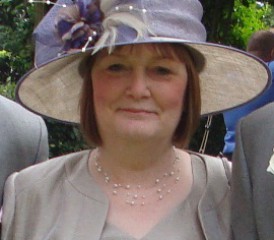
Movement and Positive Thinking Help Toni S. Keep Looking Ahead

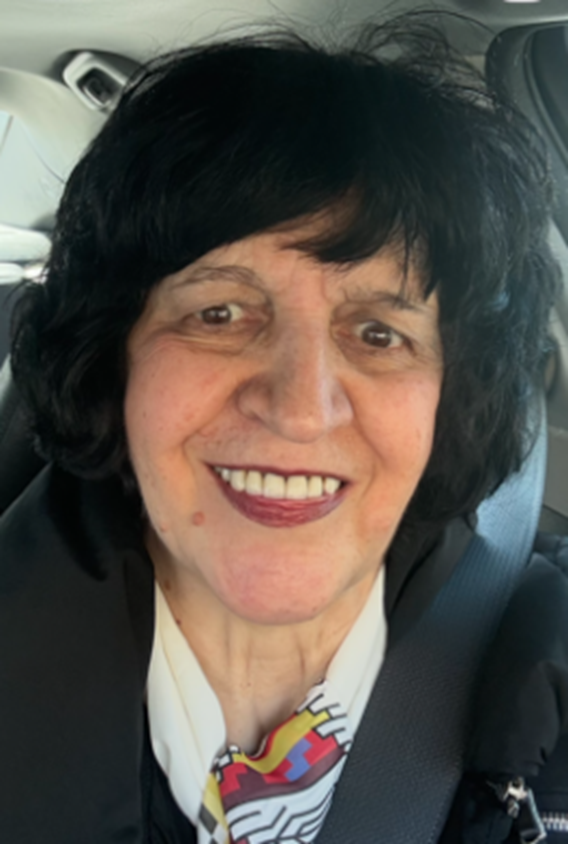


Staying active has become an important part of Toni S.’s approach to pleural mesothelioma treatment. She says she prefers to focus on what she can still do rather than what mesothelioma has changed.
Toni’s story with pleural mesothelioma, from her diagnosis through treatment, is one she has also shared with us. But cancer is far from the whole story she wanted to tell. She walks, practices yoga, rides an indoor bike and uses a treadmill and stair stepper at home. She also loves Bulgarian folk dancing, singing and driving her car with no particular destination when she wants to relax.
“I feel very good. I feel strong,” Toni tells us. Staying active has become an important part of her approach to living with mesothelioma. She adds, “The very important thing is that I have positive thinking all the time.”
Originally from Bulgaria, Toni remains deeply connected to her heritage. She joined the Bulgarian folk dance group Horo Chicago in 2010. For Toni and other Bulgarian immigrants, the group offers more than exercise. It’s a way to preserve their culture and traditions in the United States.
Dancing is one of several activities Toni loves. She also enjoys singing and spent several years singing in a Jewish choir. She sang with the choir from 2012 to 2017.
Movement Is Key to Toni’s Routine
Toni, now 73, practiced yoga for more than 20 years before her mesothelioma diagnosis. She’s continued exercising throughout treatment, adjusting her routine based on how she feels.
At home, Toni may start with several minutes on the stair stepper or indoor bike before moving to yoga, stretching and light weight training. She wants to rebuild some of the muscle she feels she has lost since her diagnosis.
“I try to do my best to get back to normal the way I was,” Toni explained. She also knows when to be careful.
Toni avoids lifting very heavy objects after hurting her back while moving a large package. Chemo sometimes leaves her more tired several days after an infusion, so she adjusts her activity rather than expecting every day to feel the same.
Her goal isn’t to ignore what her body is telling her. It’s to keep moving when she feels able.
Her Son Became Her Biggest Helper
Toni’s son has been beside her through some of the most difficult parts of her mesothelioma treatment. She says he’d encourage her, “Mom, go walk, go walk.” Some days, treatment leaves her tired, but his encouragement motivates her to get up and move.
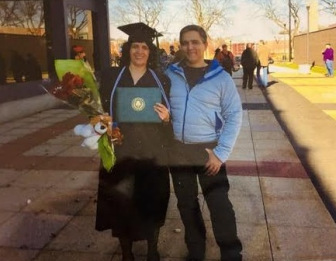
When doctors placed a catheter to manage her recurring pleural effusion, her son learned how to drain the fluid at home. The process can be painful, particularly when pressure would build in Toni’s chest.
Her son learned when to stop and start the drainage to make her more comfortable. “He did a perfect job,” Toni shares. “He was a big help.”
Finding Support Through Other Survivors
While searching for information about mesothelioma, Toni found The Mesothelioma Center at Asbestos.com and connected with Patient Advocate and Registered Nurse Karen Selby. Karen began sending Toni information about mesothelioma and survivor experiences.
She also helped Toni connect with an online support group where mesothelioma survivors could talk with one another. “I learned a lot from other people when I participated in this session,” Toni notes.
Karen and Toni stayed in touch as she continued treatment. She recalls reaching out to Karen to share good news.
“Karen, do you know my PET scan is perfect?” Toni remembers telling her. Karen later encouraged Toni to share her story with others.
Using Visualization to Stay Focused
Another practice important to Toni is visualization. Before scans and other important medical appointments, she sometimes closes her eyes and pictures each part of what is about to happen.
She imagines arriving at the hospital, getting ready for the scan, completing the test and receiving positive results. “It helps me,” Toni emphasizes.
She compares the practice with meditation, although she considers them somewhat different. Toni also meditates and uses yoga to relax her body.
For her, visualization provides a way to mentally prepare for stressful moments. It doesn’t replace the treatment she receives from her doctors. Instead, it helps her focus on the outcome she hopes to reach.
A Lifelong Love of Learning
Toni also considers herself someone who loves to learn. She earned a bachelor’s degree in business administration and pursued another degree in cybersecurity. She completed most of the program before financial circumstances prevented her from finishing the final few classes.
She believes education taught her how to plan, manage problems and set goals. Now she applies the same outlook to her health. She describes pleural mesothelioma almost like a case she needs to understand, organize and work through one step at a time.
Her Advice Is to Keep Going
Toni knows her experience can’t predict what treatment will be like for someone else. Mesothelioma affects people differently, and treatment decisions depend on each person’s diagnosis and health.
Still, Toni believes there’s value in sharing what has helped her emotionally. “I know it’s hard,” Toni stresses. “I’m not saying it’s easy. But you have to push yourself. You have to push yourself as much as you can.”
Her treatment hasn’t always gone as planned. Toni has continued to make time for the things she loves, including exercise, music, dancing, learning and spending time with her son.
Her message to others facing mesothelioma reflects that same outlook. “Think positively, expect the best in your treatment,” Toni adds. “It’s not easy, you have to fight hard, but finally you’ll reach the end of the tunnel toward better health.”