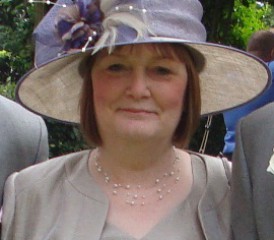
Toni’s Mesothelioma Story: Adapting as Treatment Changes

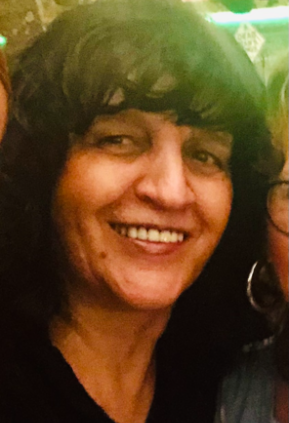

Before mesothelioma, Toni S. tells us she considered herself completely healthy. She exercised regularly, stayed active and rarely needed medical care. That changed in early 2025 when she suddenly began having trouble breathing.
“I could talk 2, 3 minutes and then it’s hard to breathe,” Toni shares. She was initially diagnosed with high blood pressure and later high cholesterol, but she continued telling her doctors that her breathing was the problem.
“I said, listen, I cannot breathe,” she recalls. Her persistence eventually led to an imaging test that uncovered a more serious problem.
Breathing Problems Lead to a Pleural Mesothelioma Diagnosis
A cardiologist recommended that Toni get a chest X-ray, but she didn’t have health insurance. Her son helped her obtain coverage and find doctors.
An X-ray showed an issue with Toni’s left lung, which a pulmonologist identified as fluid buildup around the lung called a pleural effusion. When doctors drained the fluid, Toni immediately noticed some improvement in her breathing.
When the fluid returned, doctors drained it again and performed a thoracoscopy and biopsy. The biopsy results confirmed pleural mesothelioma.
Toni needed a catheter placed so the recurring fluid could be drained at home. “I said, okay, whatever we have to do, we have to do,” Toni shares.
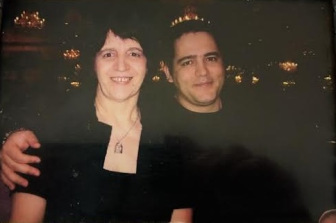
Her son learned how to drain the fluid and helped her manage the catheter. At first, they needed to drain it every other day and Toni remembers the process as painful. Eventually doctors were able to remove the catheter when the effusions stopped recurring.
Seeking a Second Opinion on Mesothelioma Treatment
Following her mesothelioma diagnosis, Toni met with an oncologist and began discussing treatment. She also decided to seek a second opinion.
She went to the University of Chicago and met with mesothelioma specialist Dr. Hedy Lee Kindler. For Toni, seeking a second opinion was worthwhile because it gave her another perspective on her diagnosis and mesothelioma treatment options.
Toni considered transferring her care to the University of Chicago, but Dr. Kindler was outside of her insurance network. She returned to her original oncology team. Toni also weighed the possibility of undergoing surgery, but felt strongly that she wanted to avoid a major operation if other treatment options could control her mesothelioma.
Immunotherapy Slows Disease Progression
Toni started immunotherapy in July 2025. She experienced some side effects, including a rash and changes involving her thyroid and cortisol levels. Her medical team prescribed medication to help her manage those side effects.
Toni continued treatment and tried to maintain as much of her normal routine as possible. She says treatment kept the disease from progressing for about a year.
A scan in 2026 showed the cancer was advancing again. Her oncologist recommended she move from immunotherapy to chemotherapy. “I wasn’t happy, but what else could I do?” Toni shares.
Chemotherapy Shows Early Promise
Toni began chemo in July 2026. Her initial treatment included carboplatin and Alimta. She completed 4 cycles before undergoing another PET scan in October. This time, the news was encouraging. “The disease decreased,” Toni said. “I was happy.”
Her oncologist then removed carboplatin from the regimen and continued treatment with Alimta as maintenance therapy. Toni pays close attention to how she feels after each infusion.
She says fatigue tends to become more noticeable several days after chemo. She also monitors other changes and talks to her medical team about any concerns.
Her experience has taught her that treatment doesn’t always follow one path. A therapy may work for a period of time before the cancer changes, requiring a new approach.
Toni Keeps Looking Forward
Toni remains in treatment and continues looking ahead. Her approach to living with mesothelioma is to take each new development as it comes and keep working with her medical team.
She tells us, “I wish there to be no evidence of disease. That’s my goal for the next level.”
“This isn’t the end,” Toni adds. “I have to get rid of this mesothelioma from my body and get back to normal, the way I was when I was healthy.”