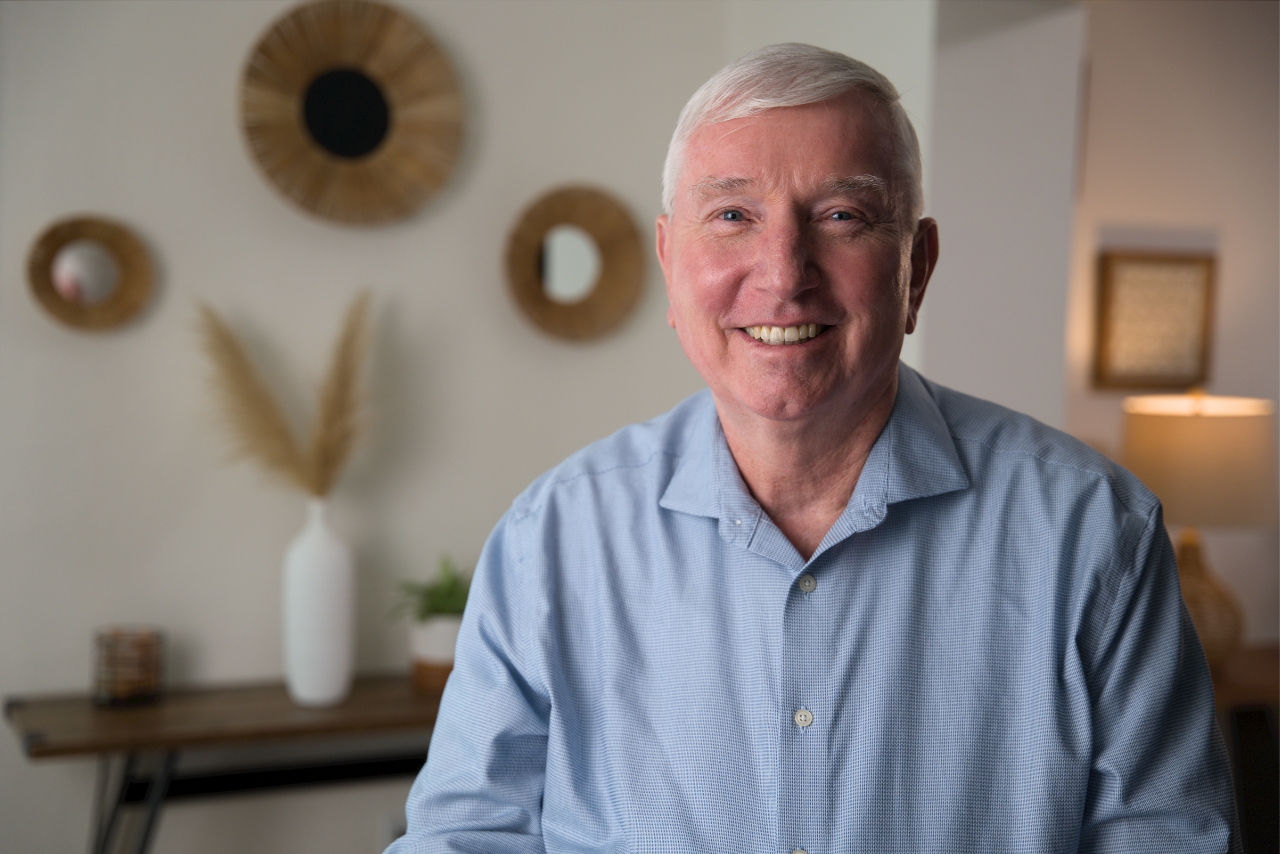
A mesothelioma diagnosis means an immediate flood of decisions: which doctor, which treatment, whether to pursue legal options and how to tell the people you love. The first 90 days set the course for treatment, finances and family.
Dr. Marcelo DaSilva: A Surgeon's Message of Hope for Newly Diagnosed Mesothelioma Patients
So most of the patients when they get the diagnosis of mesothelioma they think it's a death sentence. It is not. Get that out of your mind. We have options, we can treat you.
So I think the most important thing for patients once they determine they have mesothelioma is hope, a message of hope. You have to be hopeful that we can treat you because once that happens if there's hope in the equation, anything's possible. We can treat you with chemo, immunotherapy, prehab. We get you ready to have the surgery.
Remember, you're part of the team. You are part of what we're going to be helping. It's just not the disease process. I usually say we don't treat mesothelioma.
We treat patients and people and families with mesothelioma and that's difference that we offer in our program.
Dr. Marcelo DaSilva: A Surgeon's Message of Hope for Newly Diagnosed Mesothelioma Patients
So most of the patients when they get the diagnosis of mesothelioma they think it's a death sentence. It is not. Get that out of your mind. We have options, we can treat you.
So I think the most important thing for patients once they determine they have mesothelioma is hope, a message of hope. You have to be hopeful that we can treat you because once that happens if there's hope in the equation, anything's possible. We can treat you with chemo, immunotherapy, prehab. We get you ready to have the surgery.
Remember, you're part of the team. You are part of what we're going to be helping. It's just not the disease process. I usually say we don't treat mesothelioma.
We treat patients and people and families with mesothelioma and that's difference that we offer in our program.
Your First Week: Catch Your Breath
The first week after a mesothelioma diagnosis isn’t the time for big decisions. Most treatment choices can safely wait 2 to 3 weeks, and that time is better spent getting the right support in place.
Tips for Week One
One person first: Choosing someone who can be your first call, whether that’s a spouse, an adult child or a close friend, takes the pressure off telling everyone at once.
A notebook for everything: Jotting down doctor names, medications and questions as they come to you can help. Bring it to every appointment.
A Patient Advocate at The Mesothelioma Center: They can match you to a specialist, walk you through your legal options and connect you to a monthly support group. The support is free, and they can help you sort what needs to happen this week from what can wait.
Requesting your pathology report, collecting scan images and arranging a specialist referral can wait until you have some footing. Those logistics matter, but they don’t need to happen in the first few days.
How to Tell the People You Love About Your Diagnosis
Telling the people closest to you about your mesothelioma diagnosis is one of the hardest parts of the first week. There’s no perfect way to do it, but the order can make it a little easier.
Telling Your Family and Friends
Your partner first: Tell them alone and in private, without any pressure to respond in a particular way.
Adult children together: Tell them as a group if you can. They’ll support each other through the news.
Minor children: Talk to your oncology social worker before this conversation. The right words depend on the child’s age.
Your parents: Be ready, as they often take this the hardest.
Employer and HR: Hold off until you’ve spoken to a Patient Advocate about the Family and Medical Leave Act, disability and benefits. That’s a Day 30 conversation.
Everyone moves at their own pace with this news. A Patient Advocate can help you navigate the hardest conversations, especially the ones that feel impossible to start.
Next Step Planner
Your Next Steps After a Mesothelioma Diagnosis
Answer a few short questions, and we’ll build a personalized to-do list of your most important next steps, medical, legal and financial, based on where you are right now. No email or sign-up required to see your plan.
Answer a few quick questions to get started.
Want to speak to us directly?Our Patient Advocates are available 24/7.
Is your loved one currently receiving or seeking care?
Next Step Planner
1 of 5Question 1 of 5
Is the patient a U.S. military veteran?
Next Step Planner
1 of 5Question 1 of 5
Was the patient a U.S. military veteran?
Next Step Planner
1 of 5Question 1 of 5
Which of these describe your current situation?
Select all that apply.
Next Step Planner
1 of 5Question 1 of 5
Which of these describe your current situation?
Select all that apply.
Next Step Planner
1 of 5Question 1 of 5
Which of these describe your current situation?
Select all that apply.
Next Step Planner
1 of 5Question 1 of 5
Which of these describe your current situation?
Select all that apply.
Next Step Planner
1 of 5Question 1 of 5
Which of these describe your situation?
Select all that apply.
Next Step Planner
1 of 5Question 1 of 5
Which of these describe your situation?
Select all that apply.
Next Step Planner
1 of 5Question 1 of 5
When was the diagnosis made?
Next Step Planner
Your Next Step Plan
Based on your answers, here are your next steps, starting with the most important. Take them at your own pace. Each card links to more information, and a Patient Advocate can help you with the next steps in your plan.
A confirmed mesothelioma cancer diagnosis is the starting point for treatment, benefits and any legal claim. Your doctor and a Patient Advocate can help you navigate what comes next.
Because mesothelioma is rare, working with a team that specializes in treating this cancer is important. A Patient Advocate can connect you with specialists, and a loved one is welcome to join you for appointments.
Meet with doctors who specialize in mesothelioma, and get matched with a specialist near you.
Learn more
Discuss treatment options with an oncologist and a thoracic surgeon.
Learn more
Choose a mesothelioma treatment center.
Learn more
Ask about supportive or palliative care to help manage symptoms or treatment side effects.
Learn more
Write down questions for your first appointment.
Learn more
Your care team can help you consider the treatment options that may be right for you. Clinical trials may also be an option. You don’t have to make every decision at once.
Learn your options: surgery, chemotherapy, immunotherapy.
Learn more
Ask about clinical trials you may be eligible for.
Learn more
You may need a few key documents for the next steps, especially if you plan to file a claim. A Patient Advocate can help you identify what you need and request copies.
Request medical records and diagnosis documentation.
Obtain the death certificate.
Collect work and military history showing where asbestos exposure happened.
Learn more
A mesothelioma attorney can explain whether you may have a legal claim related to your asbestos exposure and what compensation may be available. Legal deadlines can apply, so talking with an attorney early can help you weigh your options.
A family may still have the option to pursue a wrongful death claim after a loved one has passed away. Legal deadlines can apply, so talking with an attorney soon can help you weigh your options.
Get a free consultation from a mesothelioma attorney.
Learn more
Understand your claim options: lawsuit and trust-fund claims.
Learn more
There may be several sources of financial support available to you. Your Patient Advocate can help you identify the best options for you.
Get a clearer picture of your health insurance coverage and potential out-of-pocket costs.
Learn more
Learn how asbestos trust funds work (many former asbestos companies set them up in bankruptcy, so families can still be compensated).
Learn more
Explore financial aid with a Patient Advocate: medical grants, travel grants and help with living costs.
Learn more
Look into Social Security Disability if eligible.
Learn more
Create a plan to track medical expenses, and learn about tax deductions for them.
See how the Family and Medical Leave Act may help you keep your job and insurance.
Learn more
If your asbestos exposure happened during military service, you may qualify for VA disability benefits and VA health care, in addition to other compensation. Our VA-accredited team can help you file at no cost.
Surviving family members may qualify for VA survivor benefits.
File a VA disability claim with a VA-accredited agent.
Learn more
Access VA health care for mesothelioma.
Learn more
A Patient Advocate can help you with the next steps in your plan.
This planner offers general guidance based on your answers. It doesn’t provide medical, legal or financial advice, and it doesn’t replace your care team or your attorney.
Days 0 to 30: Build Your Medical, Legal and Support Team
The first 30 days after a mesothelioma diagnosis aren’t about making big decisions. They’re about building the team that’ll help you make every decision after this.
The right team includes a specialist, a lawyer and a support network. Getting them in place early means every step that follows has more clarity behind it.
Medical: Get a Second Opinion and Find a Mesothelioma Specialist
Almost every person diagnosed with mesothelioma benefits from a second opinion at a specialized cancer center. The disease is rare and expert experience makes a real difference in treatment outcomes.
Second Opinion Checklist
A printed list of every medication you take, including over-the-counter drugs.
One trusted person at the first specialist appointment to take notes while you focus on listening.
Insurance pre-authorization confirmed for an out-of-network specialist visit. Most plans cover second opinions, but the paperwork can take 5 to 10 business days.
Records sent in advance: the specialist’s office can tell you what they need, and your local hospital handles the transfer.
A second opinion can mean two different things after a mesothelioma diagnosis. If a mesothelioma expert didn’t review your biopsy and complete your pathology report, confirming the diagnosis itself is the first priority. But even when the diagnosis is confirmed, a specialist consultation gives you an expert perspective on your treatment plan and your options. Most insurance covers both, and a Patient Advocate can connect you to the right specialists, schedule an appointment and help with the logistics.
“This cancer is extremely rare, so not a lot of doctors have ever seen it. By going to somebody who actually specializes in it, they can come up with different plans of treatment using a multidisciplinary approach through surgery, chemotherapy, immunotherapy, radiation or any clinical trials that are available.”
Missy Miller, director of Medical Outreach at The Mesothelioma Center
Legal and Financial: A Mesothelioma Lawyer
Starting a conversation with a mesothelioma lawyer in the first 30 days is worth it even if you aren’t sure you want to file a claim. Understanding your financial options early, from legal compensation to benefits that cover medical costs and lost wages, gives you more time to plan.
Legal and Financial First Steps
Once you’ve spoken with a Patient Advocate about FMLA, disability and benefits, talk to HR. Knowing your options first makes that conversation clearer.
Review your insurance explanation of benefits statements weekly once bills start arriving. It’s the earliest sign of coverage gaps.
If you’re a veteran, start with a VA-accredited claims agent. The VA disability claim process can take time, and starting now keeps your options open.
A Patient Advocate can help you choose a lawyer and law firm based on your needs, preferences and the details of your asbestos exposure history.
Write down your full asbestos exposure history: jobs, employers, dates and products. Your lawyer will need this.
Asbestos law firms vary widely in their experience with mesothelioma. A Patient Advocate can help you find the right fit based on your needs, preferences and the details of your asbestos exposure, including firms that specialize in asbestos claims, have a track record with mesothelioma cases and work on contingency.
If you served in any branch of the U.S. military and were exposed to asbestos during service, you may qualify for VA disability compensation, mesothelioma care at a VA center and a civilian legal claim, all at the same time. The Veterans Network at Asbestos.com can help you understand what’s available and where to start.
Shock, grief, anger, fear and anxiety are all normal responses to a mesothelioma diagnosis. So are depression, decision fatigue, sleep disruption and appetite changes. Support is available to help manage all of them.
Signs to Talk to Your Doctor
Loss of interest in things you used to enjoy, lasting more than 2 weeks.
No appetite or constant overeating, lasting more than 1 week.
Sleeping more than 12 hours or fewer than 4 hours a night, lasting more than 1 week.
Inability to get out of bed or complete basic daily tasks.
Thoughts of self-harm or suicide at any intensity.
If any of these are interfering with daily life, your oncology social worker is a good first call. People diagnosed with mesothelioma who connect with a counselor and a community of others who understand what they’re going through tend to do better during treatment. Mental health support is available, and The Mesothelioma Center’s monthly support group is free and open to patients and families.
If you or your loved one is in crisis, the 988 Suicide and Crisis Lifeline is available 24/7. Call or text 988.
Caregivers: Self-Care and Supporting Your Loved One in the First 30 Days
A diagnosis changes daily life for mesothelioma caregivers too. The first 30 days can feel like a lot at once: appointments, medications, family calls and your own emotions. Getting organized early makes the months ahead easier.
Caregiver First Steps
One shared calendar: Set it up somewhere everyone in the family can see it, whether that’s Google Calendar or a paper calendar on the wall.
A backup caregiver: Identify someone, whether that’s a sibling, adult child or close friend, who can step in when you need a day before you actually need one.
Time for yourself: Put an hour a week on the calendar now. It’s easier to protect time that’s already scheduled.
Caregivers support group: The stress caregivers carry is different from what patients experience, and it helps to connect with people who understand that.
In the first 30 days after a cancer diagnosis, many caregivers feel like they have to learn an entirely new language while managing appointments, paperwork and their own emotions. The days can move quickly and slowly at the same time. You may feel overwhelmed one moment and focused the next. There is no right way to respond to this kind of news. For now, it may help to focus on the next conversation, the next appointment or the next small task rather than trying to figure out everything at once.
Experience From a Mesothelioma Survivor
“My advice would be, to just have faith and just live moment by moment. Have a good attitude. Be grateful for every day that they’re there with us. That’s my advice, to just have faith. And, it will get better. It will be better.”
Days 30 to 60: Making Mesothelioma Treatment and Compensation Decisions
By Day 30, your team is in place and caregivers are establishing helpful routines that’ll carry everyone through treatment. Now it’s time to develop your personalized mesothelioma treatment plan and lean into emotional support.
You’ll also begin weighing options for legal representation and the best options for pursuing compensation. The financial assistance, supportive care and medical decisions you make in this window shape the next several months. Taking them one at a time, with the right people around you, makes coping with a mesothelioma diagnosis feel less overwhelming.
Medical: Decide on a Treatment Plan
By Day 60, most people with mesothelioma will have developed a treatment plan with their specialist that considers several key things. What’s my realistic goal? Do I have the necessary support in place for aggressive treatment? Have I factored in my second opinion?
Steps for Developing aTreatment Plan
Review your final pathology and staging results with your mesothelioma specialist.
Get your treatment plan in writing and keep a copy.
Schedule your treatment start date and arrange the logistics: transportation, time off work and caregiver coverage.
Your initial treatment plan may change or evolve, depending on your body’s reactions to the therapies you undergo. The right plan depends on how far your cancer has progressed, your overall health and your personal goals. The right treatment plan is one that fits your goals, your health and your life. Your specialist is your best guide through that decision, but the final call is always yours.
Legal: Financial and Family Planning
The first 60 days are when the financial and legal pieces start coming together. An initial conversation with a lawyer clarifies what compensation and financial assistance your family may be entitled to.
Day-60 Legal and Financial Checklist
Choosing a law firm: Together, you and your family will select a lawyer with a record of success and a team you feel comfortable working with.
Documenting your exposure history: Work with your attorney to gather records that show the connection between your asbestos exposure and your diagnosis, including jobs, products, employers and witness names.
Filing a VA disability claim: If you’re a veteran, it’s best to begin the process as soon as possible since it can take several months.
Power of Attorney: Putting this in place ensures your wishes are honored and gives your family the authority to act on your behalf when decisions need to be made.
Asbestos law firms that specialize in mesothelioma work on contingency, meaning no fees unless you win. This arrangement lets families pursue legal options without paying upfront costs or taking on additional financial risk.
Peer support works best when it starts early. The connections you make now become the foundation you’ll lean on through treatment.
Finding Emotional Support
Ask your cancer center about an oncology social worker. Most centers offer this at no cost.
Identify one person who can be your no-judgment call, someone who can hear the hard stuff without trying to fix it.
Join the Asbestos.com mesothelioma support group. It’s free, monthly and virtual. It’s open to both patients and caregivers.
Support doesn’t change the diagnosis, but it may make the path forward feel more manageable. It can provide practical help and emotional support as you navigate life with mesothelioma.
Experience From a Mesothelioma Survivor
“The support group that Asbestos.com has is absolutely phenomenal and I don’t know where I would be without it. It’s only one night a month, but it’s a collection of people who have mesothelioma. It’s a group that is facilitated so we’re all on track and everyone gets an opportunity to talk.”
Kevin H., pleural mesothelioma survivor
Caregiver: Taking on Tasks
By Day 60, you’re the appointment coordinator, medication tracker and family communication hub. Sustaining that role requires you to prioritize your own health too. Caregiver burnout doesn’t always announce itself. It builds quietly while you’re focused on someone else.
Caregiver Day-60 Priorities
Caregivers often start to recognize the rhythm of appointments and know who, when, where and why for the next 30 days.
The medication schedule usually becomes easier to navigate, including doses, timing, side effects and what to do if a dose is missed.
A nurse or care team can teach the home-care skills the patient may need during treatment.
Even small steps to care for your own health can help sustain you in this role.
Your role may feel more familiar by Day 60, but it can still demand a great deal from you. Paying attention to your own health and well-being can help you continue showing up for the person you love while also caring for yourself.
Exclusive Content
Karen Selby, Patient Advocate, RN.: A Message for Those Newly Diagnosed With Mesothelioma
What I would say to a patient that has a brand new diagnosis, I would try to, segment things that’ll be important for them and kinda break it down to make it realistic. Let’s let’s work on this. Let’s get an answer for that. And give them a list of things that are important now, some things that we can, you know, table for next week or next month, and kinda put in a perspective for them. So it’s not like I have to do everything right now. So connecting with the patient advocate, we we can actually help them to prioritize what level of importance their list is and focus on what’s important now and things that can be kinda tabled for later on.
Days 60 to 90: Start Mesothelioma Treatment, Build a Sustainable Routine
By Day 60, treatment is starting. The focus shifts from choosing to doing. The goal now is building a routine that protects your energy for the long road ahead.
This stretch is about endurance, not speed. Both patient and caregiver need sustainable habits that’ll carry them through treatment and beyond together.
Medical: Make Treatment Easier on Your Body
Chemo, surgery and immunotherapy each place different demands on your body and getting ahead of them helps you stay stronger throughout treatment. Your specialist and care team will guide most of this, but there are steps you can take now to make treatment more manageable.
As Treatment Begins
Ask about supportive care options, including pain management, nutrition support and a palliative medicine consult. Supportive care focuses on helping manage symptoms and maintain comfort during treatment.
Consider scheduling an appointment with an oncology dietitian. Nutrition support can play a meaningful role in how well people tolerate treatment, and most cancer centers offer this service.
Pack a chemo bag before your first infusion with items that may help during treatment days, such as comfort items, snacks and distractions.
Talk with the specialist about a plan for managing fatigue and nausea before treatment starts, so symptoms feel more anticipated and less reactive.
Many people find it helpful to set up support systems before treatment begins rather than trying to build them in the middle of it. Your care team can help you think through options, answer questions and adjust plans as symptoms change over time.
Legal and Financial: Planning for the Next 6 to 12 Months
By Day 90, many families begin spending more time on the financial side of treatment. Costs, insurance coverage and legal claims all move on different timelines, and they can start to feel easier to manage when organized early. This stage focuses on staying steady with those practical pieces as treatment continues.
Financial and Legal Priorities
Outline expected expenses over the next 6 to 12 months, including treatment travel, medical bills and time away from work.
Stay in regular contact with your attorney about claim status, since asbestos trust fund claims and lawsuit timelines often move independently of medical care.
Keep Power of Attorney and beneficiary paperwork up to date as part of routine planning during treatment.
Review insurance coverage and Family and Medical Leave Act usage with support from a Patient Advocate, who can help explain benefits, coverage details and next steps.
Financial and legal needs often add another layer for families during treatment. Attorneys and care teams can help with the details so nothing important gets overlooked. Many families find it helpful to have support in place as insurance questions, paperwork and claims evolve over time.
Emotional: Protecting Your Energy During Treatment
After about 60 days, many families notice how much mental energy treatment, appointments and decisions can take. Even small choices can start to feel heavier than usual. Creating a bit of structure in the day can help leave more room for the decisions that matter most.
Daily Routine Support
Having a simple, familiar start to the day, such as the same breakfast or morning routine, can reduce the number of early decisions.
Making space for a weekly walk, with a caregiver or alone, can support mood, sleep and energy during treatment.
Keeping evenings quieter when possible, including less focus on medical conversations after a certain point in the day, can help protect rest and relationships.
Writing things down in one place and involving a trusted person in big decisions can make it easier to revisit choices after some time has passed.
Emotional strain during treatment often shows up in small, everyday moments rather than a single point of overwhelm. Simple routines and boundaries can help protect energy for medical decisions, family conversations and rest.
Experience From a Mesothelioma Survivor
“If I can manage my stress, I can manage my pain. I can manage my anxiety. I can manage all these things that go along with this. And for those who are caretakers, you really do need to insulate that individual from stress. [People in treatment] cannot deal with stress while their body is in that shape.”
Michael Cole, pleural mesothelioma survivor
Caregiver: Staying Ahead of Burnout
By this point, caregiving often feels more established. The routines are in place, but so is the ongoing strain of appointments, communication and decision-making. Instead of focusing on prevention in theory, this stage is more about noticing early signs of overload and making small adjustments before they build.
Caregiver Energy Maintenance
Asking for help with specific, time-bound needs can make support more likely to happen, especially with daily tasks like meals or transportation.
Noticing changes in sleep, patience or focus can help identify when rest or support is needed earlier rather than later.
Choosing caregiver-only spaces, such as peer support groups or one-on-one conversations, can provide perspective that differs from patient-and-family settings.
Scheduling regular time off, even in short blocks, can help reduce cumulative strain when built into the calendar in advance.
Small, regular check-ins with your own energy and planned moments of relief can help keep strain from building unnoticed over time. Even brief pauses during the week or short breaks from daily responsibilities can help ensure rest doesn’t get pushed aside.
Frequently Asked Questions
How long do I have to make a treatment decision after a mesothelioma diagnosis?
Most people diagnosed with mesothelioma can safely wait 2 to 3 weeks before starting treatment. That window is often enough time to get a second opinion at a mesothelioma center of excellence, build a care team and choose a plan that fits your goals. Mesothelioma is serious, but it doesn’t always require a same-day decision. The first few weeks are often used for emotional stabilization, meeting specialists and developing a clear treatment plan. Your specialist will confirm your specific timeline at the second-opinion visit.
Is it normal to feel depressed after a mesothelioma diagnosis?
Depression, anxiety, panic attacks and decision fatigue are common after a mesothelioma diagnosis, and they’re treatable. If sleep, appetite or energy have changed for more than 1 to 2 weeks, or if there are thoughts of self-harm, talk to a doctor about screening for clinical depression. The 988 Suicide and Crisis Lifeline is available 24/7 for patients and caregivers via calling or texting 988.
Should I tell my children about my mesothelioma diagnosis?
Children often cope better when they hear a mesothelioma diagnosis directly from a parent in age-appropriate language, rather than overhearing it or finding out from someone else. Adult children may benefit from hearing the news together so they can support each other. For minor children, an oncology social worker or pediatric counselor can help prepare for that conversation, since the language often depends on age and development.
When should I start thinking about a mesothelioma lawyer?
It often helps to talk to a mesothelioma lawyer in the first 30 days after diagnosis, even if you aren’t sure whether to file a claim. Mesothelioma statutes of limitations vary by state and begin at diagnosis. The consultation is free and doesn’t require filing a claim. It can help clarify options before legal deadlines pass.
How do I find a mesothelioma specialist near me?
Mesothelioma specialists are typically found at academic medical centers and regional centers of excellence rather than most community hospitals. Our Patient Advocates can help match patients with a specialist based on location and diagnosis at no cost. Many patients travel for an initial consultation and then coordinate ongoing care between the specialist and a local oncologist.
Recommended Reading
Your web browser is no longer supported by Microsoft. Update your browser for more security, speed and compatibility.
If you are looking for mesothelioma support, please contact our Patient Advocates at (855) 404-4592
My primary support since being diagnosed with Mesothelioma, over 2 years ago, has been this company. Their monthly nationwide support group has been a tremendous help for me. I have learned about others' treatments and have been able to freely discuss mine, knowing others walk the same walk as I do and fully understand. Karen Selby, the nurse and patient advocate, has helped me so much. I call her and she delivers. She's experienced in Thoracic surgeries, is supportive, kind, knowledgeable, and makes a patient feel very cared for! The whole staff are polite, caring, and will help with Mesothelioma victims' many needs. I feel very blessed to have this Organization by my side as I live with this cancer.
I found out about The Mesothelioma Center while researching Peritoneal Mesothelioma days after being diagnosed with malignant cancer. While a lot of the 'Mesothelioma' websites are actually law firms just trying to get your business, theirs is a user-friendly, comprehensive website set up to aid patients, their loved ones, and/or caregivers with all things related to a cancer diagnosis from asbestos exposure. I was soon put in touch with one of their doctors, Snehal Smart, M.D., who immediately sent me a packet of general information, a book on surviving Mesothelioma, and offered me assistance in finding doctors, reputable law firms, financial help, support groups, and so much more! The Mesothelioma Center's website is, in my opinion, the best resource for anyone suffering from cancer due to asbestos. Dr. Smart is amazing! She is very knowledgeable and helpful, but she is also a very kind, caring doctor who appears to go the distance whether she is researching a pertinent topic, making suggestions, providing contacts, or just being a good listener on the other end of the phone. In addition, Dr. Smart referred me to a law firm who is now fighting to get me compensation for the negligence of those defendants whose products exposed me to asbestos and caused my subsequent cancer. Thank you, TMC and Dr. Smart, for helping me determine the best treatment plan for my cancer and being part of my miracle. I am currently cancer-free and back to being a mom to my precious daughter. The Mesothelioma Center, their website, and their staff rock!!
I just want to take this time to thank Mesothelioma Center for all the information you provide. The survival stories are inspiring and give hope where hope is needed! Thanks to you, I have met many others on the site and continue to converse with them. Keep up the good work. I am always looking forward to your posts! Thank you, Richard Delisle.
My brother was recently diagnosed with mesothelioma. I began researching it online. The information I received from The Mesothelioma Center is all-inclusive. No need to look anywhere else! The first phone call was with Karen, and she answered all my questions with ease. She also had a calming effect by presenting all the options available for my brother and his family. Thank you!
My father was recently diagnosed with mesothelioma. We, as a family, were devastated. We were uncertain where to even start, so we reached out to The Mesothelioma Center. They were absolutely amazing. They provided physicians in our area who specialize in this type of cancer because it is so rare. They also set us up with a firm who specializes in getting funds that are set aside to help with our medical bills. I’m so glad we made the phone call. They were very knowledgeable, supportive, sincere, and true patient advocates.
Asbestos.com. (2026, September 15). What to Expect in the First 90 Days After a Mesothelioma Diagnosis. Retrieved October 8, 2026, from https://www.asbestos.com/mesothelioma/first-90-days/
MLA
"What to Expect in the First 90 Days After a Mesothelioma Diagnosis." Asbestos.com, 15 Sep 2026, https://www.asbestos.com/mesothelioma/first-90-days/.
Chicago
Asbestos.com. "What to Expect in the First 90 Days After a Mesothelioma Diagnosis." Last modified September 15, 2026. https://www.asbestos.com/mesothelioma/first-90-days/.
Asbestos.com is the nation’s most trusted mesothelioma resource
The Mesothelioma Center at Asbestos.com has provided patients and their loved ones the most updated and reliable information on mesothelioma and asbestos exposure since 2006.
Our team of Patient Advocates includes a medical doctor, a registered nurse, health services administrators, veterans, VA-accredited Claims Agents, an oncology patient navigator and hospice care expert. Their combined expertise means we help any mesothelioma patient or loved one through every step of their cancer journey.
More than 30 contributors, including mesothelioma doctors, survivors, health care professionals and other experts, have peer-reviewed our website and written unique research-driven articles to ensure you get the highest-quality medical and health information.
About The Mesothelioma Center at Asbestos.com
Assisting mesothelioma patients and their loved ones since 2006.
Helps more than 50% of mesothelioma patients diagnosed annually in the U.S.
A+ rating from the Better Business Bureau.
5-star reviewed mesothelioma and support organization.
My family has only the highest compliment for the assistance and support that we received from The Mesothelioma Center. This is a staff of compassionate and knowledgeable individuals who respect what your family is experiencing and who go the extra mile to make an unfortunate diagnosis less stressful. Information and assistance were provided by The Mesothelioma Center at no cost to our family.
Registered Nurse and Board Certified Patient Advocate
Karen Selby is a registered nurse and Board Certified Patient Advocate at The Mesothelioma Center with more than 30 years of experience in oncology and thoracic surgery. She worked as an operating room nurse in thoracic surgery at the University of Maryland for 6 years, assisting with surgeries such as lung transplants, pneumonectomies and pleurectomies. She later served as regional director of the tissue procurement program at the University of Florida. Karen joined The Mesothelioma Center in 2009, providing patients with personalized support and resources.
Fact-checked and verified content:
Our fact-checking process begins with a thorough review of all sources to ensure they are high quality. Then we cross-check the facts with original medical or scientific reports published by those sources, or we validate the facts with reputable news organizations, medical and scientific experts and other health experts. Each page includes all sources for full transparency.
Please read our editorial guidelines to learn more about our content creation and review process.



 Missy Miller , director of Medical Outreach at The Mesothelioma Center