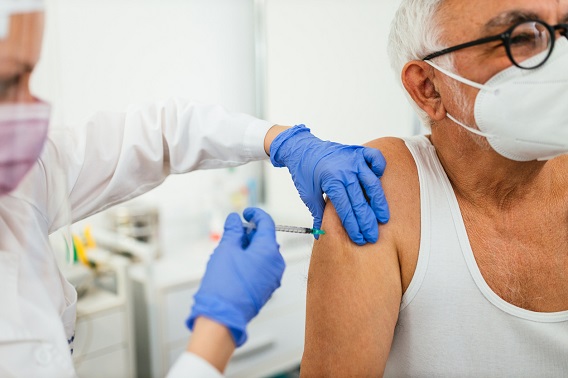
Pegargiminase is a new mesothelioma treatment. The drug contains an enzyme that finds and breaks down a specific protein cancer cells use to grow. This can slow tumor growth. Still in clinical trials, pegargiminase is improving outcomes when used with chemotherapy and other treatments.
Diagnosed with mesothelioma? Get a free guide to learn about the latest treatment options.
Access information on top mesothelioma treatments.
Pegargiminase, known as ADI-PEG20, is a new type of cancer drug. It’s being studied as a treatment for mesothelioma. An enzyme therapy, this medication targets how cancer cells get their energy. This potential new mesothelioma treatment may improve outcomes for patients.
It’s made from a protein that comes from bacteria called arginine deiminase or ADI. It also contains polyethylene glycol or PEG. This helps the medicine stay in your body longer, reducing the chance of an immune reaction.
Key Facts About ADI-PEG20
ADI-PEG20 is a medication used in what’s known as arginine depletion therapy.
It lowers arginine in the body, which is a nutrient cancer cells need to grow.
This can help slow the growth of mesothelioma tumors.
ADI-PEG20 is being studied in combination with chemotherapy.
Pegargiminase is a promising new approach in the fight against mesothelioma. Because it’s still being researched, it’s considered an investigational drug. Arginine depletion therapy, using medications like pegargiminase, may offer a new weapon against this challenging cancer. Researchers hope it will improve the effectiveness of mesothelioma chemotherapy.
How May Pegargiminase Treat Mesothelioma?
Pegargiminase may be used to treat mesothelioma as a way to cut off the cancer cells’ food supply. Because ADI-PEG20 contains a specific enzyme (arginine deiminase), it can target and reduce the amount of a protein (arginine) mesothelioma uses to grow.
Healthy cells can usually make their own arginine, but some mesothelioma tumors cannot. This is the case for 2 mesothelioma subtypes: Biphasic and sarcomatoid mesothelioma, also known as non-epithelioid mesothelioma. These tumors must get arginine from the bloodstream to survive. Because they rely more on outside arginine, ADI-PEG20 is especially effective for people with nonepithelioid mesothelioma. Without arginine, the cancer cells struggle to grow and spread, making the tumor easier to treat.
This approach targets the tumor metabolism, which is how cancer cells use energy. Researchers are studying pegargiminase in combination with chemo for pleural mesothelioma. Combining it with chemo may make the treatment more effective. It’s hoped this approach will improve outcomes for mesothelioma patients.
Combining Pegargiminase With Chemotherapy
The most effective way to use ADI-PEG20 to treat mesothelioma is to pair it with other chemo drugs rather than using it alone. Researchers are studying this combination approach in clinical trials.
Cutting off their food supply appears to weaken cancer cells, making them more vulnerable to mesothelioma medications like chemo. Doctors hope this combo will improve survival rates and other important outcomes.
Using Pegargiminase with Other Treatments
Scientists are exploring pegargiminase with other treatments like immunotherapy for mesothelioma. Drugs like Tecentriq help the body’s own immune system fight cancer. Combining Tecentriq with pegargiminase might make the immune system’s attack on cancer cells more effective.
It’s also being studied with radiation, another common cancer treatment. Researchers are looking at how ADI-PEG20 can work best with these other therapies to give patients the best chance of fighting mesothelioma.
500+ SPECIALISTS AVAILABLE
Get to the Right Mesothelioma Cancer Center, Faster
Connect with top-rated mesothelioma specialists at a cancer center near you, who will personalize treatment options based on your diagnosis.
Several mesothelioma clinical trials are actively studying pegargiminase. These trials test how well it worksand whether it’s safe and effective in combination therapies. According to the National Cancer Institute, pegargiminase trials are in different phases, looking at various aspects of the drug. No pegargiminase-based treatment for mesothelioma has received FDA approval yet.
Active ADI-PEG 20 Trials and Research
Expansion study of ADI-PEG 20, pemetrexed and cisplatin in patients with ASS1-deficient malignant pleural mesothelioma (TRAP)
Pegargiminase plus first-line chemotherapy in patients with nonepithelioid pleural mesothelioma: The ATOMIC-Meso randomized clinical trial
Phase I study of ADI-PEG 20 in combination with pemetrexed and cisplatin (TRAP) in patients with ASS1-deficient mesothelioma and non-squamous lung cancer
Researchers have learned a lot from completed trials. They’re learning about the best doses and how to combine ADI-PEG 20 with other treatments. This research is bringing doctors closer to finding better ways to fight mesothelioma.
A clinical trial participant and mesothelioma patient named Mick has outlived his prognosis thanks to pegargiminase. “This trial has changed the lives of people with mesothelioma, allowing us to live longer,” Mick said. “I have five grandchildren and two great-grandchildren now. I wouldn’t want to miss all that.”
Benefits of Pegargiminase
Pegargiminase may offer survival benefits for people with mesothelioma. Researchers are continuing to study these potential benefits. They hope that ADI-PEG 20 will lead to better outcomes for patients.
Reported ADI-PEG 20 Benefits in Studies
ADI-PEG20 may help control the growth of mesothelioma tumors.
ADI-PEG 20 with chemo quadrupled mesothelioma survival compared to chemo and a placebo.
Studies are currently determining if it improves quality of life for patients.
These benefits may help people with mesothelioma live longer and feel better. Pegargiminase could become an important part of mesothelioma treatment. It may offer new hope for those battling this disease.
Pegargiminase Side Effects & Potential Risks
Like all medications, pegargiminase can cause side effects. When ADI-PEG 20 is combined with chemo, there’s a risk of combined toxicities. This means the side effects from both treatments could be stronger. It’s important to talk to your doctor about these potential risks.
Commonly Reported ADI-PEG 20 Side Effects
Fatigue
Fever
Injection site reactions
Low red blood cell counts (anemia)
Nausea
Vomiting
Because pegargiminase is still under investigation, doctors are still learning about all its potential side effects. Researchers are also studying possible drug interactions. It’s important to tell your doctor about all the medications you’re taking. The long-term effects of ADI-PEG 20 are also still under investigation.
Who Should Consider Pegargiminase?
Researchers are working to understand which patients are most likely to benefit from pegargiminase. Research indicates it may be more effective in patients with nonepithelioid mesothelioma. These different cell types respond differently to treatment.
Doctors are using personalized mesothelioma treatment approaches. They hope tailoring treatment to each patient will improve survival. Ongoing research into who benefits the most from ADI-PEG 20 will help doctors make better treatment decisions.
ADI-PEG20 or pegargiminase is being hailed as the first drug of its kind to be incorporated successfully with chemotherapy in 20 years. Researchers say…
Because pegargiminase isn’t FDA-approved for mesothelioma yet, it’s only available in clinical trials. It also isn’t available through an expanded access program.
Exploring ADI-PEG 20 as a Mesothelioma Treatment Option
Contact your doctor or a mesothelioma specialist.
Inquire about current clinical trials involving ADI-PEG20.
Discuss the potential benefits and risks with your healthcare team.
The Patient Advocates at The Mesothelioma Center can help you explore ADI-PEG 20 as a mesothelioma treatment option. They can provide information about clinical trials and other resources. They can also offer support and guidance during your treatment journey.
Common Questions About Pegargiminase
How does pegargiminase compare to standard chemotherapy?
Pegargiminase works differently than standard chemotherapy. Chemo targets all fast-growing cells. Pegargiminase specifically cuts off cancer cells’ arginine supply.
ADI-PEG 20 and standard chemo are often studied in combination. Researchers hope this combo will be more effective than chemo alone.
Why has pegargiminase been considered a breakthrough in mesothelioma treatment?
Pegargiminase represents a new approach to treating mesothelioma. It targets the cancer cells’ metabolism, which is different from how other treatments work. This new approach may offer hope for patients who haven’t responded well to other treatments. It may also improve the effectiveness of existing treatments.
Does pegargiminase work better in early-stage or late-stage mesothelioma patients?
Research is ongoing to determine how pegargiminase works in different stages of mesothelioma. Clinical trials are studying its effectiveness in both early and late-stage patients. More research is needed to understand who benefits most from this treatment.
Recommended Reading
Your web browser is no longer supported by Microsoft. Update your browser for more security, speed and compatibility.
If you are looking for mesothelioma support, please contact our Patient Advocates at (855) 404-4592
Fact Checked
Our fact-checking process begins with a thorough review of all sources to ensure they are high quality. Then we cross-check the facts with original medical or scientific reports published by those sources, or we validate the facts with reputable news organizations, medical and scientific experts and other health experts. Each page includes all sources for full transparency.
Reviewed
Asbestos.com is the nation’s most trusted mesothelioma resource
The Mesothelioma Center at Asbestos.com has provided patients and their loved ones the most updated and reliable information on mesothelioma and asbestos exposure since 2006.
Our team of Patient Advocates includes a medical doctor, a registered nurse, health services administrators, veterans, VA-accredited Claims Agents, an oncology patient navigator and hospice care expert. Their combined expertise means we help any mesothelioma patient or loved one through every step of their cancer journey.
More than 30 contributors, including mesothelioma doctors, survivors, health care professionals and other experts, have peer-reviewed our website and written unique research-driven articles to ensure you get the highest-quality medical and health information.
About The Mesothelioma Center at Asbestos.com
Assisting mesothelioma patients and their loved ones since 2006.
Helps more than 50% of mesothelioma patients diagnosed annually in the U.S.
A+ rating from the Better Business Bureau.
5-star reviewed mesothelioma and support organization.
My family has only the highest compliment for the assistance and support that we received from The Mesothelioma Center. This is a staff of compassionate and knowledgeable individuals who respect what your family is experiencing and who go the extra mile to make an unfortunate diagnosis less stressful. Information and assistance were provided by The Mesothelioma Center at no cost to our family.
Asbestos.com. (2026, February 9). Pegargiminase. Retrieved October 15, 2026, from https://www.asbestos.com/treatment/drugs/pegargiminase/
MLA
"Pegargiminase." Asbestos.com, 9 Feb 2026, https://www.asbestos.com/treatment/drugs/pegargiminase/.
Chicago
Asbestos.com. "Pegargiminase." Last modified February 9, 2026. https://www.asbestos.com/treatment/drugs/pegargiminase/.
Most helpful, steered us in the right direction for treatment. Great source of information and support, the Center followed through on every one of our requests.
Because of their guidance, I was able to navigate getting my mother into MD Anderson when her case got put aside by mistake in all the COVID-19 craziness. Vanessa was amazing and I can’t recommend enough reaching out to them. I thought it was a gimmick to get you to hire a lawyer, but I was so wrong. They truly seemed to want to help meso patients and KNOW what you need to ask and do in order to get help.
Hearing the news about my mother's diagnosis was heartbreaking. I felt lost, I didn't know how I could help or where to seek the best medical care. I started researching specialists online and shortly after, Dr. Smart reached out to me. She has been extremely helpful and encouraging throughout this entire process. Even though we aren't located in her area, she has helped us get in contact and set up appointments with the best doctors/specialists nearby. She has always been available for any questions that we have, and she even sent us a binder full of helpful resources. The patient advocates are amazing and true to their title. Dealing with this process is not easy, but knowing that we have someone like Dr. Smart in our corner is reassuring and we are so grateful for her and The Mesothelioma Center.
My son Carlos was diagnosed with this terrible and unknown disease a few months ago. Thank God we found The Mesothelioma Center along the way, and Vanessa Blanco who provided us with information on hospitals and doctors who have been of great help. I am very grateful to them.
Extremely communicative and helped my dad get an appointment with one of the top centers in Philadelphia. I'm so grateful for this center. They assisted with information on nutrition, legal help, and scheduling appointments. Special thanks to Danielle!
Danielle DiPietro was an invaluable resource for me. Her suggestions and recommendations guided us towards stellar practitioners in our area. Without her advocacy, I feel we would have been receiving less-than-optimal medical and legal care for mesothelioma. Receiving the diagnosis was a shock and I felt lost initially. I wish everyone could take advantage of this FREE assistance.
I was very grateful and appreciative of Dr. Smart from The Mesothelioma Center. She was very helpful to my husband and me. She educated and walked us through the steps, and suggested ideas and questions to ask his doctors. She also provided me with a lot of information that I can read and educate myself about this illness. We need more people like Dr. Smart, who is very educated and you can tell she enjoys the work that she does by the way she assisted my husband and me. We thank the Lord and are grateful that we met Dr. Smart from The Mesothelioma Center.
In January of 2016, my husband was diagnosed with peritoneal mesothelioma. Our first reaction was: what is this and what can we do? He was diagnosed by an oncologist and was scheduled to start chemotherapy. When we arrived home that day, I googled mesothelioma and discovered The Mesothelioma Center had a form to fill out to request additional information. I filled it out and within an hour, I received a phone call from Karen Selby from The Mesothelioma Center asking if I needed any help. Karen was and still is my lifeline. She located a doctor at the Cleveland Clinic who performed surgery and HIPEC on peritoneal mesothelioma patients. My husband was scheduled with an appointment and his surgery was performed on March 3, 2016. He continued with follow-up appointments with the oncologist until a friend of ours passed away from it in 2017. Immediately I sent Karen an email asking if she knew any mesothelioma specialists at the clinic, and of course, I got a prompt response back with a name. Everything was going well until the last CAT scan, which showed it returned. He is now doing chemo and has his next CAT scan scheduled for the end of March with a follow-up for the results with the mesothelioma doctor. Without Karen, I am not sure my husband would still be here. She provided me with so much information along with help in various ways, too numerous to even mention. Thank you to all those who are there to help us.
Dr. Velotta is a leading thoracic surgeon and pleural mesothelioma specialist at Kaiser Permanente Oakland Medical Center and a Clinical Assistant Surgical Professor at the University of California, San Francisco School of Medicine. With more than 15 years of experience, he leads research efforts in minimally invasive lung cancer surgery, pain management post-thoracic surgery and multimodal mesothelioma treatment. He is recognized for advancing image-guided surgical techniques and improving regional access to specialized mesothelioma care.
Fact-checked and verified content:
Our fact-checking process begins with a thorough review of all sources to ensure they are high quality. Then we cross-check the facts with original medical or scientific reports published by those sources, or we validate the facts with reputable news organizations, medical and scientific experts and other health experts. Each page includes all sources for full transparency.
Please read our editorial guidelines to learn more about our content creation and review process.