

Based on Your Reading:
Get Your Free Mesothelioma Guide

Find a Top Mesothelioma Doctor

Access Help Paying for Treatment

Asbestos was incorporated into moldable synthetic plastic to make it stronger and resistant to heat. Asbestos plastic products were used in cars, planes and electrical components, and included name brands such as Bakelite and Noramite.

Written by Michelle Whitmer | Scientifically Reviewed by Sean Fitzgerald, PG | Edited by Walter Pacheco | Last Update:


Years Produced:
1907 – Present

Places Used:
Construction, manufacturing, automotive and aerospace industries

Toxicity:
Low

Asbestos Use Banned:
No

Friable:
No
Moldable plastic, also known as thermosetting plastic, allows manufacturers to mass produce products of almost any shape quickly and cheaply. The first brand of plastic fit for this purpose, Bakelite, had a phenol formaldehyde resin base. Its inventor realized this chemical mixture needed fillers to improve its strength and prevent it from shrinking too much when cooled.
Many types of fillers serve these basic purposes, but asbestos fibers brought additional benefits, making the plastic resistant to moisture, heat, acid and electricity. Asbestos was a natural choice in plastics for high-temperature and electrical applications. Because the naturally occurring mineral was cheap and easy to work with, manufacturers often used asbestos plastics by default for many other types of products as well.
While Bakelite contained asbestos from at least 1909 to 1974, most American manufacturers phased out asbestos around the mid-1980s. Asbestos plastic products remain in production internationally. In 2019, the U.S. Environmental Protection Agency placed a temporary ban on the importation of one type of asbestos plastic, known as reinforced plastic, while it reviews potential new uses of the mineral. Asbestos sheet gaskets, which may be made from plastic, remain legal to manufacture and import into the U.S.
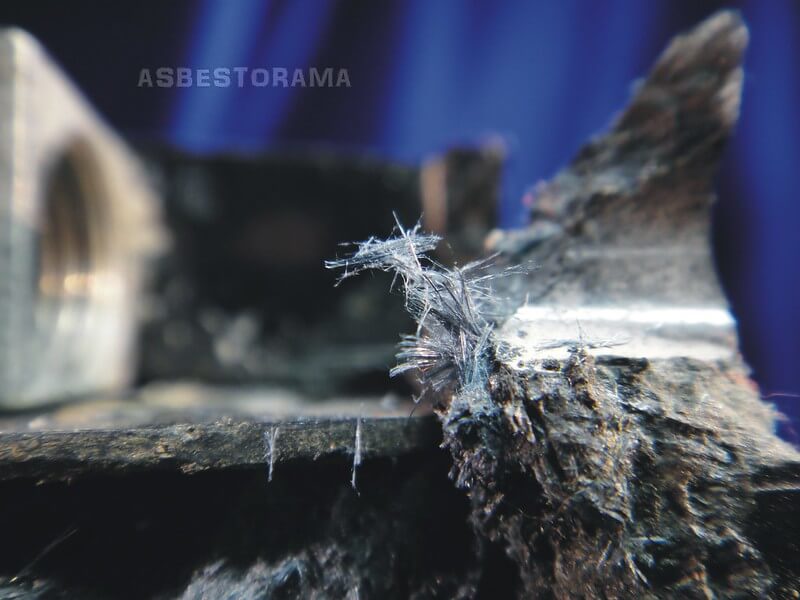
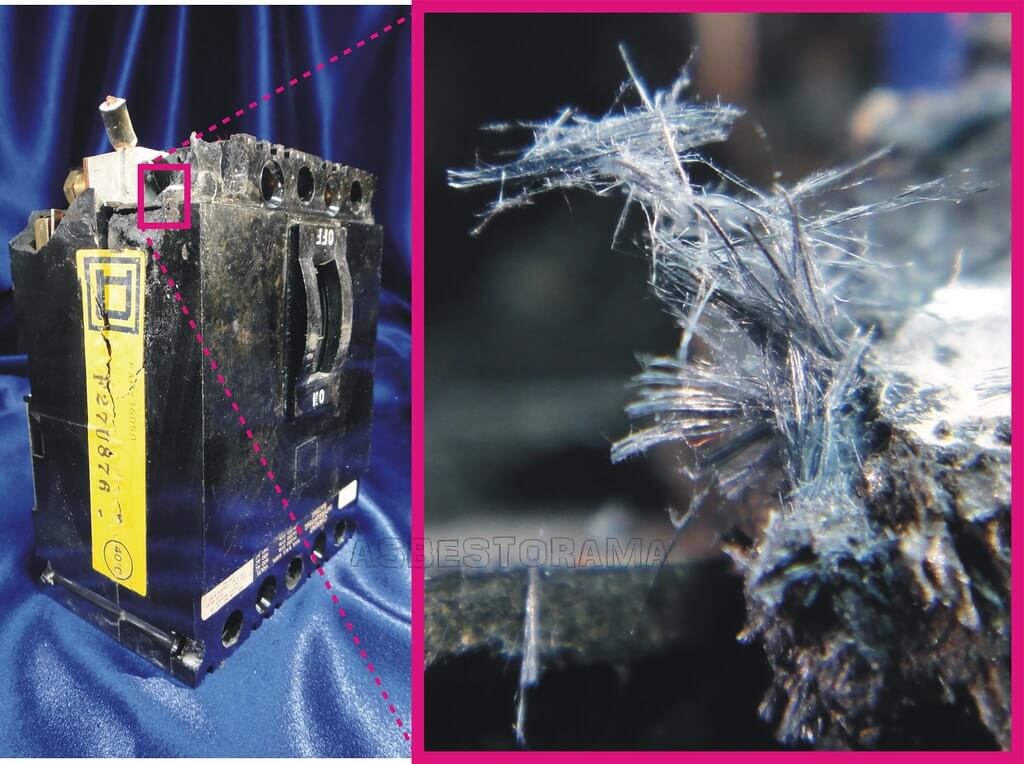
Electrical Components
Plastic is a poor conductor of electricity, making it an ideal base for circuit breakers, switchboards and electrical panels. Fireproofing is a high priority for electricians, which made asbestos-containing products an attractive option.
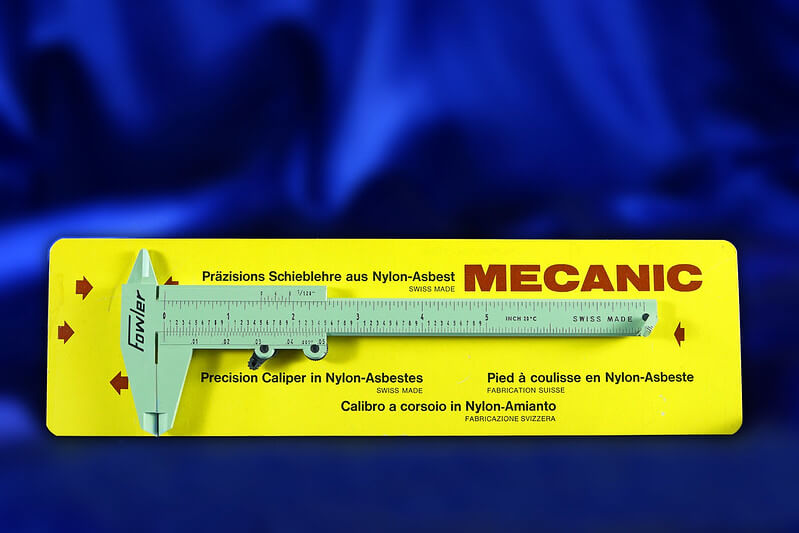
Consumer Goods
Plastic is also a poor conductor of heat, which is why a person can safely touch the plastic handle of a frying pan even while the metal part is extremely hot. Asbestos plastic was used to produce consumer goods, including tools, cookware and appliances. For example, asbestos plastic was used in stove linings and cookware handles.
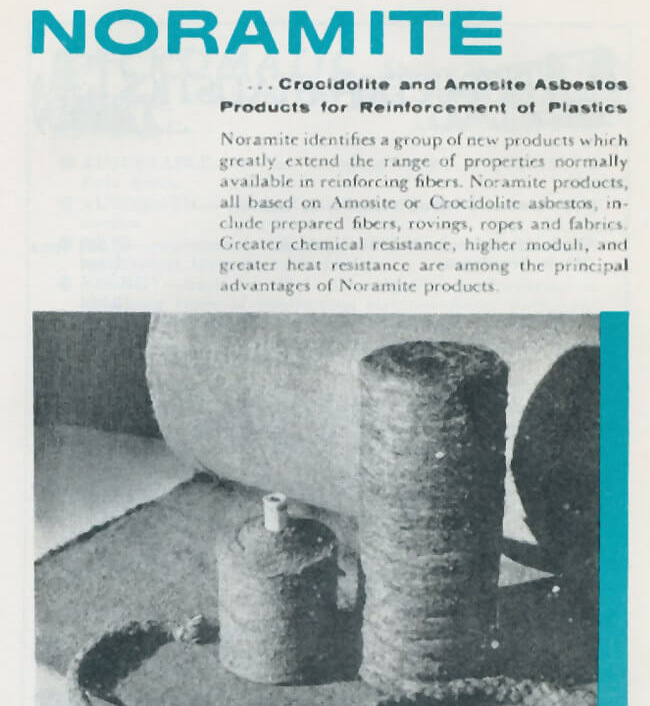
Textiles
Asbestos and plastic polymers were added to certain textiles, including rope, yarn and fabric, to reinforce these materials. For example, the North American Asbestos Corporation manufactured asbestos-containing plastic textiles under the brand name Noramite.
Automobile Parts
Like manufacturers of consumer goods, carmakers used asbestos plastic for all types of automobile parts, including arc chutes, steering wheels and brake pads.
Aircraft and Weapon Systems
The aerospace industry took advantage of the lightweight and insulating properties of asbestos plastic by using it for high-tech items such as rocket nose cones, aircraft drop tanks and missile casings.
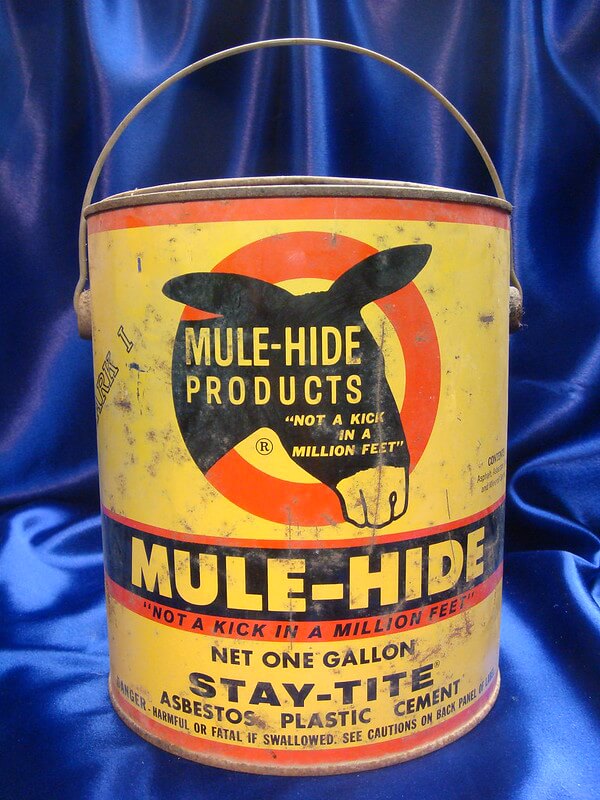
Asbestos plastic products also took the form of vinyl wallpaper, tiles and flooring as well as plastic cement. Asbestos plastic cement was applied to masonry, brick and felt surfaces.
Manufacturers that made asbestos plastics include:
Get Your Free Mesothelioma Guide
Find a Top Mesothelioma Doctor
Access Help Paying for Treatment
Up until the 1980s, chemical plant workers preparing asbestos plastic molding compounds were often surrounded by high concentrations of toxic asbestos dust, especially when their work involved pouring raw asbestos fibers and cutting and transporting asbestos-containing materials. Workers who regularly breathe in asbestos dust have the highest risk of developing asbestos-related diseases later in life.
Exposure to asbestos in plastic products is known to cause:
Molded asbestos plastic products are generally less dangerous than other types of asbestos-containing materials because they are less friable, which means less easily crushed by hand. Plastic fixes asbestos fibers in place, but these products release asbestos when damaged. Electricians, construction workers, auto mechanics and homeowners can suffer asbestos exposure when old electrical components are drilled, sawed or broken. This type of damage exposes asbestos fibers within the plastic, allowing them to become airborne.
If you worked with asbestos plastics and develop an asbestos-related disease, it is important to seek medical care from a doctor specializing in your specific diagnosis. Working with a specialist may lead to improved survival by giving you access to the latest treatments and clinical trials.
Many manufacturers of asbestos plastics knew their products were dangerous and chose to use asbestos regardless of the health effects. Decades of lawsuits revealed internal documents from some of these companies, including W.R. Grace, proving they were aware that asbestos causes lung disease and cancer.
Workers who developed asbestos-related diseases after using asbestos plastics have filed personal injury lawsuits against the manufacturers of these products, and those who lost a loved one have filed wrongful death lawsuits.
A mesothelioma attorney can review your case to advise whether you qualify to file a lawsuit and multiple asbestos trust fund claims. Other forms of compensation include VA claims, Social Security Disability and treatment and travel grants.

Our Patient Advocates have more than 50 years of combined experience helping mesothelioma patients.
Chat NowThe Occupational Safety and Health Administration classifies abatement of asbestos plastic products as a class II operation, which requires workers to be trained and certified in asbestos abatement. It also requires the use of negative pressure enclosures to prevent contamination, and other safety measures, including personal protective equipment to prevent asbestos exposure.
Homeowners and do-it-yourselfers could face big fines for carrying out abatement of asbestos plastic products. Make sure to hire a licensed asbestos abatement company for this kind of work.
In the 1970s and 1980s, legislation from the U.S. Environmental Protection Agency and restrictions in the Toxic Substances Control Act and the Clean Air Act finally began to limit the use of asbestos in the U.S. The U.S. Environmental Protection Agency attempted to enact a ban on all asbestos products, but it was overturned by the Fifth Circuit Court of Appeals in 1991.
Fearing legal repercussions, many companies began to phase out asbestos in the 1980s. Plastic manufacturers adopted a variety of substitute fillers, including calcium carbonate, talc, clay, mica, glass and silica. Unfortunately, using talc as a filler presents the risk of asbestos contamination. These minerals form next to each other, and industrial uses of talc run the highest risk for contamination because of the way industrial talc is classified and processed.
Many companies used asbestos to reinforce plastic products that included PVC (polyvinyl chloride polymer), phenolics, polypropylene and nylon. The production of these plastics often required factory workers to pour raw asbestos fibers into mixing tanks and molds, creating occupational asbestos exposure risks.
In 1907, a chemist named Dr. Leo Baekeland created the first synthetic thermosetting plastic, which he named Bakelite. When combined with wood and asbestos fibers for filler, Bakelite proved to be an all-around durable substance that manufacturers could mold into any shape necessary. Baekeland marketed it as “the material of a thousand uses,” and the rapid growth of the plastics industry throughout the 20th century backed up his claim.
Recommended ReadingYour web browser is no longer supported by Microsoft. Update your browser for more security, speed and compatibility.
If you are looking for mesothelioma support, please contact our Patient Advocates at (855) 404-4592
The Mesothelioma Center at Asbestos.com has provided patients and their loved ones the most updated and reliable information on mesothelioma and asbestos exposure since 2006.
Our team of Patient Advocates includes a medical doctor, a registered nurse, health services administrators, veterans, VA-accredited Claims Agents, an oncology patient navigator and hospice care expert. Their combined expertise means we help any mesothelioma patient or loved one through every step of their cancer journey.
More than 30 contributors, including mesothelioma doctors, survivors, health care professionals and other experts, have peer-reviewed our website and written unique research-driven articles to ensure you get the highest-quality medical and health information.
My family has only the highest compliment for the assistance and support that we received from The Mesothelioma Center. This is a staff of compassionate and knowledgeable individuals who respect what your family is experiencing and who go the extra mile to make an unfortunate diagnosis less stressful. Information and assistance were provided by The Mesothelioma Center at no cost to our family.LashawnMesothelioma patient’s daughter


Whitmer, M. (2026, February 12). Asbestos in Moldable Plastic Products. Asbestos.com. Retrieved June 9, 2026, from https://www.asbestos.com/products/plastics/
Whitmer, Michelle. "Asbestos in Moldable Plastic Products." Asbestos.com, 12 Feb 2026, https://www.asbestos.com/products/plastics/.
Whitmer, Michelle. "Asbestos in Moldable Plastic Products." Asbestos.com. Last modified February 12, 2026. https://www.asbestos.com/products/plastics/.
An occupational scientist or another expert who specializes in occupational hazards reviewed the content on this page to ensure it meets current scientific standards and accuracy.

Sean Fitzgerald, PG, is a research geologist specializing in asbestos environmental studies.
Our fact-checking process begins with a thorough review of all sources to ensure they are high quality. Then we cross-check the facts with original medical or scientific reports published by those sources, or we validate the facts with reputable news organizations, medical and scientific experts and other health experts. Each page includes all sources for full transparency.
Please read our editorial guidelines to learn more about our content creation and review process.

