Mesothelioma survival rates depend on treatment and cancer stage. The average survival rate for mesothelioma is about 18 months after diagnosis with treatment. The 5-year survival rate for pleural mesothelioma is approximately 12%. Some patients have lived for more than 10 years after treatment.
Dr. Jacques Fontaine: What can I do to improve my chances of survival if I was just diagnosed with mesothelioma?
People come and ask me, what can I do. I was just diagnosed with mesothelioma. What can I do to improve my chances? I tell them three things.
One is exercise every day. Get up and walk. The more you walk the better, it is for you both physically, also mentally. Second thing, high protein foods, that's the best diet you can do.
You want to--
proteins are the building blocks of your muscles and of your body, and you want to have the best nutrition to be able to handle the treatments. And the third thing, even more important than nutrition and exercise, is attitude. If you have a positive attitude, then there's a chance that you can beat this cancer.
But if you go and start this fight already losing, you'll never make it. That's why a positive attitude goes a long way, much more than any nutritional supplement, much more than anything else, a positive attitude. And that comes from within, and that comes from the people around you.
Dr. Jacques Fontaine: What can I do to improve my chances of survival if I was just diagnosed with mesothelioma?
People come and ask me, what can I do. I was just diagnosed with mesothelioma. What can I do to improve my chances? I tell them three things.
One is exercise every day. Get up and walk. The more you walk the better, it is for you both physically, also mentally. Second thing, high protein foods, that's the best diet you can do.
You want to--
proteins are the building blocks of your muscles and of your body, and you want to have the best nutrition to be able to handle the treatments. And the third thing, even more important than nutrition and exercise, is attitude. If you have a positive attitude, then there's a chance that you can beat this cancer.
But if you go and start this fight already losing, you'll never make it. That's why a positive attitude goes a long way, much more than any nutritional supplement, much more than anything else, a positive attitude. And that comes from within, and that comes from the people around you.
“What frustrates me most, and I hear this often with new patients, is, ‘I just saw my doctor today, and they said I have a year to 16 months to live.’ That is not the case. You’re an individual. This is your story.”
Karen Selby, registered nurse and Patient Advocate at The Mesothelioma Center
“People come and ask me, what can I do. I was just diagnosed with mesothelioma. What can I do to improve my chances? I tell them three things. One is exercise every day. Get up and walk. The more you walk the better it is for you both physically, also mentally. Second thing, high protein foods, that's the best diet you can do. And the third thing, even more important than nutrition and exercise, is attitude. If you have a positive attitude, then there's a chance that you can beat this cancer.”
Dr. Jacques Fontaine, director of the Mesothelioma Research and Treatment Center at Moffitt Cancer Center
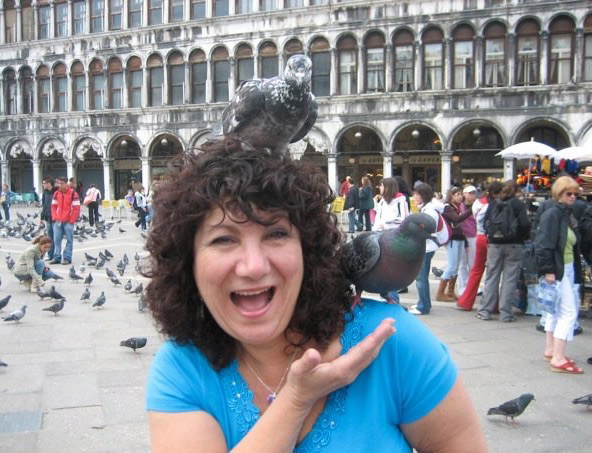
“There have been people who survived way beyond what the statistics say. I plan on being one of those. I have a lot of people counting on me being around. I’m not going to disappoint them.”
Tina H., peritoneal mesothelioma survivor
SEER’s data from 2000-2020 show a rise in survival rates. The 1-year, 3-year and 5-year relative survival rates are trending up
The average survival after a patient’s diagnosis is 18 months, with a 1-year survival rate of 73% for pleural and 92% for peritoneal
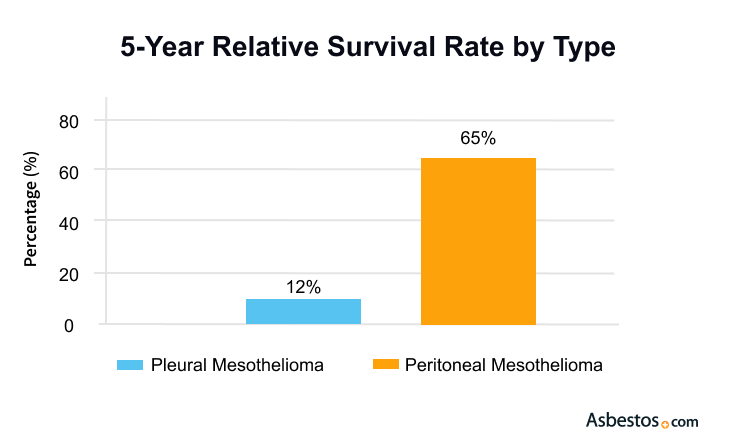
The 5-year survival rate for peritoneal mesothelioma is 65%
The 5-year survival rate for pleural mesothelioma is 12%
“What frustrates me most, and I hear this often with new patients, is, ‘I just saw my doctor today, and they said I have a year to 16 months to live.’ That is not the case. You’re an individual. This is your story.”
Karen Selby, registered nurse and Patient Advocate at The Mesothelioma Center
“People come and ask me, what can I do. I was just diagnosed with mesothelioma. What can I do to improve my chances? I tell them three things. One is exercise every day. Get up and walk. The more you walk the better it is for you both physically, also mentally. Second thing, high protein foods, that's the best diet you can do. And the third thing, even more important than nutrition and exercise, is attitude. If you have a positive attitude, then there's a chance that you can beat this cancer.”
Dr. Jacques Fontaine, director of the Mesothelioma Research and Treatment Center at Moffitt Cancer Center
“There have been people who survived way beyond what the statistics say. I plan on being one of those. I have a lot of people counting on me being around. I’m not going to disappoint them.”
Tina H., peritoneal mesothelioma survivor
SEER’s data from 2000-2020 show a rise in survival rates. The 1-year, 3-year and 5-year relative survival rates are trending up
The average survival after a patient’s diagnosis is 18 months, with a 1-year survival rate of 73% for pleural and 92% for peritoneal
The 5-year survival rate for peritoneal mesothelioma is 65%
The 5-year survival rate for pleural mesothelioma is 12%
Understanding Mesothelioma Survival Rates
Mesothelioma survival rates measure the percentage of patients still alive 1 year or more after diagnosis. The Surveillance, Epidemiology and End Results, or SEER, database tracks these figures, and clinicians use them to assess prognosis and guide treatment decisions.
The latest 5-year survival rate for pleural mesothelioma is 12%, based on the most recent SEER data. Patients with pleural mesothelioma are about 12% more likely than those without the disease to live at least 5 years after diagnosis. For peritoneal mesothelioma, SEER puts the rate much higher at 65%.
Statistics may not apply to any one individual, and some patients live far beyond what the numbers suggest. Peritoneal mesothelioma survivor Tammy Frank has been alive 25 years beyond her life expectancy.
The National Cancer Institute issues data on mesothelioma survival every few years. It does so through the SEER program. This data shows mesothelioma survival rateshave steadily improved over the past 20 years.
Source: Surveillance, Epidemiology, and End Results (SEER) Program
Do Mesothelioma Survival Statistics Apply to Me?
Mesothelioma survival rate data draws on thousands of cases and reflects averages across a broad population. Your doctor uses it to assess your prognosis for mesothelioma and identify the most appropriate treatment options, but it can’t predict your individual outcome.
Stats show younger patients survive at higher rates and tend to qualify for more aggressive treatments like surgery, for example. But survival rate data is one piece of the puzzle, and many patients outlive what the numbers suggest.
Expert Insight
What frustrates me most, and I hear this often with new patients, is, ‘I just saw my doctor today, and they said I have a year to 16 months to live.’ That is not the case. You’re an individual. This is your story.
Karen Selby, RN, Patient Advocate at The Mesothelioma Center
What Factors Affect Your Mesothelioma Survival Rates?
Survival rates for mesothelioma vary depending on the cancer’s stage, location and treatment type. Age, gender and overall health are also important factors that influence how long a person lives after a mesothelioma diagnosis.
Factors Affecting Mesothelioma Survival
Age: Younger patients have a higher survival rate of mesothelioma.
Cell type: Epithelial mesothelioma tends to respond better to treatment and has a higher survival rate.
Disease stage: As the cancer spreads, survival rates decline.
Gender: Women tend to have a higher survival rate of mesothelioma than men.
Genetics: Some genes can help mesothelioma patients live longer. For example, Black patients in certain age groups show approximately 3 percentage points higher 5-year survival rates than white patients, according to SEER data.
Location: The survival rate is higher for peritoneal mesothelioma, with a 5-year rate of 65% compared to 12% for pleural mesothelioma.
Overall health: Patients in better health tend to live longer with mesothelioma.
Type of treatment: Aggressive treatments can lead to better outcomes.
Women and younger patients tend to live longer with mesothelioma. Those with peritoneal tumors, early-stage disease or epithelioid cells often live longer, as do those who pursue multimodal therapy.
Survivor Experience
There have been people who survived way beyond what the statistics say. I plan on being one of those. I have a lot of people counting on me being around. I’m not going to disappoint them.
Tina H., peritoneal mesothelioma survivor
Verified Asbestos.com Survivor
Tumor Location and Type
About 65% of all peritoneal mesothelioma patients survive 5 years or more. This is 5 times the 5-year survival rate for pleural patients. Tumor location is one of the strongest predictors of how long a patient will live after diagnosis. Eligible patients with asbestos-related cancer in the peritoneum survive between 33 and 103 months when treated with Heated Intraperitoneal Chemotherapy or HIPEC, though outcomes vary significantly depending on how much the cancer has spread. This procedure delivers warm chemo directly into the belly after surgery to destroy remaining cancer cells.
Cancer Stage
The stage of mesothelioma at diagnosis is a strong predictor of overall survival. The SEER Program groups cancer survival rates into localized, regional and distant stages, which distills the 4 stages of pleural mesothelioma into 3. “Localized” represents stage 1, “regional” covers stages 2 and 3, and “distant” represents stage 4.
5-Year Relative Survival Rates by SEER Groupings for Mesothelioma Patients
1-Year
3-Year
5-Year
Stage 1-2
61.1%
30.7%
20.6%
Stage 3
56.7%
26.0%
13.8%
Stage 4
42.9%
15.7%
9.2%
Source:
SEER 2014–2020. Staged by SEER groupings, not TNM stage
Patients with localized mesothelioma have better survival rates than those at regional or distant stages, particularly when a mesothelioma specialist treats them quickly. Earlier-stage patients are more likely to qualify for surgery and other aggressive therapies linked to better outcomes.
Surviving Mesothelioma Book
A Survivor’s Guide to Living With Mesothelioma
Learn about Judy Glezinski’s inspiring journey as a mesothelioma survivor, and get tips on how to improve your prognosis.
The types of cells that make up a tumor impact how patients respond to treatment and how long they survive. Mesothelioma has 3 cell types, which define the key subtypes of this cancer.
Subtypes of Mesothelioma
Epithelioid: Best prognosis; surgery patients survive approximately 18 months on average.
Sarcomatoid: Poorest prognosis; average survival of 5 to 8 months.
Biphasic: Prognosis depends on the ratio of epithelioid to sarcomatoid cells; a higher epithelioid count improves survival.
Biphasic tumors have epithelioid and sarcomatoid features. Patients whose tumors consist mostly of sarcomatoid cells carry a lower life expectancy than those with a higher proportion of epithelioid cells.
Gender
Women diagnosed with mesothelioma tend to have longer survival rates compared to men. This trend holds true regardless of age, mesothelioma stage, race or treatment type. Women are also more likely to receive a peritoneal mesothelioma diagnosis. This mesothelioma type has considerably better survival than pleural disease. This higher rate of peritoneal diagnoses among women contributes to the overall survival gap between the sexes.
5-year relative survival rate for men with pleural mesothelioma
23.7%
5-year relative survival rate for women with pleural mesothelioma
12.5%
Source: SEER Explorer, November 2024 Submission (1975–2022), SEER 21 registries
Age and Mesothelioma Survival: Key Statistics
Age is a significant factor in mesothelioma survival rates. Younger people with mesothelioma have better survival outcomes compared to older patients, as younger individuals often respond better to treatment.
How Age Plays a Role
Approximately 75% of mesothelioma patients diagnosed before age 50 survive at least 1 year after diagnosis.
Younger patients are usually healthier. So, they can usually tolerate more aggressive and effective therapies. They’re also less likely to have other, lasting health issues at the same time. Older patients are more likely to have other lung diseases, diabetes or a history of cancer.
Kevin S.
Verified Asbestos.com Survivor
Pleural Mesothelioma Survivor Surpasses Average Survival
Pleural mesothelioma survivor Kevin S. far surpassed the average mesothelioma survival rate. He was initially told he only had 6 months to live before undergoing extrapleural pneumonectomy surgery. He then underwent aggressive chemotherapy and radiation regimens. Kevin told us, “I’m proof that you can survive and still live a really good life.”
Mesothelioma patients with a history of smoking, heavy alcohol use or poor diet tend to have lower survival rates. Coexisting conditions, such as heart disease and diabetes, can affect your survival as well.
Overall Health and Mesothelioma Survival
Alcohol and tobacco: Heavy alcohol use and smoking can lower mesothelioma survival.
Coexisting medical conditions: Chronic issues, such as heart or lung disease and diabetes, reduce mesothelioma survival.
Exercise: Regular exercise is vital for good health.
Genetics: Black patients in certain age groups show approximately 3 percentage points higher 5-year survival rates than white patients, according to SEER data.
Nutrition: Drinking enough water can help. A high-calorie, nutritious diet can help as well.
Good nutrition and exercise can help you live longer. A healthy diet and regular exercise help patients respond better to cancer treatment. Your genes and family history also play a role.
FREE NUTRITION GUIDE + JOURNAL
Nutrition Tips and Recipes for Mesothelioma
Access expert diet and exercise guidance designed specifically for mesothelioma patients to support treatment and overall wellness.
Mesothelioma survival rates depend on the type and stage of the cancer. Pleural mesothelioma is the most common type. It’s more aggressive and harder to detect early. Most patients live 12 to 21 months after diagnosis. Stage 1 pleural mesothelioma has an average survival of about 21 months or more, while stage 4 has an average survival of roughly 12 to 24 months.
Mesothelioma Survival Rates by Type
Type of Mesothelioma
1-Year Survival Rate
5-Year Survival Rate
Median Survival
Pleural Mesothelioma
73%
12%
12 to 21 months
Peritoneal Mesothelioma
92%
65%
3 to 5 years (with HIPEC)
Pericardial Mesothelioma
Data limited
Less than 1%
3 to 10 months
Testicular Mesothelioma
Data limited
Data limited
20 to 24 months
Source:
SEER Program, National Cancer Institute
Pleural Mesothelioma Survival Rate
The 5-year survival rate for pleural mesothelioma is 12%, and the 1-year survival rate is 73%. Most patients live 12 to 21 months after diagnosis, though outcomes vary significantly by stage. Stage 1 patients average about 21 months or more, while stage 4 patients average roughly 12 to 24 months.
Pleural mesothelioma is harder to detect early because symptoms often resemble less serious respiratory conditions. Earlier detection gives patients access to more aggressive treatments, which are consistently linked to longer survival.
Peritoneal Mesothelioma Survival Rate
The 5-year survival rate for peritoneal mesothelioma is 65%, and the 1-year survival rate is 92%, making it by far the most survivable form of the disease. Peritoneal mesothelioma responds strongly to treatment, particularly surgery combined with HIPEC.
Patients who undergo cytoreductive surgery and HIPEC survive between 33 and 103 months, with outcomes varying depending on how advanced the cancer is. Many peritoneal patients live more than 5 years after diagnosis, and long-term survival is achievable with the right treatment approach.
Pericardial Mesothelioma Survival Rate
Pericardial mesothelioma is a rare cancer that forms around the heart and carries a median survival of 3 to 10 months. Most cases go undetected until the disease is advanced, which pushes the 5-year survival rate below 1%.
Treatment for pericardial mesothelioma focuses primarily on relieving symptoms and improving quality of life. The rarity of this type limits large clinical studies, which makes precise survival data difficult to establish.
Testicular Mesothelioma Survival Rate
Testicular mesothelioma is the rarest form of the disease, and patients typically live 20 months to 2 years depending on stage and treatment. Because so few cases exist, comprehensive survival rate data remains limited.
Patients with an early-stage diagnosis have better access to surgery and other aggressive treatments, which can meaningfully extend survival. Outcomes vary widely, and individual factors such as age and overall health play a significant role.
Comparing 5-Year Survival Rates
The 5-year survival rate is 12% for pleural mesothelioma. For peritoneal mesothelioma, it’s 65%. Many peritoneal patients live more than 5 years if treated early.
We work with pleural patients who have lived more than 5 years from the time of their diagnosis. Michael Cole, for example, is a 10-year pleural mesothelioma survivor.
Peritoneal mesothelioma has a significantly higher survival rate than pleural mesothelioma.
How To Improve Your Mesothelioma Survival
Many factors can improve your personal survival and help improve the overall survival rate for mesothelioma patients. An early diagnosis and access to new treatments, such as immunotherapy and targeted therapies, play a critical role in extending survival.
Ways to Improve Mesothelioma Survival
Clinical trials: Offer access to emerging therapies, including immunotherapy and vaccines. Research shows participation can significantly improve outcomes, including extending survival.
Early detection: Earlier-stage diagnoses qualify for aggressive treatments with better outcomes.
Healthy lifestyle: Regular exercise and a high-calorie diet support treatment response and overall health.
Nutrition: Healthcare teams treating mesothelioma patients report that nutritional status has a significant impact on survival outcomes, as reported in a 2024 qualitative insights report in the journal Lung Cancer.
Specialized mesothelioma treatment centers: Patients who received both surgery and chemotherapy survived an average of 21.7 months, compared to 11.4 months for those who received chemo alone.
Your prognosis isn’t based only on mesothelioma survival stats. A 5-year survival rate doesn’t show how mesothelioma cancer symptoms may affect your quality of life. Each person reacts differently to treatment.
A recent study of pleural patients who received surgery, chemotherapy and radiation lived around 21.7 months. Those who decided against treatment reported an overall survival of 10.2 months.
Your prognosis isn’t based only on mesothelioma survival stats. A 5-year survival rate doesn’t show how mesothelioma cancer symptoms may affect your quality of life. Each person reacts differently to treatment.
A new clinical trial at the University of Chicago is testing whether a smaller, symptom-focused surgery can help pleural mesothelioma patients maintain quality of…
Mesothelioma Long-Term Survival and Recent Advances
Your overall health and treatment for mesothelioma may help you live longer than the survival rates suggest. The 5-year survival rates don’t consider the most recent advances in medicine.Statistics may be a source of comfort for some people and confusing or frightening for others. Those diagnosed today may have more therapy choices and a better chance of survival. New treatments are helping people live longer.
Exclusive Content
| Mesothelioma Survivors: Beating the Odds
The doctors who originally diagnosed the condition, they believed that I would have less than six months to live.
It was the day that I went to Doctor. Google to find out all about mesothelioma. What Doctor. Google told me on the day that I looked at was I had ninety days of life following the diagnosis of mesothelioma. I’m now here after four years, and I’m stronger than ever.
Don’t believe all the horror stories. Take this as your own personal journey, not as somebody else’s journey that you’re hitching a ride on.
Catch your breath and then start asking yourself questions.
What is my next step? What should I be doing? First was a place, a center that I could go to to receive treatment. And once we had that scheduled, then at least I knew that I was going be looked at and that we’re going to figure out what was the right thing for me.
It’s been more a case of accepting what’s happening, but at the same time not giving up. It’s more a matter of I do what I need to do day to day and maybe something as difficult after the surgery is finding a way to manage pain and to continue breathing. It can be taking my medicine, it can be eating, it can be all of these things whether I feel like it or not.
I am most proud of pushing myself, pushing myself to go for that walk when I didn’t want to, pushing myself to eat food where I felt like it just wasn’t going to sit well, but I knew that I had to eat. This is what you need to do. You didn’t get this far to not keep doing what you need to do to get better.
There have been times that I was not able to do these things on my own and I really depended on my wife to help me.
If you have family support, take what you can. If somebody offers to help, this is really difficult for me, say yes. They were there every day. I don’t know how I would have been able get through it without the support that they gave me.
It is entirely possible that you will live a long, productive, happy life after your diagnosis. Your life is not over.
I want the people who are following me who found out about it last week that they might be able to live four or five or six or ten years. It’s a condition I have, but it’s not a condition I’m going to surrender to.
“We had been living a ‘live the year’ type of thing. But after recovery, now it’s not only that we have a bucket list. We have a ‘we’re going to do this’ list,” Brunilda Villareal, the wife of a mesothelioma survivor, told us. “Tomorrow is very important. It’s sacred.”
A Phase II trial of the UV1 cancer vaccine combined with immunotherapy reduced the risk of death by 27% in pleural mesothelioma patients, extending median survival to 15.4 months compared to 11.1 months for immunotherapy alone.
Trials of new approaches aiming to improve life expectancy are ongoing. And many factors affect an individual’s personal life expectancy including how early someone is diagnosed.
“New therapies, like immunotherapy and vaccines, are changing how we treat cancer. “Hopefully, these trends will lead to longer survival and a cure.”
Dr. Daniel Landau,
medical director of virtual hematology at the Medical University of South Carolina in Charleston
Common Questions About Mesothelioma Survival Rates
What is the average mesothelioma survival rate?
Based on tumor location alone, survival rates vary. The average 5-year survival rate for pleural mesothelioma is about 12%. For peritoneal mesothelioma, it’s 65%. Cell type, mesothelioma stage, age, gender and overall health also influence the survival rate.
What is the peritoneal mesothelioma survival rate?
The 5-year survival rate for peritoneal mesothelioma is 65%, compared to 12% for pleural mesothelioma. Eligible patients who undergo cytoreductive surgery and heated intraperitoneal chemotherapy (HIPEC) survive between 33 and 103 months, with outcomes varying by disease burden.
Can you survive mesothelioma?
Some mesothelioma patients have survived more than 10 years after diagnosis. While there is no cure, remission is possible and survival rates have improved over the past 20 years. While most mesothelioma patients only survive approximately 12 months after diagnosis, treatment may extend mesothelioma survival and there have been advances in care.
How does the survival rate of mesothelioma compare to the lung cancer survival rate?
The 5-year survival rate for mesothelioma patients is about 12%. The 5-year survival rate for lung cancer patients is about 26.6%.
How does the survival rate of mesothelioma compare to the lung cancer survival rate?
The 5-year survival rate for mesothelioma patients is about 12%. The 5-year survival rate for lung cancer patients is about 26.6%.
How can treatment improve mesothelioma survival?
Patients who received both surgery and chemotherapy survived an average of 21.7 months, compared to 11.4 months for those who received chemotherapy alone. Working with a mesothelioma doctor and undergoing multimodal treatment can extend lifespans for many people.
Multimodal therapy combines treatments such as surgery, chemo, immunotherapy or radiation. For peritoneal mesothelioma, patients are known to survive multiple years with cytoreductive surgery and heated intraperitoneal chemotherapy. Clinical trials are also available when standard options are no longer effective.
What is the longest someone has lived with mesothelioma?
There are survivors who have lived more than 10 years and, in very rare cases, more than 20 years with mesothelioma. The longest-living survivors generally are diagnosed early, have the epithelioid mesothelioma cell type and receive treatment from a specialized mesothelioma center.
Recommended Reading
Your web browser is no longer supported by Microsoft. Update your browser for more security, speed and compatibility.
If you are looking for mesothelioma support, please contact our Patient Advocates at (855) 404-4592
I just want to take this time to thank Mesothelioma Center for all the information you provide. The survival stories are inspiring and give hope where hope is needed! Thanks to you I have met many others on the site and continue to converse with them. Keep up the good work. I am always looking forward to your posts!
Contacted this group simply because there was nothing to lose by doing so, and I am grateful that I did. They provided guidance, support, assistance - and most importantly - genuine hope and reassurance. Any rating less than 5 stars would be grossly false.
After my dad was diagnosed with Mesothelioma recently I started searching the web to find out more about this disease. I filled out a random survey and was contacted by Dr. Smart the very next day. We had a very pleasant conversation during which she provided me with essential and very helpful information regarding this horrible diagnosis. She was very caring, compassionate, and genuine throughout my dealings with her and the organization. My dad is doing well for now and she personally checks in to get updates on his treatment and condition. I would highly recommend Dr. Smart and The Mesothelioma Center if you or your family member has been affected by Mesothelioma or if you simply want to learn about this disease.
Selby, K. (2026, October 9). Mesothelioma Survival Rate. Asbestos.com. Retrieved October 21, 2026, from https://www.asbestos.com/mesothelioma/survival-rate/
MLA
Selby, Karen. "Mesothelioma Survival Rate." Asbestos.com, 9 Oct 2026, https://www.asbestos.com/mesothelioma/survival-rate/.
Chicago
Selby, Karen. "Mesothelioma Survival Rate." Asbestos.com. Last modified October 9, 2026. https://www.asbestos.com/mesothelioma/survival-rate/.
Asbestos.com is the nation’s most trusted mesothelioma resource
The Mesothelioma Center at Asbestos.com has provided patients and their loved ones the most updated and reliable information on mesothelioma and asbestos exposure since 2006.
Our team of Patient Advocates includes a medical doctor, a registered nurse, health services administrators, veterans, VA-accredited Claims Agents, an oncology patient navigator and hospice care expert. Their combined expertise means we help any mesothelioma patient or loved one through every step of their cancer journey.
More than 30 contributors, including mesothelioma doctors, survivors, health care professionals and other experts, have peer-reviewed our website and written unique research-driven articles to ensure you get the highest-quality medical and health information.
About The Mesothelioma Center at Asbestos.com
Assisting mesothelioma patients and their loved ones since 2006.
Helps more than 50% of mesothelioma patients diagnosed annually in the U.S.
A+ rating from the Better Business Bureau.
5-star reviewed mesothelioma and support organization.
My family has only the highest compliment for the assistance and support that we received from The Mesothelioma Center. This is a staff of compassionate and knowledgeable individuals who respect what your family is experiencing and who go the extra mile to make an unfortunate diagnosis less stressful. Information and assistance were provided by The Mesothelioma Center at no cost to our family.
Professional Contributors Featured In This Article
We Thoroughly vet individuals who are experts in their field to contribute to articles on Asbestos.com. We believe in the integrity and quality of our educational materials, and only publish information that is relevant, factual, and backed by experts.
Dr. Landau is the Medical Director of Virtual Hematology at the Medical University of South Carolina, where he leads programs that expand access to cancer care through telehealth. With more than 18 years of experience in oncology and hematology, he specializes in hematologic and genitourinary cancers, including bladder, prostate and kidney cancers. He has held multiple leadership roles in cancer program development and previously served as section chief of hematology and oncology at Orlando Health UF Health Cancer Center, where he founded its telehealth program.
Fact-checked and verified content:
Our fact-checking process begins with a thorough review of all sources to ensure they are high quality. Then we cross-check the facts with original medical or scientific reports published by those sources, or we validate the facts with reputable news organizations, medical and scientific experts and other health experts. Each page includes all sources for full transparency.
Please read our editorial guidelines to learn more about our content creation and review process.



 Karen Selby, RN , Patient Advocate at The Mesothelioma Center
 Tina H. , peritoneal mesothelioma survivorVerified Asbestos.com Survivor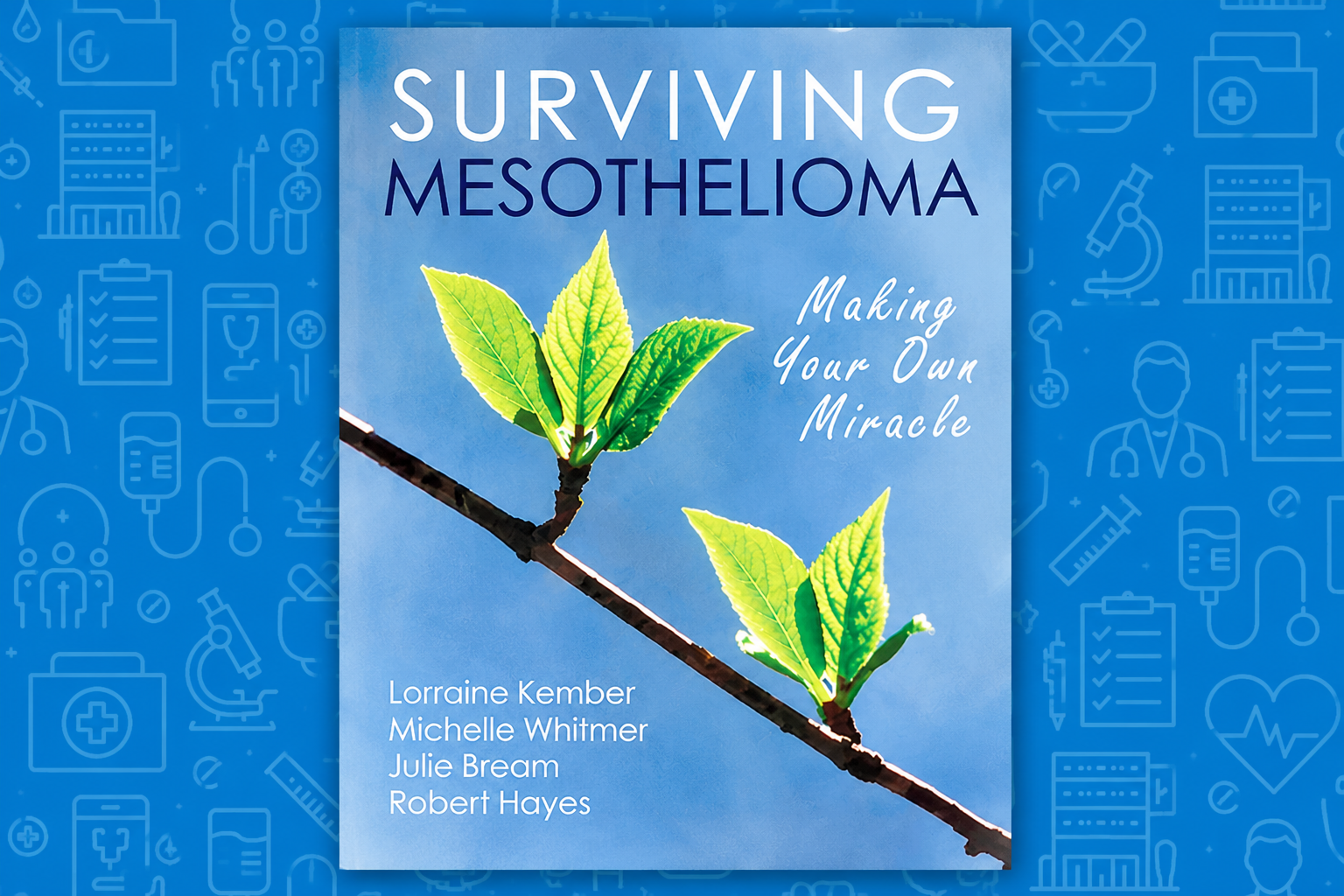


 Trial Tests Limited Surgery for Unresectable Pleural Mesotheliomanews
 Sean Marchese 04/16/2026


