What Are the Differences Between Pleural Mesothelioma and Peritoneal Mesothelioma?
2:55

Expert Take

Dr. Charles Conway: Differences Between Peritoneal & Pleural Mesothelioma

Peritoneal mesothelioma is different than pleural mesothelioma essentially because it's just a different site in the body.

It's a cancer that comes from the same cell of origin, the mesothelium cell.

You can get cancer from really any cell in your body. You can get cancer in bone cells, fat cells, muscle cells.

But in this particular case, there's a layer of cells both in the chest as well as in the abdomen that have a lining function that regulate the passage of fluid across the membrane into the cavity or out of the cavity. And then also allow tissues to slide easily without getting stuck, which is, of course, really important when you breathe or when the bowels move around. But you have these same cells in the lining of the abdominal cavity as you do have lining the chest cavity, so you can get mesothelioma in the abdomen as well as in the chest.

[MUSIC PLAYING]

Mesothelioma of the peritoneal cavity only makes up about 20% to 30% of all the mesothelioma cases in the US. That comes out to an incidence of about 400 new cases per year. Likely, it's just that the peritoneal lining is less commonly exposed to asbestos than the lining of the thoracic cavity where the fibers are easily inhaled.

[MUSIC PLAYING]

I try to, first, tell them that they certainly have treatment options. A lot of folks in the medical community still are fairly nihilistic about this disease. So the first thing I like to tell them is that they certainly do have options.

Essentially without treatment, the median survival is a year or maybe a little bit less. With good treatment that we use now, that median survival can actually be several years.

[MUSIC PLAYING]

First and foremost, you need to make sure the diagnosis is correct. So you need a pathologist that's comfortable making that kind of a diagnosis. There are some other tumor types that sometimes are mistaken for mesothelioma. So a path review I think is important.

The next thing certainly is need to be in a place that has a multidisciplinary treatment team that can discuss your case, look at the imaging, and then come up with a plan that would be best on an individual basis for someone with malignant peritoneal mesothelioma, good infrastructure to be able to make that possible, surgeons that are comfortable with difficult complex cases, a place where folks aren't terribly pessimistic or nihilistic and are willing to try treatments for this difficult to treat disease.

What Is Peritoneal Mesothelioma?

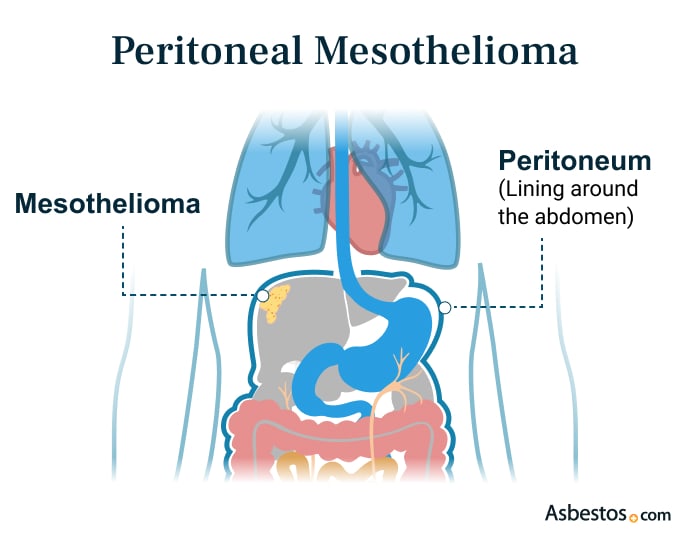
Peritoneal mesothelioma, also called abdominal mesothelioma, is a rare asbestos-related cancer that forms in the peritoneum. The peritoneum is the thin tissue lining the abdominal cavity and organs in your belly. Irritation from asbestos exposure causes mesothelioma tumors to grow in this lining.

Key Facts About Peritoneal Mesothelioma

  • About 65% of patients with peritoneal mesothelioma live for 5 years or more.
  • Approximately 400 to 1,000 new cases are diagnosed annually.
  • Patients often have a better prognosis than pleural mesothelioma.
  • The average life expectancy without any treatment is 6 months.

Irritation from asbestos exposure is the primary cause. The most common symptoms of peritoneal mesothelioma are stomach pain, swelling, digestive problems and weight loss. Treatments include surgery, chemotherapy or immunotherapy to help control the disease and improve quality of life. Patients can improve their symptoms and prognosis with treatments like HIPEC, a combination of surgery and heated chemotherapy.

Tamron Little

Experience From a Mesothelioma Survivor

When I was first told I had peritoneal mesothelioma, I pictured the day when I would be cancer free. It gave me something to look forward to. According to recent studies, the average mesothelioma life expectancy is 12 to 21 months, and here I am, 14 years later. It’s very rare for a peritoneal mesothelioma patient to live this long. Therefore, getting to cancer remission for me was a goal I was well intending to reach. And I did

Tamron Little, peritoneal mesothelioma survivor

Peritoneal Mesothelioma vs. Other Abdominal Cancers

Several cancers affect the abdominal cavity, but peritoneal mesothelioma isn’t the same as ovarian, colorectal or appendiceal cancer. Those cancers spread to the peritoneum from other parts of the body. Peritoneal mesothelioma starts in the peritoneal lining and requires a different treatment approach.

Why These Cancers Get Misdiagnosed

Peritoneal mesothelioma shares many symptoms with other abdominal cancers. Ascites, abdominal pain and bloating all appear in several conditions. CT scans and imaging tests can look nearly identical across these diagnoses. This overlap makes peritoneal mesothelioma one of the most commonly misdiagnosed cancers. Multiple peer-reviewed case reports confirm that peritoneal mesothelioma initially presented as ovarian cancer, where tissue biopsy later corrected the diagnosis.

Doctors may also struggle to distinguish peritoneal mesothelioma from ovarian cancer in women because both conditions affect the same region and share symptom profiles. In men, doctors sometimes mistake it for colorectal or appendiceal cancer that has spread to the peritoneum.

How Doctors Tell Them Apart

A tissue biopsy is the only reliable way to confirm a peritoneal mesothelioma diagnosis. Pathologists use a panel of immunohistochemical markers, specific proteins that appear in mesothelioma cells but not in other cancer cells, to distinguish peritoneal mesothelioma from ovarian, colorectal and appendiceal cancers. No single marker confirms mesothelioma on its own. Doctors use a combination of positive mesothelioma markers and negative carcinoma markers to reach an accurate diagnosis.

Getting the right diagnosis matters. Each cancer has a different treatment plan. A misdiagnosis can delay the right care and affect outcomes. If you have a history of asbestos exposure and received an abdominal cancer diagnosis, ask your doctor about getting a second opinion from a peritoneal mesothelioma specialist.

What Are the Symptoms of Peritoneal Mesothelioma?

Common symptoms of peritoneal mesothelioma include abdominal pain, bloating and fluid buildup. Fluid in the belly puts pressure on internal organs, causing pain and discomfort. 

Peritoneal Mesothelioma Symptoms

  • Abdominal pain 
  • Abdominal swelling or bulging
  • Altered bowel movements
  • Anemia
  • Blockage in the small intestine
  • Bowel obstruction
  • Chest pain
  • Difficulty breathing
  • Fatigue and weakness
  • Fluid buildup in the abdomen (ascites)
  • Loss of appetite
  • Nausea and vomiting
  • Night sweats
  • Unexplained fever
  • Unexplained weight loss

Epifanio Figueroa tells us his first sign of peritoneal mesothelioma was abdominal swelling. He shares, “It started with my stomach growing, and it didn’t stop getting bigger. It was liquid that was being accumulated. It was from mesothelioma, but we didn’t know that at the time.”

Early-stage mesothelioma affects the digestive system, including changes in bowel habits. Other signs of mesothelioma are weight loss or fever. Most symptoms appear in later stages of the disease. 

Late-stage mesothelioma usually includes significant abdominal pain, fluid buildup, weight loss, fatigue, nausea and vomiting. A 2023 report in Radiology Case Reports also discussed the risk of bowel obstruction with peritoneal mesothelioma. Rare and severe symptoms include, blood clots and fluid buildup in other places such as around the lungs (pleural effusion) or sac around the heart (pericardial effusion).

Our annual and exclusive 2025 State of Mesothelioma report reflected the same common peritoneal symptoms among more than 200 patients, doctors, survivors and caregivers surveyed. Fatigue and weight loss were the most common peritoneal symptoms reported among men and women with mesothelioma.

Common Peritoneal Symptoms by Gender
Symptom Percentage of Males Percentage of Females
Abdominal Pain 68% 74%
Fatigue 75% 80%
Weakness 62% 66%
Loss of appetite 54% 60%
Unexplained weight loss 60% 65%
Bowel obstruction 38% 42%
Fever 27% 33%
Source: The Mesothelioma Center at Asbestos.com, 2025

When to See a Doctor

See a doctor if you have persistent abdominal pain, bloating or unexplained digestive issues. If you have a history of asbestos exposure, consider seeing a mesothelioma specialist for evaluation.

Causes of Peritoneal Mesothelioma

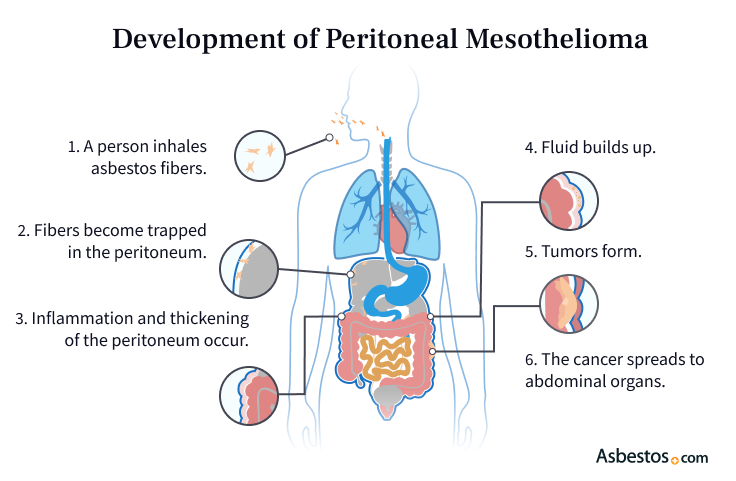
How peritoneal mesothelioma develops from asbestos fibers.
Diagram shows how asbestos fibers cause peritoneal mesothelioma.

The main cause of peritoneal mesothelioma is breathing in or swallowing asbestos fibers. 

These tiny fibers can travel into the belly and get stuck in the peritoneum. After 20 to 60 years, they can cause irritation and damage that may lead to cancer. This slow process is called the latency period, and it can take many years to happen.

If you have a history of asbestos exposure, let your doctor know. You could be at a higher risk of developing peritoneal or pleural mesothelioma, which develops in the lining of the lungs and is the most common type of mesothelioma. Your doctor may recommend regular mesothelioma screenings for you.

500+ SPECIALISTS AVAILABLE
Get to the Right Mesothelioma Specialist, Faster

Connect with top-rated doctors specializing in mesothelioma treatment, who will personalize treatment options based on your diagnosis.

Find Your Specialist

Risk Factors for Peritoneal Mesothelioma 

Exposure to asbestos is the largest risk factor for peritoneal mesothelioma. Most people are exposed to asbestos at work. Duration and intensity of the exposure play a key role in the likelihood of the disease developing. There is no safe level of asbestos exposure. Even short-term exposure isn’t safe.

Common Risk Factors for Peritoneal Mesothelioma

  • Age
  • Duration of asbestos exposure
  • Exposure to radiation
  • Family history
  • Gender
  • Genetics 
  • Occupation

Asbestos exposure can also occur from contaminated talcum powder. Talc is often mined next to naturally occurring asbestos, which can lead to contaminated talc products such as baby powder, a cause of increased mesothelioma rates in women. 

We spoke to mesothelioma survivor James D. about his peritoneal mesothelioma. He told us the exposure happened while working as a mechanic in Chicago. Many survivors also tell us they were exposed to asbestos while serving in the U.S. Armed Forces.

Family members of workers can face secondary asbestos exposure when fibers are brought home on clothing, hair, or skin. Everyday activities such as doing laundry, hugging a loved one, or handling contaminated gear can release asbestos fibers and increase risk.

Secondary Exposure Matters

Family members of workers can face secondary asbestos exposure when fibers are brought home on clothing, hair, or skin. Everyday activities such as doing laundry, hugging a loved one, or handling contaminated gear can release asbestos fibers and increase risk.

How Is Peritoneal Mesothelioma Diagnosed?

A biopsy is the only test that can confirm a peritoneal mesothelioma diagnosis. Imaging and blood tests may suggest disease, but diagnosis always requires a tissue sample examined by a pathologist. The diagnostic process usually begins with a physical exam where your doctor will feel for any abnormalities in your belly. Imaging tests like X-rays and blood tests may then be ordered.

Diagnostic Tests for Peritoneal Mesothelioma

  • Biopsy: A small sample of your tissue or fluid is collected to check for cancer cells.
  • Blood tests: Samples of your blood are studied for signs, called “biomarkers,” of specific diseases. For example, mesothelin, fibulin-3 and CA125 are proteins often found in higher amounts in people with mesothelioma. 
  • Imaging tests: X-rays, CT scans, MRIs or PET scans can show if there are abnormalities or mesothelioma tumors and help determine how far they’ve spread in your body.

Dr. Anton Strocel, who treated Trina Reif, a 20-year survivor of peritoneal mesothelioma, tells us, “She presented to me with unexplained ascites.” Ascites is the buildup of excess fluid in the belly. Trina then had an exploratory laparotomy and peritoneal biopsies before her diagnosis was confirmed. 

Epifanio Figueroa - Walk us through your mesothelioma diagnosis and treatment

Survivor Story

Epifanio Figueroa: Walk us through your peritoneal mesothelioma diagnosis and treatment

It started with my stomach growing.

Being getting bigger, and it didn’t stop getting bigger.

So then we went to the doctor, and it It was always liquid that was being, accumulated. It’s not in the stomach. It’s in between It’s in between the stomach and the skin.

It’s a layer in between.

And that is actually caused by mesothelioma, but we didn’t know that at that at the time. So we went to a hospital called Memorial West in Florida.

And from there, they they told us, we can’t we we’re not sure. So We went to Cleveland Clinic, and they, diagnosed us with that, with that.

That was in nineteen- 2016.

And, from 2016, We went to Brigham.

And, there I got six chemo there.

When I was in my six chemotherapy, I felt that Actually, I was dying because of the chemo, and I stopped.

I told him I didn’t want any more home.

And, actually, they weren’t that happy with it, that I stopped and I told him that I didn’t want any more chemo.

But from then on, I started feeling better.

A small sample of tissue from your biopsy is sent to a pathologist. The pathologist will then look at the tissue under a microscope to see if mesothelioma cells are present and to confirm your mesothelioma diagnosis. The specific type of mesothelioma cells found will also be included in your pathology report. Mesothelioma cells include: epithelioidsarcomatoid or biphasic (a mix of both). Each cell type grows and spreads differently, so knowing this helps your doctor choose treatments most likely to work best for you.

Finding peritoneal mesothelioma early is important but often hard. Symptoms can take 20 to 60 years after exposure to appear and when they do, they can look like signs of other common illnesses.

FREE MESOTHELIOMA TREATMENT GUIDE
Expert Guidance for Your Mesothelioma Journey

Get answers about treatment, top doctors, and clinical trials from the nation’s most trusted mesothelioma resource.

Get Your Free Guide

Staging Peritoneal Mesothelioma

Peritoneal mesothelioma staging shows how far the disease has spread. The Peritoneal Cancer Index is the system most used to stage peritoneal mesothelioma. PCI measures the size and spread of tumors in the abdomen. This information can help determine treatment options. 

In stage 1, or early-stage peritoneal mesothelioma, the cancerous tissue is small. Tumors are only within the abdominal lining, and lymph nodes are free of cancer. In stage 2, or mid-stage peritoneal mesothelioma, cancerous tissue is moderate. Tumors haven’t spread outside the lining or into lymph nodes. The cancerous tissue spreads more widely during stages 3 and 4, or late-stage mesothelioma.

Peritoneal surgeon Dr. Mohamed Abdelgadir Adam at the University of California San Francisco and other researchers announced in 2026 that they are proposing a new way of staging peritoneal mesothelioma. The new approach uses a “survival tree” model. It analyzes which combinations of tumor characteristics most strongly predict patient survival. Patients within each stage have more similar outcomes, making it easier for doctors to explain what to expect and how to plan appropriate treatment.

Stage 1 of Peritoneal Mesothelioma
Early-Stage

In early-stage peritoneal mesothelioma or stage 1, cancerous tissue is minimal. Tumors are only within the abdominal lining and lymph nodes are free of cancer.

Stage 2 of Peritoneal Mesothelioma
Mid-Stage

In mid-stage peritoneal mesothelioma or stage 2, cancerous tissue is moderate. Tumors haven’t spread outside the lining or into lymph nodes.

Stage 3 of Peritoneal Mesothelioma
Late-Stage

In late-stage mesothelioma, also known as stage 3 or stage 4, cancerous tissue is more extensive.

Treatments for Peritoneal Mesothelioma

Common peritoneal mesothelioma treatment options include surgery, chemotherapy (often HIPEC) and emerging therapies like immunotherapy. Your doctor might suggest a treatment plan that combines several therapies.

Common Peritoneal Mesothelioma Treatments

  • Chemotherapy: Chemo drugs target peritoneal mesothelioma cells. They enter these cells, kill them and stop their spread. This is the most common treatment for peritoneal mesothelioma.
  • HIPEC: Hyperthermic Intraperitoneal Chemotherapy delivers drugs directly to the abdomen during surgery. Doctors infuse and circulate the drugs throughout your belly to target any remaining cancer cells.
  • Immunotherapy: Drugs such as Opdivo (nivolumab) and Yervoy (ipilimumab) boost the immune system to find and fight cancer cells. Immunotherapy uses your own body’s defenses against disease.
  • Palliative care: This includes less invasive versions of treatments such as chemo, immunotherapy and surgery with curative treatments to control symptoms. These options help manage pain and improve quality of life.
  • Radiation: This uses high-energy particles or X-rays to kill cancer cells. Doctors can combine it with chemo or immunotherapy to improve survival and relieve symptoms.
  • Surgery: Surgeons perform cytoreductive surgery to remove as much tumor as possible before HIPEC. A surgical peritonectomy removes the peritoneal lining. Surgeons also often perform an omentectomy to remove the fatty tissue of the abdomen.
  • Targeted therapy: These treatments focus on specific genetic changes in cancer cells. Your doctor can use genetic testing to find which treatment may work best for your disease.

Talk to your doctor about which treatments fit your diagnosis and overall health. A specialist at a high-volume peritoneal mesothelioma center can help you understand all your options.

CRS+HIPEC: The Gold-Standard Treatment

Cytoreductive surgery combined with HIPEC is the most effective treatment for eligible patients with peritoneal mesothelioma. The procedure works in 2 steps. First, surgeons remove as much visible tumor as possible. Then, they circulate heated chemo drugs directly inside the abdomen for 1 to 2 hours to destroy any remaining cancer cells.

Multiple studies show that patients who receive CRS+HIPEC live significantly longer than those who receive chemo alone. Patients who don’t qualify for surgery live an average of 13 months with chemo. Research consistently shows that patients who achieve complete tumor removal during CRS have significantly better outcomes.

Who Qualifies for CRS+HIPEC?

Not every person with peritoneal mesothelioma qualifies for CRS+HIPEC. Doctors consider several factors when evaluating eligibility.

Factors to Consider for CRS + HIPEC

  • Cell type: The epithelioid cell type has better outcomes and is more likely to qualify for surgery.
  • Lymph nodes: No cancer in the lymph nodes or distant spread improves eligibility.
  • Overall health: Patients need to be healthy enough to tolerate a long, complex surgery.
  • Tumor spread (PCI score): The Peritoneal Cancer Index measures how far tumors have spread. Scores of 20 or below are typically suitable for CRS+HIPEC, though some specialized centers may consider scores of 24 to 26.

A specialist at a high-volume peritoneal mesothelioma center will assess these factors. If you don’t qualify for surgery right away, neoadjuvant therapy (treatment before surgery) may help reduce tumor size enough to make CRS+HIPEC possible.

HIPEC Drug Regimens

The most common drugs doctors use during HIPEC for peritoneal mesothelioma are cisplatin, mitomycin C (MMC) or a combination of cisplatin and doxorubicin. Your doctor will recommend the regimen that best fits your health profile and tumor characteristics.

Treatment Decision Guide

Your treatment path depends on your health, stage and tumor characteristics. Here’s a simple overview.

Choosing Your Treatment

  • All patients: Ask your doctor about open clinical trials. New treatments continue to improve outcomes for peritoneal mesothelioma.
  • Eligible for surgery: CRS + HIPEC is the first-line recommendation. Your team will plan surgery at a specialized center.
  • Not eligible for surgery: Systemic chemo and/or immunotherapy help manage the disease and extend life.
  • Not yet eligible: Neoadjuvant chemotherapy or immunotherapy may shrink tumors enough for surgery.

Dr. Joseph Skitzki, a surgical oncologist at Roswell Park Comprehensive Cancer Center, regularly performs HIPEC for his peritoneal mesothelioma patients. He tells us, “The results are quite impressive. About 80% of patients who are eligible for the treatment will be alive at 5 years, and about half of that number without any further evidence of disease.”

No matter where you fall on this list, you don’t have to make these decisions alone. Your doctor and our Patient Advocates can help you find clinical trials that are actively enrolling and may offer new options for your specific diagnosis.

Finding a Peritoneal Mesothelioma Specialist

Choosing a top mesothelioma treatment center can help you get better results. These centers often offer clinical trials and understand the unique challenges of this rare cancer to provide support for you and your family. These specialists. Our team of Patient Advocates can also connect you with the right specialist and cancer center.

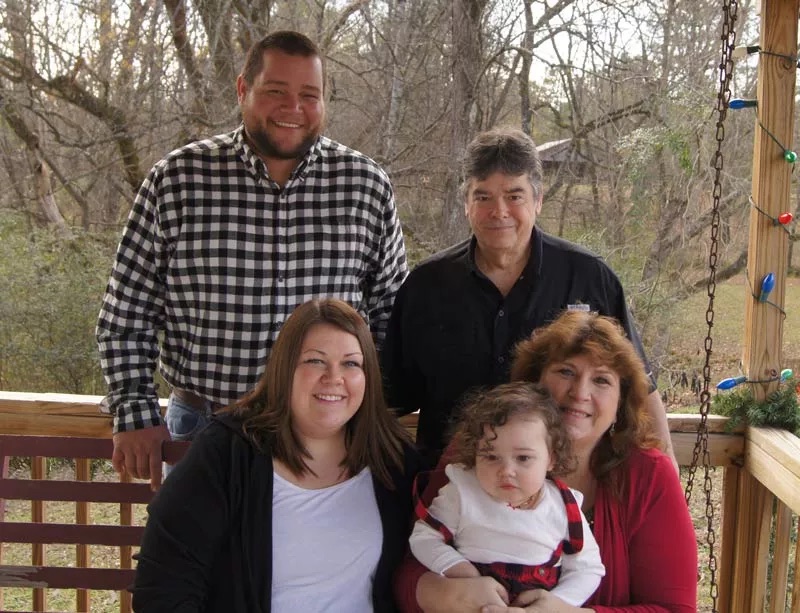
Mesothelioma survivor Tammy Frank (bottom right) and family

Tammy Frank

Verified Asbestos.com Survivor

20-Year Peritoneal Mesothelioma Survivor Celebrates Life

20-Year Peritoneal Mesothelioma Survivor Celebrates Life Tammy Frank was diagnosed with peritoneal mesothelioma in 1999. After undergoing surgery, radiation and chemo, she has become a 20+ year survivor. Tammy credits her longevity to early treatment and a deep sense of purpose.

Tammy Frank

Verified Asbestos.com Survivor
Read Tammy’s Story

Peritoneal Mesothelioma Life Expectancy & Survival Rate

The average life expectancy for peritoneal mesothelioma is about 31 months from diagnosis with today’s treatments. Patients without treatment have a life expectancy of 6 to 8 months.

This is significantly longer than the average for pleural mesothelioma, which is the most common type of this cancer and develops in the lining of the lungs. Treatment options and prompt treatment of peritoneal mesothelioma can affect your outlook or prognosis. Early detection and HIPEC surgery boost survival rates.

Peritoneal Mesothelioma Survival Rates
Treatment Approach 5-Year Survival Rate Average Life Expectancy
Cytoreductive surgery + chemotherapy 75% Varies by patient
Overall with treatment 65% 31 months
HIPEC surgery More than 50% Varies by patient
Chemotherapy alone (nonsurgical candidate) Lower than with surgery 13 months
No treatment Very low 6 to 8 months

Early detection significantly improves outcomes. People with peritoneal mesothelioma who don’t qualify for surgery live about 13 months with chemotherapy alone. Adopting healthy habits and new treatments may extend life expectancy.

Age, gender, genetics, stage, cell type and tumor location all affect prognosis. Women, for example, often have longer survival rates. However, statistics are based on large groups and can’t predict individual outcomes. Many factors affect your prognosis, and new breakthroughs continue to improve survival. Always discuss your specific case with a mesothelioma specialist.

$30B+ IN TRUST FUNDS AVAILABLE
Navigate Mesothelioma Treatment Costs

Discover financial assistance programs, insurance guidance, and veteran benefits to help cover your mesothelioma treatment expenses.

Explore Your Options

Living With Peritoneal Mesothelioma

Living with peritoneal mesothelioma takes physical and emotional strength. A solid support system of family, friends and health care providers can make a big difference. Rest, proper nutrition and gentle movement can help you feel your best.

Day-to-Day Strategies

  • Balance activity with rest and listen to your body.
  • Eat small, frequent meals with protein to manage nausea or low appetite.
  • Stay hydrated, especially if treatment affects digestion.

Peritoneal mesothelioma and its treatments can affect how your body absorbs nutrients. Working with an oncology dietitian can help you build a nutrition plan that fits your specific treatment. Asbestos.com offers a free Mesothelioma Nutrition Guide with tips from a registered nurse on what a survivor’s diet can include.

Nutrition During Treatment

Good nutrition helps your body handle treatment and supports recovery. Protein helps preserve muscle and repair tissue after surgery, chemo or radiation. Aim for high-protein foods like chicken, fish, eggs, dairy and beans. Eat colorful fruits and vegetables to support immune function. Avoid processed meats, fried foods and alcohol, as these can increase inflammation and interfere with treatment.

Peritoneal mesothelioma patients who undergo CRS+HIPEC often face digestive challenges after surgery. Reintroduce foods slowly and work closely with your care team during recovery. Some patients need to adjust their fiber intake or follow a temporary modified diet until their digestive system heals. Always talk to your doctor before making major dietary changes.

Activity and Travel

Light activity like walking, gentle stretching or yoga can reduce fatigue, improve mood and support recovery. Start slowly and increase intensity only with your doctor’s guidance. Break exercise into shorter sessions if energy runs low. Many peritoneal mesothelioma survivors stay active through modified hobbies like swimming or cycling.

If you need to travel for treatment, plan ahead. Bring a complete copy of your medical records and a list of your current medications. Ask your care team about managing symptoms and treatment schedules around travel. Our Patient Advocates can help you arrange care at a top mesothelioma treatment center near home.

Support for Caregivers

Caregivers play a vital role in the peritoneal mesothelioma journey. The physical and emotional demands of caregiving can feel overwhelming. It’s important to ask for help and share responsibilities among family members when possible. Volunteer groups can provide meals and daily support and your care team may know of local respite care resources.

The Mesothelioma Center hosts a private Mesothelioma Facebook Support Group. This group connects caregivers with others who understand what they’re going through. It’s a safe space to share experiences, ask questions and find practical support.

Emotional & Social Support

  • Join a support group to connect with others.
  • Maintain relationships through phone calls, video chats or visits to combat feelings of isolation.
  • Accept help from family or friends with meals and errands.

The Mesothelioma Center also hosts a monthly online support group for peritoneal mesothelioma patients and caregivers. A licensed mental health counselor and registered nurse lead each session.

Collaborating with your medical team helps you get the right care. Connecting with others who share your experience can ease the emotional weight of your diagnosis and help you find strength along the way.

Asbestos.com Expert Takeaway
Expert Takeaways on Peritoneal Mesothelioma
  • Updated 2025 ASCO guidelines for treating peritoneal mesothelioma recommend using a combination of chemotherapy drugs gemcitabine with either cisplatin or carboplatin.
  • Newer peritoneal mesothelioma treatment guidelines also show the diagnostic process should include a CT of the chest with contrast plus a CT or MRI of the abdomen or pelvis with contrast.
“The best treatment for peritoneal mesothelioma is a combination of HIPEC and pressurized intraperitoneal aerosolized chemotherapy, also known as PIPAC, which differs from traditional chemo because it uses pressure to turn the chemo drugs into a mist to reach the abdominal area better.”
Catherine Perrault headshot

Dr. Catherine Perrault, medical officer and board-certified family physician with The Mesothelioma Center’s Medical Outreach Team

Common Questions Our Patient Advocates Are Asked

Is there a cure for peritoneal mesothelioma?

There is no cure for malignant peritoneal mesothelioma. But it can go into remission. About 12% of peritoneal mesothelioma patients who get aggressive treatment have complete remission. Partial remission is also possible. Remission isn’t the same as a cure. Doctors watch patients closely. Cancer can return after remission. 

What questions should I ask my doctor about peritoneal mesothelioma?

Effective communication with your doctor is key. Preparing questions ahead of time helps you make the most of your appointment.

  • Has my cancer spread beyond my abdomen?
  • What are my treatment options?
  • How can I manage side effects and symptoms?
  • Do I qualify for surgery or HIPEC?
  • How can I access emerging treatments or clinical trials?

Writing down your questions also ensures you don’t forget important topics during the appointment. This approach helps you communicate effectively with care providers and gives you more control over your diagnosis and treatment.

Is peritoneal mesothelioma hereditary?

Inherited genetics don’t account for the majority of cases. Some gene changes, like BAP1, are uncommon but increase risk in certain families. If you notice BAP1 in multiple family members with mesothelioma or related cancers, consult your doctor about genetic counseling and testing. Results may help your doctors in treatment planning.

What’s the cost of peritoneal mesothelioma treatment?

Costs differ depending on the hospital, surgeon and whether or not you get CRS-HIPEC which requires an extended hospital stay. Insurance, travel, missed days of work and follow up care make the cumulative total even higher. It’s best to request a written price expectation from your surgical team for insurance pre-authorization. Financial counselors and Patient Advocates can help with resources like grants and lodging or travel amenities.

Can peritoneal mesothelioma spread to other parts of the body?

It generally develops in the peritoneal cavity and can involve adjacent organs, the omentum and lymph nodes. In more advanced situations, it can extend into the chest or other distant areas, but this is less frequent. 

Early intervention from specialists can manage and stabilize the disease, reducing progression and increasing quality of life. Report new onset abdominal pain, abdominal swelling, respiratory difficulty and unintended weight changes to your provider as soon as possible.

Recommended Reading