

Top Mesothelioma Centers in Illinois
The best Illinois mesothelioma cancer centers include the University of Chicago Comprehensive Cancer Center, the Robert H. Lurie Comprehensive Cancer Center and the Cancer Center at Illinois. The National Cancer Institute backs each of these centers, which means they meet federal standards for cancer research, multidisciplinary care and access to clinical trials.
Patients in Illinois can also receive treatment at the University of Chicago Medicine, which cares for hundreds of mesothelioma patients annually and is one of the world’s top organizations for mesothelioma research. Additionally, the Cardinal Bernardin Cancer Center at Loyola Medicine has an excellent multidisciplinary team, including medical oncologists, pulmonologists, thoracic surgeons and immunotherapy experts.

5841 S Maryland Ave, Chicago, IL 60637

2160 S. 1st Ave., Maywood, IL 60153

Locations of the Top Cancer Centers in Illinois
Patients in Illinois who need mesothelioma treatment will find two of the state’s NCI-Designated centers, the University of Chicago Comprehensive Cancer Center and the Robert H. Lurie Comprehensive Cancer Center, in Chicago. The third, the Cancer Center at Illinois, is located in Urbana.
Families who live in Central or Southern Illinois may qualify for transportation assistance to Chicago. Our Patient Advocates can also help families find regional medical oncology teams and cancer support services in cities such as Peoria, Decatur, Springfield and Carterville.
-
Loyola University Medical Center
2160 S 1st Ave
Maywood, IL 60153- Center of Excellence
-
Robert H. Lurie Comprehensive Cancer Center
675 N. St. Clair St.
Chicago, IL 60611- NCI-Designated Cancer Center
-
Rush University Cancer Center
1725 W. Harrison St.
Chicago, IL 60612 -
UChicago Medicine
5841 S Maryland Ave
Chicago, IL 60637- Center of Excellence
- NCI-Designated Cancer Center
Top Doctors in Illinois
The best mesothelioma doctors in Illinois include clinical research specialists, experts in peritoneal and pleural mesothelioma, and thoracic surgeons with experience in minimally invasive techniques. Top doctors include pleural and peritoneal specialist Dr. Hedy Kindler, pleural specialist Dr. Young Kwang Chae and peritoneal specialist Dr. Mecker Moller.
These mesothelioma specialists and others throughout Illinois practice at NCI-Designated centers, the Simmons Cancer Center, the Rush University Cancer Center and more. Some doctors have leadership roles in clinical research and participate in trials that provide patients access to treatment options that are not widely available.

Wickii Thambiah Vigneswaran
Pleural Specialist | Thoracic Surgery
Dr. Wickii Vigneswaran is an internationally renowned thoracic surgeon who specializes in pleural mesothelioma and other diseases of the chest. He is double board certified in thoracic and cardiac surgery, an expert in robotic surgery and has more than 30 years of experience treating mesothelioma.
Read Bio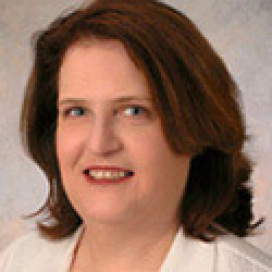
Hedy Lee Kindler
Pleural Specialist | Peritoneal Specialist | Gastrointestinal Oncology
Dr. Hedy Lee Kindler is the director of the Mesothelioma Program at the University of Chicago Medical Center. She became a leading mesothelioma researcher and oncologist after losing her father to mesothelioma. Kindler is board certified in medical oncology and internal medicine, and she specializes in gastrointestinal oncology.
Read Bio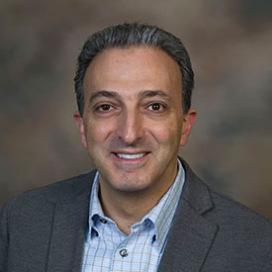
George Salti
Peritoneal Specialist | Surgical Oncology
Dr. George Salti is a surgical oncologist with extensive experience in cytoreduction with heated intraperitoneal chemotherapy (HIPEC). This treatment combination has proven effective for peritoneal mesothelioma.
Read Bio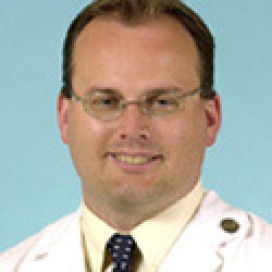
Traves D. Crabtree
Pleural Specialist | Cardiothoracic Surgery
Dr. Traves Crabtree is a cardiothoracic surgeon at the Simmons Cancer Institute with an expertise in pleural diseases, including mesothelioma.
Read BioBegin your search for a doctor in your area.
Get started by selecting location, type, specialty or language.
Clinical Trials in Illinois
Illinois is home to some of the world’s leading mesothelioma research facilities, including the University of Chicago Medicine and Northwestern University, which offer clinical trials. Your mesothelioma doctors or a Patient Advocate can connect you with active clinical trials for new medications, immunotherapies and mesothelioma treatments.
The University of Chicago Comprehensive Cancer Center has conducted groundbreaking clinical trials and revolutionized chemotherapy for mesothelioma patients, such as FDA-approved cisplatin and Alimta (pemetrexed) treatments. This combination is now the gold standard for chemotherapy care in mesothelioma treatment.
NCT05107674
A Study of NX-1607 in Adults With Advanced Malignancies
This is a first-in-human Phase 1a/1b multicenter, open-label oncology study designed to evaluate the safety and anti-cancer activity of NX-1607 in patients with advanced malignancies.
Locations
-
California (2)
- University of Southern California — Los Angeles
- University of California, San Francisco — San Francisco
-
Colorado (1)
- University of Colorado School of Medicine — Aurora
-
Illinois (1)
- University of Chicago — Chicago
-
North Carolina (1)
- University of North Carolina — Chapel Hill
-
Oklahoma (1)
- University of Oklahoma — Oklahoma City
-
Texas (1)
- MD Anderson Cancer Center — Houston
-
Virginia (1)
- University of Virginia — Charlottesville
-
Washington (1)
- Fred Hutchinson Cancer Center — Seattle
NCT01416714
Tissue Procurement for Gastric Cancer, Gastrointestinal Stromal Tumors (GIST), Esophageal Cancer, Pancreas Cancer, Hepatocellular Cancer, Biliary Cancer, Neuroendocrine, Peritoneal Mesothelioma, Anal Cancer and Colorectal Cancer in Patients Undergoing Surgery or Biopsy
The purpose of this study is to collect and store normal and malignant tissue from patients with gastric cancer, GIST, esophageal cancer, pancreas cancer, hepatocellular cancer, biliary cancer, neuroendocrine, peritoneal mesothelioma, anal cancer and colorectal cancer, an estimated 50 to 100 of each tumor type. To collect and store blood samples from patients with gastric cancer, GIST, esophageal cancer, pancreas cancer, hepatocellular cancer, biliary cancer, neuroendocrine, peritoneal mesothelioma, anal cancer and colorectal cancer. To create a database for the collected tissue and allow access to relevant clinical information for current and future protocols. To create tissue microarrays for each gastrointestinal cancer subtype, namely, gastric cancer, GIST, esophageal cancer, pancreas cancer, hepatocellular cancer, biliary cancer, neuroendocrine, peritoneal mesothelioma, anal cancer and colorectal cancer, to facilitate future molecular studies. To grant access to Dr Kindler, Dr. Salgia, and Dr. Catenacci to this database (as it is being acquired) of the coupled patient tissue samples (normal and malignant) and relevant clinical information for the investigation of tyrosine kinases, such as Met and Ron, receptor tyrosine kinase family members, STATs, paxillin, focal adhesion proteins, cell motility/migration proteins, tyrosine/serine/threonine kinase family members, related molecules, and downstream targets implicated in the pathogenesis of GI cancers. Examples of molecular testing include evaluation of DNA mutation, alternative splice variants, protein expression and phosphorylation, and immunohistochemistry on samples. These studies will be correlated with clinical information as stated above.
Locations
-
Illinois (1)
- The University of Chicago — Chicago
NCT06566079
Study of ISM6331 in Participants With Advanced/Metastatic Mesothelioma or Other Advanced Solid Tumors
This is a Phase 1/2, open-label, multicenter, FIH study to evaluate the safety, tolerability, recommended Phase 2 dose (RP2D), PK/PD, and preliminary anti-tumor activity of ISM6331 in participants with advanced or metastatic mesothelioma or other Advanced solid tumors. The study consists of two parts, a dose escalation part (Part 1) and a dose selection expansion part (Part 2).
Locations
-
Colorado (1)
- Sarah Cannon Research Institute at HealthONE — Denver
-
Illinois (1)
- The University of Chicago Medical Center – Duchossois Center for Advanced Medicine — Chicago
-
Ohio (1)
- University Hospitals Cleveland Medical Center — Cleveland
-
Pennsylvania (1)
- University of Pennsylvania – Abramson Cancer Center — Philadelphia
-
Tennessee (1)
- SCRI Oncology Partners — Nashville
-
Texas (1)
- NEXT Oncology – Austin — Austin
NCT02012699
Integrated Cancer Repository for Cancer Research
The iCaRe2 is a multi-institutional resource created and maintained by the Fred \& Pamela Buffett Cancer Center to collect and manage standardized, multi-dimensional, longitudinal data and biospecimens on consented adult cancer patients, high-risk individuals, and normal controls. The distinct characteristic of the iCaRe2 is its geographical coverage, with a significant percentage of small and rural hospitals and cancer centers. The iCaRe2 advances comprehensive studies of risk factors of cancer development and progression and enables the design of novel strategies for prevention, screening, early detection and personalized treatment of cancer. Centers with expertise in cancer epidemiology, genetics, biology, early detection, and patient care can collaborate by using the iCaRe2 as a platform for cohort and population studies.
Locations
-
Colorado (1)
- Advent Health — Greenwood Village
-
Connecticut (1)
- Hartford HealthCare Cancer Institute at Manchester Medical Hospital — Manchester
-
Florida (5)
- Florida Hospital Memorial Medical Center — Daytona Beach
- Florida Hospital DeLand — DeLand
- Florida Hospital FISH — Orange City
- Florida Hospital Flagler — Palm Coast
- Tallahassee Memorial Hospital — Tallahassee
-
Illinois (2)
- Rush-Copley Cancer Care Center — Aurora
- Rush-Copley Healthcare Center — Yorkville
-
Indiana (1)
- Parkview Research Center — Fort Wayne
-
Iowa (2)
- Methodist Jennie Edmundson Hospital — Council Bluffs
- Covenant Medical Center, Inc — Waterloo
-
Kansas (1)
- Saint Luke's Cancer Instititute – South — Overland Park
-
Maryland (2)
- Northwest Hospital — Randallstown
- William E. Kahlert Regional Cancer Center — Westminster
-
Massachusetts (1)
- Holyoke Medical Center — Holyoke
-
Minnesota (5)
- Riverwood Healthcare Center — Aitkin
- Essentia Health-St. Joseph's Medical Center — Brainerd
- Essentia Health – Duluth Clinic — Duluth
- St. Luke's Hospital of Duluth — Duluth
- Lake Region Healthcare — Fergus Falls
-
Missouri (6)
- Saint Luke's Cancer Institute, East — Kansas City
- Saint Luke's Cancer Institute — Kansas City
- Saint Luke's Cancer Institute, Kansas City North — Kansas City
- Saint Luke's Cancer Institute, Liberty — Liberty
- North Kansas City Hospital — North Kansas City
- Heartland Regional Medical Center dba Mosaic Life Care — Saint Joseph
-
Montana (1)
- Bozeman Health Deaconess Hospital — Bozeman
-
Nebraska (6)
- Mary Lanning Healthcare, Morrison Cancer Center — Hastings
- Faith Regional Health Services, Carson Cancer Center — Norfolk
- Great Plains Regional Medical Center — North Platte
- Methodist Estabrook Cancer Center — Omaha
- Nebraska Methodist Health System — Omaha
- University of Nebraska Medical Center — Omaha
-
New York (2)
- C.R. Wood Cancer Center, Glens Falls Hospital — Glens Falls
- Faxton St. Luke's Healthcare, Mohawk Valley — Utica
-
North Carolina (1)
- Cape Fear Valley Health System — Fayetteville
-
North Dakota (2)
- Essentia Health — Fargo
- Trinity Hospital Cancer Care Center — Minot
-
Ohio (2)
- Aultman Alliance Community Hospital — Alliance
- Aultman Hospital — Canton
-
Wisconsin (1)
- Bellin Memorial Hospital — Green Bay
NCT05001880
Chemotherapy With or Without Immunotherapy for Peritoneal Mesothelioma
This phase II trial compares the usual treatment alone (carboplatin, pemetrexed, and bevacizumab) to using immunotherapy (atezolizumab) plus the usual treatment in treating patients with peritoneal mesothelioma. The usual treatment consists of surgery or chemotherapy. Carboplatin is in a class of medications known as platinum-containing compounds. It works in a way similar to the anticancer drug cisplatin, but may be better tolerated than cisplatin. Carboplatin works by killing, stopping or slowing the growth of cancer cells. Pemetrexed is in a class of medications called antifolate antineoplastic agents. It works by stopping cells from using folic acid to make deoxyribonucleic acid and may kill cancer cells. Bevacizumab is in a class of medications called antiangiogenic agents. It works by stopping the formation of blood vessels that bring oxygen and nutrients to tumor. This may slow the growth and spread of tumor. Immunotherapy with monoclonal antibodies, such as atezolizumab, may help the body's immune system attack the cancer, and may interfere with the ability of tumor cells to grow and spread. Giving atezolizumab with usual treatment may work better than usual treatment alone.
Locations
-
Illinois (7)
- Alliance for Clinical Trials in Oncology — Chicago
- University of Chicago Comprehensive Cancer Center — Chicago
- Carle at The Riverfront — Danville
- Carle Physician Group-Effingham — Effingham
- Carle Physician Group-Mattoon/Charleston — Mattoon
- Carle Cancer Center — Urbana
- The Carle Foundation Hospital — Urbana
-
Minnesota (10)
- Sanford Joe Lueken Cancer Center — Bemidji
- Mercy Hospital — Coon Rapids
- Fairview Southdale Hospital — Edina
- Abbott-Northwestern Hospital — Minneapolis
- Mayo Clinic in Rochester — Rochester
- Park Nicollet Clinic – Saint Louis Park — Saint Louis Park
- Regions Hospital — Saint Paul
- United Hospital — Saint Paul
- Rice Memorial Hospital — Willmar
- Sanford Cancer Center Worthington — Worthington
-
North Dakota (3)
- Sanford Bismarck Medical Center — Bismarck
- Sanford Broadway Medical Center — Fargo
- Sanford Roger Maris Cancer Center — Fargo
-
Ohio (1)
- Ohio State University Comprehensive Cancer Center — Columbus
-
Oklahoma (1)
- University of Oklahoma Health Sciences Center — Oklahoma City
-
Pennsylvania (1)
- UPMC Hillman Cancer Center — Pittsburgh
-
South Dakota (2)
- Sanford Cancer Center Oncology Clinic — Sioux Falls
- Sanford USD Medical Center – Sioux Falls — Sioux Falls
-
Texas (5)
- UT MD Anderson – The Woodlands — Conroe
- UT MD Anderson Cancer Center — Houston
- UT MD Anderson – West Houston — Houston
- UT MD Anderson – League City — League City
- UT MD Anderson – Sugar Land — Sugar Land
-
Wisconsin (7)
- ThedaCare Regional Cancer Center — Appleton
- Marshfield Medical Center-EC Cancer Center — Eau Claire
- Marshfield Medical Center-Marshfield — Marshfield
- Marshfield Medical Center – Minocqua — Minocqua
- Marshfield Medical Center-Rice Lake — Rice Lake
- Marshfield Medical Center-River Region at Stevens Point — Stevens Point
- Marshfield Medical Center – Weston — Weston
NCT07126509
Partial Pleurectomy (Surgery) for Unresectable Pleural Mesothelioma
Purpose of the study: The main purpose of this research study is to see if a surgery procedure (limited partial pleurectomy and decortication) helps symptoms in people who have cancer that is unresectable that might not be able to be removed completely. This is called unresectable cancer. This study will also help the research team learn more about the types of symptoms and quality of life for people who have undergone this surgery, the number of complications following , and the time from surgery to starting other therapy. Th e study team also wants to see see the overall survival of people who have had this procedure as part of their care. What will be done as part of research on this study: * Surgery (Partial Pleurectomy – surgery to remove lining of lungs) * The research team will also ask study participants questions about their symptoms through questionnaires at certain times after surgery. How long this study will last: Participation in this research (pre-surgery, surgery and follow-up) will last for about 2 years. Confidentiality: All personal information will be kept confidential, and data will be used only for research purposes. Contact Information: For more information about this study, please contact PhaseIICRA@medicine.bsd.uchicago.edu
Locations
-
Illinois (1)
- University of Chicago Medicine Comprehensive Cancer Center — Chicago
NCT06756035
CT-95 in Advanced Cancers Associated With Mesothelin Expression
This is a Phase 1a/1b, first-in-human (FIH), open-label, multi-center dose escalation and expansion study of the safety, pharmacokinetics (PK), pharmacodynamics, and antitumor activity of single-agent CT-95 in subjects with advanced (recurrent, unresectable, or metastatic) cancers associated with MSLN expression.
Locations
-
Colorado (1)
- Context Investigational Site — Denver
-
Illinois (1)
- Context Investigational Site — Chicago
-
Michigan (1)
- Context Investigational Site — Grand Rapids
-
New Jersey (1)
- Context Investigational Site — Hackensack
-
Pennsylvania (2)
- University of Pennsylvania — Philadelphia
- Context Investigational Site — Philadelphia
-
Tennessee (1)
- Context Investigational Site — Nashville
-
Texas (2)
- Context Investigational Site — San Antonio
- Context Investigational Site — San Antonio
NCT05732831
Safety and Tolerability of TNG462 in Patients With MTAP-deleted Solid Tumors
This is a first in human study in patients with advanced or metastatic solid tumors known to have an MTAP deletion. The first part of the study is an open-label, dose escalation and the second part is an open label dose expansion in specific MTAP-deleted tumor types. The study drug, TNG462, is a selective PRMT5 inhibitor administered orally. The study is planned to treat up to 225 participants.
Locations
-
California (1)
- Stanford University — Palo Alto
-
Colorado (1)
- Grand Valley Oncology — Grand Junction
-
Florida (1)
- Sylvester Comprehensive Cancer Center — Miami
-
Illinois (3)
- University Chicago Medicine — Chicago
- Carle Cancer Center — Urbana
- Midwestern Regional Medical Center, City of Hope Chicago — Zion
-
Massachusetts (2)
- Massachusetts General Hospital — Boston
- Dana Farber Cancer Institute — Boston
-
Michigan (1)
- Henry Ford Cancer Center — Detroit
-
New York (1)
- New York University Langone Health — New York
-
Tennessee (1)
- Sarah Cannon Tennessee Oncology — Nashville
-
Texas (1)
- The University of Texas MD Anderson Cancer Center — Houston
-
Utah (1)
- Huntsman Cancer Institute, University of Utah — Salt Lake City
-
Virginia (1)
- Next Oncology Virginia — Fairfax
NCT05647265
Testing the Addition of Immunotherapy Before Surgery for Patients With Sarcomatoid Mesothelioma
This phase II trial evaluates the safety and effectiveness of giving immunotherapy (nivolumab and ipilimumab) before surgery for controlling disease in patients with stage I-IIIa sarcomatoid mesothelioma. Immunotherapy with monoclonal antibodies, such as nivolumab and ipilimumab, may help the body's immune system attack the cancer, and may interfere with the ability of tumor cells to grow and spread. Giving immunotherapy before surgery may be more effective at controlling disease in patients with sarcomatoid mesothelioma than giving immunotherapy alone.
Locations
-
Alaska (6)
- Anchorage Associates in Radiation Medicine — Anchorage
- Alaska Breast Care and Surgery LLC — Anchorage
- Alaska Oncology and Hematology LLC — Anchorage
- Alaska Women's Cancer Care — Anchorage
- Katmai Oncology Group — Anchorage
- Providence Alaska Medical Center — Anchorage
-
Arizona (3)
- Kingman Regional Medical Center — Kingman
- Mayo Clinic Hospital in Arizona — Phoenix
- Mayo Clinic in Arizona — Scottsdale
-
California (6)
- PCR Oncology — Arroyo Grande
- Providence Saint Joseph Medical Center/Disney Family Cancer Center — Burbank
- UC San Diego Moores Cancer Center — La Jolla
- Providence Queen of The Valley — Napa
- Providence Medical Foundation – Santa Rosa — Santa Rosa
- Providence Santa Rosa Memorial Hospital — Santa Rosa
-
Florida (1)
- Mayo Clinic in Florida — Jacksonville
-
Idaho (5)
- Saint Luke's Cancer Institute – Boise — Boise
- Saint Luke's Cancer Institute – Fruitland — Fruitland
- Saint Luke's Cancer Institute – Meridian — Meridian
- Saint Luke's Cancer Institute – Nampa — Nampa
- Saint Luke's Cancer Institute – Twin Falls — Twin Falls
-
Illinois (15)
- Rush-Copley Medical Center — Aurora
- Northwestern University — Chicago
- University of Chicago Comprehensive Cancer Center — Chicago
- Carle at The Riverfront — Danville
- Northwestern Medicine Cancer Center Kishwaukee — DeKalb
- Carle Physician Group-Effingham — Effingham
- Northwestern Medicine Cancer Center Delnor — Geneva
- Northwestern Medicine Glenview Outpatient Center — Glenview
- Northwestern Medicine Grayslake Outpatient Center — Grayslake
- Northwestern Medicine Lake Forest Hospital — Lake Forest
- Carle Physician Group-Mattoon/Charleston — Mattoon
- Northwestern Medicine Orland Park — Orland Park
- Carle Cancer Center — Urbana
- Northwestern Medicine Cancer Center Warrenville — Warrenville
- Rush-Copley Healthcare Center — Yorkville
-
Minnesota (2)
- University of Minnesota/Masonic Cancer Center — Minneapolis
- Mayo Clinic in Rochester — Rochester
-
Montana (1)
- Saint Patrick Hospital – Community Hospital — Missoula
-
Nevada (28)
- Carson Tahoe Regional Medical Center — Carson City
- Comprehensive Cancer Centers of Nevada – Henderson — Henderson
- Comprehensive Cancer Centers of Nevada-Horizon Ridge — Henderson
- Comprehensive Cancer Centers of Nevada-Southeast Henderson — Henderson
- Oncology Las Vegas – Henderson — Henderson
- Urology Specialists of Nevada – Green Valley — Henderson
- OptumCare Cancer Care at Charleston — Las Vegas
- University Medical Center of Southern Nevada — Las Vegas
- Hope Cancer Care of Nevada — Las Vegas
- Radiation Oncology Centers of Nevada Central — Las Vegas
- Urology Specialists of Nevada – Central — Las Vegas
- Sunrise Hospital and Medical Center — Las Vegas
- Urology Specialists of Nevada – Southwest — Las Vegas
- Radiation Oncology Centers of Nevada Southeast — Las Vegas
- Comprehensive Cancer Centers of Nevada – Northwest — Las Vegas
- Oncology Las Vegas – Tenaya — Las Vegas
- OptumCare Cancer Care at MountainView — Las Vegas
- Urology Specialists of Nevada – Northwest — Las Vegas
- Alliance for Childhood Diseases/Cure 4 the Kids Foundation — Las Vegas
- Comprehensive Cancer Centers of Nevada – Town Center — Las Vegas
- Comprehensive Cancer Centers of Nevada-Summerlin — Las Vegas
- Summerlin Hospital Medical Center — Las Vegas
- Comprehensive Cancer Centers of Nevada — Las Vegas
- Comprehensive Cancer Centers of Nevada – Central Valley — Las Vegas
- OptumCare Cancer Care at Fort Apache — Las Vegas
- Hope Cancer Care of Nevada-Pahrump — Pahrump
- Renown Regional Medical Center — Reno
- Saint Mary's Regional Medical Center — Reno
-
North Carolina (3)
- Duke University Medical Center — Durham
- Duke Cancer Center Southpoint — Durham
- Duke Cancer Center Raleigh — Raleigh
-
Oregon (9)
- Saint Charles Health System — Bend
- Clackamas Radiation Oncology Center — Clackamas
- Bay Area Hospital — Coos Bay
- Providence Hood River Memorial Hospital — Hood River
- Providence Newberg Medical Center — Newberg
- Providence Willamette Falls Medical Center — Oregon City
- Providence Portland Medical Center — Portland
- Providence Saint Vincent Medical Center — Portland
- Saint Charles Health System-Redmond — Redmond
-
Texas (4)
- UT Southwestern Simmons Cancer Center – RedBird — Dallas
- UT Southwestern/Simmons Cancer Center-Dallas — Dallas
- UT Southwestern/Simmons Cancer Center-Fort Worth — Fort Worth
- UT Southwestern Clinical Center at Richardson/Plano — Richardson
-
Washington (21)
- Providence Regional Cancer System-Aberdeen — Aberdeen
- PeaceHealth Saint Joseph Medical Center — Bellingham
- Providence Regional Cancer System-Centralia — Centralia
- Swedish Cancer Institute-Edmonds — Edmonds
- Providence Regional Cancer Partnership — Everett
- Swedish Cancer Institute-Issaquah — Issaquah
- Kadlec Clinic Hematology and Oncology — Kennewick
- Providence Regional Cancer System-Lacey — Lacey
- PeaceHealth Saint John Medical Center — Longview
- Skagit Regional Health Cancer Care Center — Mount Vernon
- Valley Medical Center — Renton
- Swedish Medical Center-Ballard Campus — Seattle
- Swedish Medical Center-Cherry Hill — Seattle
- Swedish Medical Center-First Hill — Seattle
- PeaceHealth United General Medical Center — Sedro-Woolley
- Cancer Care Northwest – Spokane South — Spokane
- Cancer Care Northwest-Valley — Spokane
- Cancer Care Northwest-North Spokane — Spokane
- PeaceHealth Southwest Medical Center — Vancouver
- Providence Saint Mary Regional Cancer Center — Walla Walla
- North Star Lodge Cancer Center at Yakima Valley Memorial Hospital — Yakima
NCT07277413
A Study of IDE892 as Monotherapy and Combination in MTAP-deleted Advanced Solid Tumors
This is a multicenter clinical study to evaluate the safety, efficacy, and Pharmacokinetics (PK) of IDE892 as monotherapy and in combination with other agents including IDE397 in participants with methylthioadenosine phosphorylase (MTAP)-deleted advanced solid tumors within indications of interest.
Locations
-
Arizona (2)
- City of Hope Cancer Center-Phoenix — Goodyear
- Mayo Clinic Arizona — Phoenix
-
California (2)
- City of Hope Cancer Center-Duarte — Duarte
- Providence Medical Foundation — Santa Rosa
-
District of Columbia (1)
- Johns Hopkins Sibley Memorial Hospital — Washington D.C.
-
Florida (4)
- BRCR Global-Coral Springs — Coral Springs
- Mayo Clinic Florida — Jacksonville
- Sarah Cannon Research Institute at Florida Cancer Specialists — Orlando
- Moffitt Cancer Center — Tampa
-
Illinois (1)
- City of Hope Cancer Center-Chicago — Zion
-
Minnesota (1)
- Mayo Clinic Rochester — Rochester
-
Nebraska (1)
- Nebraska Cancer Specialists — Omaha
-
New Jersey (1)
- START Astera, LLC — East Brunswick
-
New York (1)
- Columbia University Irving Medical Center — New York
-
Pennsylvania (1)
- Sidney Kimmel Comprehensive Cancer Center Thomas Jefferson University — Philadelphia
-
Tennessee (1)
- Sarah Cannon Research Institute — Nashville
-
Texas (4)
- START Dallas Fort Worth — Fort Worth
- MD Anderson — Houston
- NEXT Oncology Houston — Houston
- NEXT Oncology Dallas — Irving
-
Utah (1)
- START Mountain Region, LLC — West Valley City
-
Virginia (1)
- NEXT Oncology Virginia — Fairfax
-
Washington (1)
- Swedish Cancer Institute — Seattle
NCT04515836
Olaparib in Patients With HRD Malignant Mesothelioma
In this study, researchers will give olaparib (a drug) to mesothelioma patients who have specific changes in their DNA (known as gene mutations). Researchers will give this drug to each patient on the study to find out if it will help the patient's tumor shrink or stop growing.
Locations
-
Illinois (1)
- University of Chicago Medical Center — Chicago
NCT04665206
Study to Evaluate VT3989 in Patients With Metastatic Solid Tumors
This is an open-label, dose escalation and expansion study to evaluate the safety, tolerability, PK, and biological activity of VT3989 administered, alone or in combination, once daily in patients with mesothelioma and/or metastatic solid tumors that are resistant to standard therapy or for which no effective standard therapy is available.
Locations
-
California (1)
- UCSF Helen Diller Family Comprehensive Cancer Center — San Francisco
-
Illinois (1)
- University of Chicago Medical Center — Chicago
-
Massachusetts (2)
- Massachusetts General Hospital — Boston
- Dana-Farber Cancer Institute — Boston
-
Minnesota (1)
- M Health Fairview University of Minnesota Medical Center — Minneapolis
-
New York (1)
- Memorial Sloan Kettering Cancer Center — New York
-
Texas (2)
- MD Anderson Cancer Center — Houston
- NEXT Oncology — San Antonio
-
Virginia (1)
- Virginia Cancer Specialists, PC — Arlington
NCT04104776
A Study of Tulmimetostat DZR123 (CPI-0209) in Patients With Advanced Solid Tumors and Lymphomas
The purpose of this open-label, first-in-human (FIH) trial is to evaluate the safety, tolerability, pharmacokinetics, pharmacodynamics, and preliminary antitumor activity of DZR123 (Tulmimetostat, CPI-0209), both as monotherapy and in combination with enzalutamide, in patients with advanced solid tumors and lymphomas.
Locations
-
Georgia (1)
- Winship Cancer Institute of Emory University — Atlanta
-
Illinois (1)
- University of Chicago Medical Center — Chicago
-
Massachusetts (1)
- Massachusetts General Hospital — Boston
-
Pennsylvania (1)
- Abramson Cancer Center of the University of Pennsylvania — Philadelphia
-
Virginia (1)
- University of Virginia Health System — Charlottesville
-
Washington (2)
- Swedish Cancer Institute — Seattle
- Fred Hutchinson Cancer Center — Seattle
NCT06057935
A Study of Additional Chemotherapy After Surgery for People With Malignant Peritoneal Mesothelioma
The purpose of this study is to find out whether intraperitoneal or intravenous chemotherapy given after cytoreductive surgery and HIPEC are effective treatments for people with malignant peritoneal mesothelioma. Outcomes will be compared by observing intraperitoneal versus intravenous treatments to analyze if one is better than the other.
Locations
-
Illinois (1)
- University of Chicago (Data Collection Only) — Chicago
-
New Jersey (3)
- Memorial Sloan Kettering Basking Ridge (Limited Protocol Activities) — Basking Ridge
- Memorial Sloan Kettering Monmouth (Limited Protocol Activities) — Middletown
- Memorial Sloan Kettering Bergen (Limited Protocol Activities) — Montvale
-
New York (4)
- Memorial Sloan Kettering Commack (Limited Protocol Activities) — Commack
- Memorial Sloan Kettering Westchester (Limited Protocol Activites) — Harrison
- Memorial Sloan Kettering Cancer Center (All Protocol Activities) — New York
- Memorial Sloan Kettering Nassau (Limited Protocol Activities) — Uniondale
-
Pennsylvania (1)
- Allegheny Health Network (Data Collection Only) — Pittsburgh
Financial Support for Treatment in Illinois
Several cancer centers and nonprofits in Illinois help mesothelioma patients who need financial assistance, including the Southern Illinois Health Cancer Institute in Carterville. Funds provide relief to patients, caregivers and family members, easing the stress that comes with treatment.
Aid programs can help with daily living expenses. This may include costs such as food and rent, emergency hospital bills, travel and lodging related to treatment.
Available Financial Aid in Illinois
- Cancer Care Specialists of Illinois Foundation: The CCSI Foundation supports Illinois cancer patients in need of financial aid. Based in Decatur, the nonprofit provides direct financial assistance and helps patients connect with other available funds, such as the Patient Access Network Foundation.
- Coach Kill Cancer Fund: This fund is available to cancer patients who receive treatment at the SIH Cancer Institute or who live in Southern Illinois, including residents of Franklin, Jackson, Jefferson and Williamson Counties. It helps with expenses related to cancer treatment, such as medical bills, co-pays, prescription costs and medical equipment.
- Lemuel Rhodes Cancer Foundation: Illinois resident Lemuel Rhodes established this foundation in his will after developing cancer and losing a brother to it. Based in Greenville, the nonprofit uses funds from the Rhodes Trust to provide financial aid to cancer patients in Bond County. Qualifying families can get money for transportation, lodging, medical supplies and other emergency cancer treatment costs that insurance does not cover.
- Montgomery County Cancer Association: Mesothelioma patients who have lived in Montgomery County for at least a year can apply for short-term financial aid. The MCCA provides a one-time $4,000 grant and additional help with transportation costs. Cancer patients can use the grant for emergency medical bills or living expenses, including rent.
Patient Advocates can help Illinois mesothelioma patients locate available financial aid and navigate the application process. There are county, state-level and national resources for cancer patients and family members. Additionally, our Veterans Department can help U.S. Veterans with mesothelioma apply for disability payments and other VA benefits.
Cancer Resources in Illinois
Mesothelioma patients, family members and caregivers in Illinois can utilize free services, support groups and educational resources. These programs offer physical, emotional and practical help, ranging from exercise therapy at Living Well to compassionate companionship at Immerman Angels.
Support Programs for Patients and Caregivers
- Firefighter Cancer Support Network: Firefighters face a higher risk of asbestos exposure and mesothelioma. FCSN offers assistance to firefighters and their families after a cancer diagnosis. Patients receive individual support from fellow firefighters and EMS personnel, including mentorship and guidance during treatment.
- Finding Hope Support Group: Located at the Springfield Memorial Hospital, this group meets to address the emotional and psychological toll of a cancer diagnosis. Finding Hope focuses on improving health and wellness through cancer education and community development.
- Imerman Angels: Based in Chicago, Imerman Angels provides personal counseling for patients and caregivers. Using a unique matching process, the nonprofit connects cancer survivors with others who have faced the same types of cancer, including mesothelioma and lung cancer. Over the years, the program’s 16,000 Mentor Angels have connected with more than 45,000 patients and caregivers.
- Lemons of Love: The Lemons of Love Center in Cook County offers free cancer support programs, private head-shaving services and wellness classes for local patients and their families. Some classes give patients a creative outlet, while others teach stress management techniques.
- Living Well: Living Well centers in Geneva and Warrenville offer free exercise assessments to cancer patients in the Chicago area. Certified professionals create 90-day programs for cancer survivors and patients undergoing active treatment, tailoring workouts to each participant’s needs. You can attend exercise classes in person or online.
- Wellness House: Based in Cook County, Wellness House offers a variety of free cancer support services in the Greater Chicago Metropolitan area. This includes support groups, family counseling, exercise programs, nutrition education and stress management classes. Specific services change periodically, ranging from massage therapy to cooking workshops for cancer recovery.
Illinois patients can also find cancer support services by dialing 211. Trained operators can connect local families with transportation assistance, AARP caregiver resources and meal programs.
What Survivors Say About Their Mesothelioma Treatment in Illinois
Our Patient Advocates have helped many mesothelioma survivors in Illinois, and these families have shared inspiring stories about the state’s top-notch care, experienced surgeons and innovative research. Leading mesothelioma treatment and support programs are available for patients at every stage of care, such as cytoreductive surgery with heated chemotherapy and clinical trials at the University of Chicago Comprehensive Cancer Center.
Survivor Experience
“I’m already supposed to be dead, according to the doctors who I saw first, but I’ve still got a long list of things to do yet,” he said. “I’ve got people to see, places to go. My glass is always half full. That’s not going to stop now.”
– F.X. D. , Peritoneal Mesothelioma SurvivorVerified Asbestos.com Survivor
Survivor Experience
“I’m a walking miracle,” Angerman said. “We all know mesothelioma doesn’t stop by itself, and that chemotherapy only does so much for so long. So there’s really no other way to explain what has happened, except that God has been good to me.”
– Kathy A. , Pleural Mesothelioma SurvivorVerified Asbestos.com Survivor


