

Top Mesothelioma Centers in Pennsylvania
The best Pennsylvania mesothelioma cancer centers offer dedicated programs for mesothelioma treatment and research. These NCI-Designated centers include university hospitals, such as the Mesothelioma and Pleural Disease Program at the University of Pennsylvania’s Abramson Cancer Center and the Mesothelioma Specialty Care program at the UPMC Hillman Cancer Center in Pittsburgh. Temple University in Philadelphia has the NCI-Designated Fox Chase Cancer Center and the Temple Health Lung Center.
These organizations can provide access to cutting-edge mesothelioma research, leading cancer specialists, minimally invasive surgery and groundbreaking clinical trials. Multidisciplinary teams that include some of the best pleural mesothelioma doctors in Pennsylvania put together tailored treatment plans that address each patient’s unique symptoms.

5115 Centre Ave Pittsburgh, PA 15224

3400 Spruce St, Philadelphia, PA 19104

320 E. North Ave., Pittsburgh, PA 15212

3401 N. Broad St., Philadelphia, PA 19140

333 Cottman Ave, Philadelphia, PA 19111

Locations of Pennsylvania’s Top Cancer Centers
Mesothelioma patients can find top-notch care at 4 NCI-Designated comprehensive cancer centers in Pennsylvania: the UPMC Hillman Cancer Center in Pittsburgh, the Fox Chase Cancer Center in Philadelphia, the Sidney Kimmel Cancer Center at Thomas Jefferson University and the Abramson Cancer Center at the University of Pennsylvania. Patients living in Western Pennsylvania can also visit the AHN Cancer Institute at Allegheny General Hospital in Pittsburgh, a leading thoracic surgery center in the United States.
-
Abramson Cancer Center at Penn Medicine
3400 Spruce St
Philadelphia, PA 19104- NCI-Designated Cancer Center
-
Allegheny General Hospital
320 E North Ave
Pittsburgh, PA 15212 -
Fox Chase Cancer Center
333 Cottman Ave
Philadelphia, PA 19111- NCI-Designated Cancer Center
-
Hillman Cancer Center
5115 Centre Ave
Pittsburgh, PA 15224- NCI-Designated Cancer Center
-
Temple Health Lung Center
3401 N. Broad St.
Philadelphia, PA 19140- Center of Excellence
- NCI-Designated Cancer Center
-
UPMC Altoona Hillman Cancer Center
620 Howard Ave
Altoona, PA 16601
Top Doctors in Pennsylvania
The best mesothelioma doctors in Pennsylvania include cancer specialists, surgeons and clinical researchers with decades of experience treating pleural or peritoneal cancers. Dr. Sunil Singhal at the Perelman Center for Advanced Medicine leads the Division of Thoracic Surgery and uses minimally invasive surgery techniques.
Dr. Giorgos Karakousis is one of the best peritoneal mesothelioma doctors in Pennsylvania. He leads the Division of Endocrine & Oncologic Surgery at the Abramson Cancer Center. Thoracic Surgeon-in-Chief Dr. Joseph Friedberg at the Temple Health Lung Center is an expert in pleural mesothelioma and often leads clinical research.
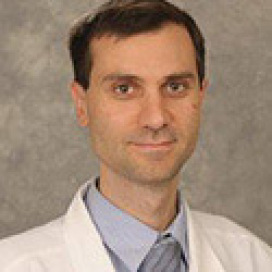
Giorgos Karakousis
Peritoneal Specialist | Surgical Oncology
Dr. Giorgos C. Karakousis is a surgical oncologist at the Abramson Cancer Center in Philadelphia, where his specialties include the treatment of peritoneal mesothelioma.
Read Bio
Keith Cengel
Pleural Specialist | Radiation Oncology
Dr. Keith Cengel is the executive director of Penn Medicine’s Mesothelioma and Pleural Diseases Program, which includes an all-encompassing, multidisciplinary approach to treatment.
Read Bio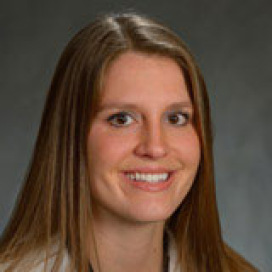
Christine A. Ciunci
Pleural Specialist | Hematology
Dr. Christine A. Ciunci is a medical oncologist with the Mesothelioma and Pleural Disease Program at Penn Medicine in Philadelphia.
Read Bio
Joseph S. Friedberg
Pleural Specialist | Thoracic Surgery
Dr. Joseph Friedberg is a renowned thoracic surgeon and pleural mesothelioma specialist at Temple Health in Philadelphia.
Read Bio
Andrew Haas
Pleural Specialist | Pulmonary Medicine
Dr. Andrew Haas is an interventional pulmonologist who focuses on thoracic oncology. He plays a key role in the Mesothelioma and Pleural Disease Program and has expertise in asbestos-related diseases. He is board certified in pulmonary medicine and orthopaedic surgery.
Read Bio
Anthony R. Lanfranco
Pleural Specialist | Pulmonology
Dr. Anthony R. Lanfranco is an interventional pulmonologist who specializes in diagnosing pleural mesothelioma at the Mesothelioma and Pleural Diseases program at Penn Medicine in Philadelphia. He is board-certified in internal medicine and pulmonary medicine.
Read Bio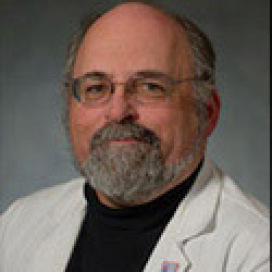
Corey J. Langer
Pleural Specialist | Thoracic Oncology
Dr. Corey J. Langer is director of thoracic oncology at the University of Pennsylvania Abramson Cancer Center in Philadelphia. He has extensive experience in treating pleural mesothelioma.
Read Bio
Edmund K. Moon
Pleural Specialist | Interventional Pulmonology
Dr. Edmund K. Moon is a respected interventional pulmonologist for Penn Medicine in Philadelphia, seeing patients with malignant pleural mesothelioma, lung cancer, asbestosis and other respiratory diseases. He also specializes in immunotherapy, bronchoscopies and pleurodesis procedures.
Read Bio
Sunil Singhal
Pleural Specialist | Thoracic Surgery
Dr. Sunil Singhal is the highly esteemed director of the Thoracic Surgery Research Laboratory at the University of Pennsylvania School of Medicine.
Read Bio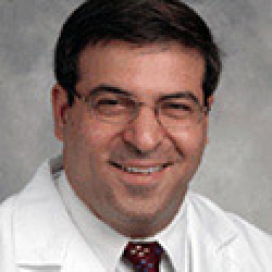
Taine Pechet
Pleural Specialist | Thoracic Surgery
Dr. Taine Pechet is chief of surgery at Penn Presbyterian Medical Center and a professor of clinical surgery at Penn Medicine in Philadelphia. He specializes in minimally invasive and robotic thoracic surgery for people diagnosed with pleural mesothelioma and other thoracic cancers.
Read BioClinical Trials in Pennsylvania
Pennsylvania is home to advanced cancer research and clinical trials. Leading researchers at Temple University’s Fox Chase Cancer Center and other NCI-Designated mesothelioma cancer centers investigate new immunotherapy drugs and surgical approaches for thoracic and peritoneal cancers. The Abramson Cancer Center is another hub for mesothelioma research, with multiple Phase I trials investigating treatments such as T-cell therapy and new medications for malignant cancers.
To locate open mesothelioma clinical trials in Pennsylvania, speak with a mesothelioma doctor or one of our Patient Advocates. These opportunities can provide access to emerging medicine and potential breakthroughs.
NCT06057935
A Study of Additional Chemotherapy After Surgery for People With Malignant Peritoneal Mesothelioma
The purpose of this study is to find out whether intraperitoneal or intravenous chemotherapy given after cytoreductive surgery and HIPEC are effective treatments for people with malignant peritoneal mesothelioma. Outcomes will be compared by observing intraperitoneal versus intravenous treatments to analyze if one is better than the other.
Locations
-
Illinois (1)
- University of Chicago (Data Collection Only) — Chicago
-
New Jersey (3)
- Memorial Sloan Kettering Basking Ridge (Limited Protocol Activities) — Basking Ridge
- Memorial Sloan Kettering Monmouth (Limited Protocol Activities) — Middletown
- Memorial Sloan Kettering Bergen (Limited Protocol Activities) — Montvale
-
New York (4)
- Memorial Sloan Kettering Commack (Limited Protocol Activities) — Commack
- Memorial Sloan Kettering Westchester (Limited Protocol Activites) — Harrison
- Memorial Sloan Kettering Cancer Center (All Protocol Activities) — New York
- Memorial Sloan Kettering Nassau (Limited Protocol Activities) — Uniondale
-
Pennsylvania (1)
- Allegheny Health Network (Data Collection Only) — Pittsburgh
NCT03556228
VMD-928 Monotherapy and in Combination With Pembrolizumab to Treat TrkA Overexpression Driven Solid Tumors or Lymphoma
This is a multicenter, open-label, Phase 1/2 study of orally administered VMD-928 monotherapy and in combination with pembrolizumab in adult subjects with advanced solid tumors or lymphoma that have progressed or are non responsive to available therapies and for which no standard or available curative therapy exists
Locations
-
California (1)
- Providence Medical Foundation (site 209) — Santa Rosa
-
Connecticut (1)
- Hartford Hospital (site 210) — Hartford
-
District of Columbia (1)
- The George Washington University Cancer Center (site 212) — Washington D.C.
-
Florida (2)
- Holy Cross Hospital (site 213) — Fort Lauderdale
- Memorial Cancer Institute at Memorial Healthcare Systems (site 132) — Pembroke Pines
-
New Jersey (3)
- Englewood Hospital and Medical Center (site 202) — Englewood
- Summit Medical Group (site 205) — Florham Park
- Atlantic Health System, Morristown Medical Center (site 124) — Morristown
-
New Mexico (1)
- Presbyterian Kaseman Hospital (site 208) — Albuquerque
-
New York (1)
- Weill Cornell Medicine, Cornell University (site 126) — New York
-
Ohio (1)
- Taylor Cancer Research Center (site 204) — Maumee
-
Pennsylvania (1)
- Cancer Care Associates of York (site 206) — York
-
Texas (1)
- The University of Texas MD Anderson Cancer Center (site 127) — Houston
-
Utah (1)
- Utah Cancer Specialists (site 203) — Salt Lake City
NCT05579366
Rinatabart Sesutecan (Rina-S, PRO1184, GEN1184) for Advanced Solid Tumors (GCT1184-01/ PRO1184-001)
This study will test the safety, including side effects, and determine the characteristics of a drug called Rina-S in participants with solid tumors. Participants will have solid tumor cancer that has spread through the body (metastatic) or cannot be removed with surgery (unresectable).
Locations
-
Arizona (2)
- USOR HonorHealth — Phoenix
- USOR Arizona Oncology Associates — Tucson
-
California (4)
- University of California Los Angeles Medical Center — Los Angeles
- University of California, San Diego; Moores Cancer Center — San Diego
- USOR Sansum Clinic — Santa Barbara
- Providence Medical Foundation — Santa Rosa
-
Florida (3)
- USOR Florida Cancer Specialists South — Fort Myers
- USOR Florida Cancer Specialists North — St. Petersburg
- USOR Florida Cancer Specialists East — West Palm Beach
-
Georgia (1)
- Augusta University Georgia Cancer Center — Augusta
-
Kansas (1)
- University of Kansas Medical Center (KUMC) — Westwood
-
Maryland (1)
- USOR Maryland Oncology Hematology — Rockville
-
Massachusetts (2)
- Massachusetts General Hospital — Boston
- Dana Farber Cancer Institute — Boston
-
Michigan (2)
- Karmanos Cancer Institute — Detroit
- START Midwest — Grand Rapids
-
Minnesota (1)
- USOR Minnesota Oncology Hematology — Maplewood
-
New Jersey (1)
- MD Anderson Cancer Center at Cooper- Two Cooper Plaza — Camden
-
Ohio (1)
- Ohio State University Comprehensive Cancer Center (OSUCCC)- The James Cancer Hospital and Solove Research Institute — Columbus
-
Oklahoma (1)
- University of Oklahoma – Health Sciences Center — Oklahoma City
-
Oregon (2)
- USOR Oncology Associates of Oregon, P.C. — Eugene
- Compass Oncology – Rose Quarter — Portland
-
Pennsylvania (2)
- USOR Alliance Cancer Specialist — Doylestown
- Allegheny Health Network — Pittsburgh
-
Rhode Island (1)
- Women and Infants Hospital of Rhode Island — Providence
-
Tennessee (2)
- Sarah Cannon Research Institute at Tennessee Oncology — Nashville
- Tennessee Oncology — Nashville
-
Texas (6)
- USOR Texas Oncology — Abilene
- Texas Oncology – Central / South Texas — Austin
- Mary Crowley Cancer Research — Dallas
- USOR Texas Oncology — Fort Worth
- Texas Oncology – Northeast TX — Tyler
- USOR Texas Oncology Gulf Coast — Woodland
-
Utah (1)
- START Mountain Region — West Valley City
-
Virginia (2)
- USOR Virginia Cancer Specialists — Fairfax
- USOR Virginia Oncology Associates — Norfolk
-
Washington (1)
- Swedish Cancer Institute — Everett
NCT06566079
Study of ISM6331 in Participants With Advanced/Metastatic Mesothelioma or Other Advanced Solid Tumors
This is a Phase 1/2, open-label, multicenter, FIH study to evaluate the safety, tolerability, recommended Phase 2 dose (RP2D), PK/PD, and preliminary anti-tumor activity of ISM6331 in participants with advanced or metastatic mesothelioma or other Advanced solid tumors. The study consists of two parts, a dose escalation part (Part 1) and a dose selection expansion part (Part 2).
Locations
-
Colorado (1)
- Sarah Cannon Research Institute at HealthONE — Denver
-
Illinois (1)
- The University of Chicago Medical Center – Duchossois Center for Advanced Medicine — Chicago
-
Ohio (1)
- University Hospitals Cleveland Medical Center — Cleveland
-
Pennsylvania (1)
- University of Pennsylvania – Abramson Cancer Center — Philadelphia
-
Tennessee (1)
- SCRI Oncology Partners — Nashville
-
Texas (1)
- NEXT Oncology – Austin — Austin
NCT07192900
Fast TILs to Treat Metastatic Cancer Patients With Pleural Disease
This research study aims to evaluate the safety and effectiveness of a novel immunotherapy, Fast TIL, an Adoptive Cellular Therapeutic (ACT), to fight cancer that has spread to the pleura or pleural mesothelioma. The ACT product is created at AHN West Penn using the participant's pleural infiltrating T-cells (PIT). It is administered through a pleural catheter along with the drug Interleukin-2 (IL-2). Based on previous research it is believed that it may help fight the tumor and relieve symptoms. As a participant, their pleural fluid will be collected and the PIT cells will be isolated and expanded in the lab to create the ACT product. Before receiving the ACT product through their pleural catheter, they will undergo outpatient lymphodepleting chemotherapy. LDC is a standard procedure for many approved immunotherapy treatments Following the infusion, they'll receive IL-2 through the catheter for two days to stimulate the expanded PIT cells. The active treatment phase lasts about three weeks, with follow-up visits over five years at AHN West Penn Hospital, potentially requiring a hospital stay of up to six days. Blood samples will be taken to monitor their response. As this is a first-in-human study, treatment carries an unknown risk up to and including death from toxicity. However, the risks of similar immunotherapy treatments are well documented.
Locations
-
Pennsylvania (1)
- AHN West Penn Hospital — Pittsburgh
NCT07277413
A Study of IDE892 as Monotherapy and Combination in MTAP-deleted Advanced Solid Tumors
This is a multicenter clinical study to evaluate the safety, efficacy, and Pharmacokinetics (PK) of IDE892 as monotherapy and in combination with other agents including IDE397 in participants with methylthioadenosine phosphorylase (MTAP)-deleted advanced solid tumors within indications of interest.
Locations
-
Arizona (2)
- City of Hope Cancer Center-Phoenix — Goodyear
- Mayo Clinic Arizona — Phoenix
-
California (2)
- City of Hope Cancer Center-Duarte — Duarte
- Providence Medical Foundation — Santa Rosa
-
District of Columbia (1)
- Johns Hopkins Sibley Memorial Hospital — Washington D.C.
-
Florida (4)
- BRCR Global-Coral Springs — Coral Springs
- Mayo Clinic Florida — Jacksonville
- Sarah Cannon Research Institute at Florida Cancer Specialists — Orlando
- Moffitt Cancer Center — Tampa
-
Illinois (1)
- City of Hope Cancer Center-Chicago — Zion
-
Minnesota (1)
- Mayo Clinic Rochester — Rochester
-
Nebraska (1)
- Nebraska Cancer Specialists — Omaha
-
New Jersey (1)
- START Astera, LLC — East Brunswick
-
New York (1)
- Columbia University Irving Medical Center — New York
-
Pennsylvania (1)
- Sidney Kimmel Comprehensive Cancer Center Thomas Jefferson University — Philadelphia
-
Tennessee (1)
- Sarah Cannon Research Institute — Nashville
-
Texas (4)
- START Dallas Fort Worth — Fort Worth
- MD Anderson — Houston
- NEXT Oncology Houston — Houston
- NEXT Oncology Dallas — Irving
-
Utah (1)
- START Mountain Region, LLC — West Valley City
-
Virginia (1)
- NEXT Oncology Virginia — Fairfax
-
Washington (1)
- Swedish Cancer Institute — Seattle
NCT06444815
A Study of VET3-TGI in Patients With Solid Tumors
VET3-TGI is an oncolytic immunotherapy designed to treat advanced cancers. VET3-TGI has not been given to human patients yet, and the current study is designed to find a safe and effective dose of VET3-TGI when administered by direct injection into tumor(s) (called an intratumoral injection) or when given intravenously (into the vein) both alone and in combination with atezolizumab in patients with solid tumors (STEALTH-001).
Locations
-
California (2)
- USC/Norris Comprehensive Cancer Center — Los Angeles
- UC Irvine Health — Orange
-
Florida (1)
- University of Miami — Miami
-
Indiana (1)
- Community Health Network — Indianapolis
-
Pennsylvania (1)
- UPMC- Hillman Cancer Center — Pittsburgh
-
Texas (2)
- Mary Crowley Cancer Research — Dallas
- University of Texas MD Anderson Cancer Center — Houston
NCT03760575
Pembrolizumab in Combination With Chemotherapy and Image-Guided Surgery for Malignant Pleural Mesothelioma (MPM)
The study is a single-arm phase I trial to evaluate the safety, feasibility, and preliminary efficacy of the addition of pembrolizumab and image-guided resection to surgical therapy and chemotherapy for malignant pleural mesothelioma (MPM).
Locations
-
Pennsylvania (1)
- Abramson Cancer Center of the University of Pennsylvania — Philadelphia
NCT07443020
Fast TILs to Treat Metastatic Pleural Effusions From Epithelial or Mesothelial Primary Tumors
This research study aims to evaluate the safety and effectiveness of a novel immunotherapy, Fast TIL, an Adoptive Cellular Therapeutic (ACT), to fight cancer that has spread to the pleura or pleural mesothelioma. The ACT product is created at AHN West Penn using the participant's pleural infiltrating T-cells (PIT). It is administered through a pleural catheter along with the drug Interleukin-2 (IL-2). Based on previous research it is believed that it may help fight the tumor and relieve symptoms. As a participant, their pleural fluid will be collected and the PIT cells will be isolated and expanded in the lab to create the ACT product. Before receiving the ACT product through their pleural catheter, they will undergo outpatient lymphodepleting chemotherapy. LDC is a standard procedure for many approved immunotherapy treatments Following the infusion, they'll receive IL-2 through the catheter for two days to stimulate the expanded PIT cells. The active treatment phase lasts about three weeks, with follow-up visits over five years at AHN West Penn Hospital, potentially requiring a hospital stay of up to six days. Blood samples will be taken to monitor their response. As this is a first-in-human study, treatment carries an unknown risk up to and including death from toxicity. However, the risks of similar immunotherapy treatments are well documented.
Locations
-
Pennsylvania (1)
- AHN West Penn Hospital — Pittsburgh
NCT05001880
Chemotherapy With or Without Immunotherapy for Peritoneal Mesothelioma
This phase II trial compares the usual treatment alone (carboplatin, pemetrexed, and bevacizumab) to using immunotherapy (atezolizumab) plus the usual treatment in treating patients with peritoneal mesothelioma. The usual treatment consists of surgery or chemotherapy. Carboplatin is in a class of medications known as platinum-containing compounds. It works in a way similar to the anticancer drug cisplatin, but may be better tolerated than cisplatin. Carboplatin works by killing, stopping or slowing the growth of cancer cells. Pemetrexed is in a class of medications called antifolate antineoplastic agents. It works by stopping cells from using folic acid to make deoxyribonucleic acid and may kill cancer cells. Bevacizumab is in a class of medications called antiangiogenic agents. It works by stopping the formation of blood vessels that bring oxygen and nutrients to tumor. This may slow the growth and spread of tumor. Immunotherapy with monoclonal antibodies, such as atezolizumab, may help the body's immune system attack the cancer, and may interfere with the ability of tumor cells to grow and spread. Giving atezolizumab with usual treatment may work better than usual treatment alone.
Locations
-
Illinois (7)
- Alliance for Clinical Trials in Oncology — Chicago
- University of Chicago Comprehensive Cancer Center — Chicago
- Carle at The Riverfront — Danville
- Carle Physician Group-Effingham — Effingham
- Carle Physician Group-Mattoon/Charleston — Mattoon
- Carle Cancer Center — Urbana
- The Carle Foundation Hospital — Urbana
-
Minnesota (10)
- Sanford Joe Lueken Cancer Center — Bemidji
- Mercy Hospital — Coon Rapids
- Fairview Southdale Hospital — Edina
- Abbott-Northwestern Hospital — Minneapolis
- Mayo Clinic in Rochester — Rochester
- Park Nicollet Clinic – Saint Louis Park — Saint Louis Park
- Regions Hospital — Saint Paul
- United Hospital — Saint Paul
- Rice Memorial Hospital — Willmar
- Sanford Cancer Center Worthington — Worthington
-
North Dakota (3)
- Sanford Bismarck Medical Center — Bismarck
- Sanford Broadway Medical Center — Fargo
- Sanford Roger Maris Cancer Center — Fargo
-
Ohio (1)
- Ohio State University Comprehensive Cancer Center — Columbus
-
Oklahoma (1)
- University of Oklahoma Health Sciences Center — Oklahoma City
-
Pennsylvania (1)
- UPMC Hillman Cancer Center — Pittsburgh
-
South Dakota (2)
- Sanford Cancer Center Oncology Clinic — Sioux Falls
- Sanford USD Medical Center – Sioux Falls — Sioux Falls
-
Texas (5)
- UT MD Anderson – The Woodlands — Conroe
- UT MD Anderson Cancer Center — Houston
- UT MD Anderson – West Houston — Houston
- UT MD Anderson – League City — League City
- UT MD Anderson – Sugar Land — Sugar Land
-
Wisconsin (7)
- ThedaCare Regional Cancer Center — Appleton
- Marshfield Medical Center-EC Cancer Center — Eau Claire
- Marshfield Medical Center-Marshfield — Marshfield
- Marshfield Medical Center – Minocqua — Minocqua
- Marshfield Medical Center-Rice Lake — Rice Lake
- Marshfield Medical Center-River Region at Stevens Point — Stevens Point
- Marshfield Medical Center – Weston — Weston
NCT04104776
A Study of Tulmimetostat DZR123 (CPI-0209) in Patients With Advanced Solid Tumors and Lymphomas
The purpose of this open-label, first-in-human (FIH) trial is to evaluate the safety, tolerability, pharmacokinetics, pharmacodynamics, and preliminary antitumor activity of DZR123 (Tulmimetostat, CPI-0209), both as monotherapy and in combination with enzalutamide, in patients with advanced solid tumors and lymphomas.
Locations
-
Georgia (1)
- Winship Cancer Institute of Emory University — Atlanta
-
Illinois (1)
- University of Chicago Medical Center — Chicago
-
Massachusetts (1)
- Massachusetts General Hospital — Boston
-
Pennsylvania (1)
- Abramson Cancer Center of the University of Pennsylvania — Philadelphia
-
Virginia (1)
- University of Virginia Health System — Charlottesville
-
Washington (2)
- Swedish Cancer Institute — Seattle
- Fred Hutchinson Cancer Center — Seattle
NCT06756035
CT-95 in Advanced Cancers Associated With Mesothelin Expression
This is a Phase 1a/1b, first-in-human (FIH), open-label, multi-center dose escalation and expansion study of the safety, pharmacokinetics (PK), pharmacodynamics, and antitumor activity of single-agent CT-95 in subjects with advanced (recurrent, unresectable, or metastatic) cancers associated with MSLN expression.
Locations
-
Colorado (1)
- Context Investigational Site — Denver
-
Illinois (1)
- Context Investigational Site — Chicago
-
Michigan (1)
- Context Investigational Site — Grand Rapids
-
New Jersey (1)
- Context Investigational Site — Hackensack
-
Pennsylvania (2)
- University of Pennsylvania — Philadelphia
- Context Investigational Site — Philadelphia
-
Tennessee (1)
- Context Investigational Site — Nashville
-
Texas (2)
- Context Investigational Site — San Antonio
- Context Investigational Site — San Antonio
NCT06710756
Lead-212 PSV359 Therapy for Patients With Solid Tumors
Phase I/IIa image-guided, alpha-particle therapy study of \[203Pb\]Pb-PSV359 and \[212Pb\]Pb-PSV359 in patients with solid tumors that are known to be Fibroblast Activation Protein (FAP)-positive.
Locations
-
California (2)
- VA Greater Los Angeles Healthcare System — Los Angeles
- UCLA Department of Medicine – Hematology/Oncology — Los Angeles
-
Florida (2)
- University of Miami — Miami
- Biogenix — Miami
-
Kansas (1)
- University of Kansas — Kansas City
-
Kentucky (1)
- University of Kentucky — Lexington
-
Minnesota (1)
- Mayo Clinic in Rochester, Minnesota — Rochester
-
Missouri (1)
- Saint Louis University — St Louis
-
Nebraska (1)
- Nebraska Cancer Specialists — Omaha
-
New York (1)
- Memorial Sloan Kettering Cancer Center – Main Campus — New York
-
Ohio (2)
- Cleveland Clinic — Cleveland
- Ohio State University — Columbus
-
Pennsylvania (1)
- University of Pittsburgh Medical Center — Pittsburgh
-
Texas (2)
- UT Southwestern University Hospital Radiology Clinic — Dallas
- MD Anderson Cancer Center — Houston
-
Wisconsin (1)
- University of Wisconsin — Madison
NCT05568680
SynKIR-110 for Mesothelin Expressing Ovarian Cancer, Cholangiocarcinoma or Mesothelioma
This first-in-human (FIH) trial is designed to assess the safety, feasibility, and potential activity of a single intravenous (IV) dose of SynKIR-110 administered to subjects with mesothelin-expressing advanced ovarian cancer, mesothelioma, and cholangiocarcinoma.
Locations
-
Florida (1)
- Moffitt Cancer Center — Tampa
-
Pennsylvania (1)
- University of Pennsylvania — Philadelphia
-
Texas (1)
- MD Anderson Cancer Center — Houston
-
Wisconsin (1)
- University of Wisconsin Carbone Cancer Center — Madison
Financial Support for Treatment in Pennsylvania
Nonprofit organizations in Pennsylvania can provide short-term financial assistance to alleviate the financial burden of patients undergoing mesothelioma treatment, either with direct funds for medical costs or by covering everyday expenses like utilities payments and groceries. Financial aid foundations are often region-specific, such as The Daisy Fund for South-Central Pennsylvania and the Kirkland Cancer Foundation in Venango County.
Pennsylvania Financial Aid Programs
- Bob Perks Fund: For 20 years, the Bob Perks Cancer Assistance Fund has helped Pennsylvania cancer patients who are undergoing treatment and struggling to pay for rent, food and other necessities. The fund currently supports families living in Bedford, Blair, Centre, Clearfield, Huntingdon, Juniata and Mifflin Counties. To date, this nonprofit has distributed more than $3.5 in financial aid.
- The Daisy Fund: Mesothelioma patients who live in Southern Pennsylvania can apply for help with non-medical expenses related to cancer treatment, including transportation, meals and lodging costs. Families must live in Adams, York, Mifflin, Cumberland or nearby counties.
- Legacy of Hope: This Philadelphia nonprofit has helped more than 3,000 cancer patients and their families with emergency financial support and basic needs, including more than 500,000 meals. Families should speak to a Patient Advocate or cancer center social worker for help getting the necessary referral.
- Kirkland Cancer Foundation: Based in Franklin, the Kirkland Cancer Foundation supports cancer patients who live in the Venango County region. The financial aid program can help local families with various emergency needs, from auto repairs and insurance costs to medical supplies and groceries.
- Vickie’s Angel Foundation: Located in Cumberland County, Vickie’s Angel Foundation provides short-term financial aid to cancer patients who live in nearby Central Pennsylvania counties, including Adams, Dauphin, Franklin, Lancaster and York. The program helps families cover basic living expenses during cancer treatment, such as utilities, groceries and rent.
Our Patient Advocates have extensive experience connecting mesothelioma patients with respected nonprofits and financial assistance in Philadelphia, Pittsburgh and many other parts of the state. Our Veterans Department can also help Pennsylvania veterans navigate the complex application process for VA benefits. Disability compensation and survivor benefits can be a big help for families facing mesothelioma.
Cancer Resources in Pennsylvania
Cancer support services are widely available in Pennsylvania, helping cancer patients, caregivers and families facing mesothelioma. Some centers offer financial aid and many others provide free services for physical, emotional and spiritual support.
Available Mesothelioma Support in Pennsylvania
- Abramson Cancer Center Patient & Family Support Services: The University of Pennsylvania’s Abramson Cancer Center’s integrated oncology combines cancer treatment with comprehensive patient support programs, such as exercise and rehabilitation therapy, home care, palliative care and hospice care. Mesothelioma patients can access support programs led by licensed professionals at every stage of treatment.
- American Cancer Society: The American Cancer Society has resource centers near Pittsburgh and Philadelphia. These locations can provide cancer patients in Pennsylvania with free wigs, hats, treatment information and educational resources. Patients can also connect with free transportation to treatment, lodging and financial aid programs.
- Cancer Bridges: Mesothelioma patients and caregivers in the Pittsburgh area can benefit from physical and emotional support at Cancer Bridges. Individuals and families can request counseling sessions with licensed mental health professionals, either in person or virtually. Specialized multi-week programs cover cancer survivorship, exercise, nutrition and grief support.
- Cancer Support Community: Cancer Support Community locations in Allentown and Philadelphia provide more than 100 free programs, from nutritional support to mind-body wellness activities. CSC Greater Philadelphia also has social activities for families, such as movies and trivia nights.
- H.O.P.E.: True to its name, the Help for Oncology Problems & Emotional Support nonprofit provides many patient-centric support programs for cancer patients in York County. Volunteers address the unique needs of each family, sometimes helping with meals or grocery shopping and other times providing companionship or accessories like blankets.
- Nick’s House: Athlete and cancer patient Nick Colleluori founded the HEADstrong Foundation to provide greater support for cancer patients and their families. Nick’s House offers free lodging for Pennsylvania patients who need to travel more than 50 miles for treatment. The accommodations are close to Penn Medicine and Jefferson Health cancer centers.
- UPMC Hillman Cancer Center Resources for Living With Cancer: The Hillman Cancer Center provides outpatient pain management, social work and educational resources. Its Cancer Survivorship and Integrative Oncology Program offers specialized care from psychologists, physical therapists, dietitians and other health experts to support cancer survivors.
Mesothelioma patients throughout Pennsylvania can also access helpful local resources through the 211 program, including professional counseling, referrals to local financial aid programs, insurance assistance, home healthcare services and food pantries. This free service can guide newly diagnosed cancer patients and provide support during treatment and recovery.
What Survivors Say About Their Mesothelioma Treatment in Pennsylvania
Our Patient Advocates have had the privilege of supporting many mesothelioma survivors in Pennsylvania, including some who lived more than a decade past diagnosis. The experiences of these survivors highlight the excellent medical care and wide range of options available for mesothelioma treatment in Pennsylvania.
“Most everything physical is gone for me, but I’ve never felt sorry for myself, never had that ‘why me?’ attitude,” she said. “I do other things now. What was, was. And this is now. I go day by day. Some days are better than others, but they’re all good because I’m still here.”
Marian L. , Pleural Mesothelioma Survivor
“I’m a walking miracle,” Angerman said. “We all know mesothelioma doesn’t stop by itself, and that chemotherapy only does so much for so long. So there’s really no other way to explain what has happened, except that God has been good to me.”
Kathy A. , Pleural Mesothelioma Survivor


