

Top California Mesothelioma Cancer Centers
The best cancer centers for mesothelioma treatment in California are NCI-Designated comprehensive cancer centers, university hospitals and California research centers that provide access to cutting-edge medical care. The UCLA Jonsson Comprehensive Cancer Center in Los Angeles offers some of the best multidisciplinary care in the state along with new mesothelioma clinical trials. Military veterans in California can receive excellent mesothelioma care covered by the U.S. Department of Veterans Affairs at the West Los Angeles VA Medical Center.
Patients with peritoneal and pleural mesothelioma can find advanced surgical, radiation and medical oncology treatments at the Ridley-Tree Cancer Center in Santa Barbara. In 2022, Ridley-Tree had nearly 400 patients enrolled across 57 clinical trials.

10833 Le Conte Ave Los Angeles, CA 90024

540 W Pueblo St, Santa Barbara, CA 93105

8700 Beverly Blvd, Los Angeles, CA 90048

11301 Wilshire Blvd Los Angeles CA 90073

3855 Health Sciences Dr., La Jolla, CA 92093

875 Blake Wilbur Dr, Stanford CA 94305

1600 Divisadero St, San Francisco, CA 94115

1500 East Duarte Road Duarte, California 91010

Locations of California’s Top Cancer Centers
Patients have access to high-quality mesothelioma treatment in Los Angeles, San Diego, San Francisco, Santa Barbara and other large cities. Families that live in Northern California can access cutting-edge treatment options at the NCI-Designated UC Davis Comprehensive Cancer Center in Sacramento and Stanford Cancer Institute near San Jose. In the Greater Los Angeles Area, patients can find the best California mesothelioma doctors at the UCSF Helen Diller Family Comprehensive Cancer Center and the Samuel Oschin Cancer Center at Cedars-Sinai.
-
City of Hope
East Duarte Road
Duarte, CA 91010- NCI-Designated Cancer Center
-
Kaiser Permanente Oakland Medical Center
3600 Broadway
Oakland, CA 94611- Center of Excellence
-
Ridley-Tree Cancer Center
540 W Pueblo St
Santa Barbara, CA 93105 -
Samuel Oschin Cancer Center at Cedars-Sinai
8700 Beverly Blvd
Los Angeles, CA 90048 -
Stanford Cancer Institute
875 Blake Wilbur Dr
Stanford, CA 94305- NCI-Designated Cancer Center
-
UC Davis Comprehensive Cancer Center
2279 45th St.
Sacramento, CA 95817- Center of Excellence
- NCI-Designated Cancer Center
-
UC San Diego Moores Cancer Center
3855 Health Sciences Dr
La Jolla, CA 92093- NCI-Designated Cancer Center
-
UCLA Health
Westwood Plaza
Los Angeles, CA 90095 -
UCLA Jonsson Comprehensive Cancer Center
10833 Le Conte Ave
Los Angeles, CA 90024- Center of Excellence
- NCI-Designated Cancer Center
-
UCSF Helen Diller Family Comprehensive Cancer Center
1600 Divisadero St
San Francisco, CA 94115- NCI-Designated Cancer Center
-
VA West Los Angeles Medical Center
11301 Wilshire Blvd
Los Angeles, CA 90073- VA Hospital
Top Doctors in California
Dr. W. Charles Conway at Ridley-Tree Cancer Center is an expert in treating peritoneal mesothelioma. As a top mesothelioma doctor in Santa Barbara, Dr. Conway performs cytoreductive surgery with heated chemotherapy, one of the best treatment options for peritoneal mesothelioma. Dr. Robert Cameron is one of the nation’s most respected thoracic surgeons and a leading mesothelioma doctor in Los Angeles.
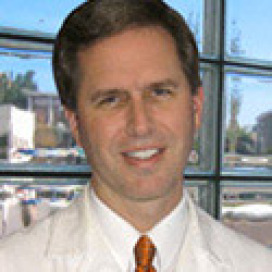
Robert B. Cameron
Pleural Specialist | Thoracic Surgery
Dr. Robert B. Cameron developed a lung-sparing surgery for pleural mesothelioma that not only extends survival but offers greater quality of life by preserving the lung. Cameron’s surgery has a lower risk of complications and studies report longer survival times.
Read Bio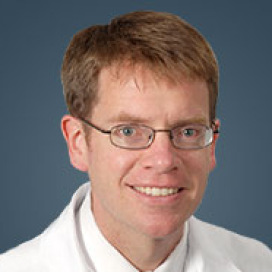
W. Charles Conway
Peritoneal Specialist | Surgical Oncology
Dr. W. Charles Conway is an expert in peritoneal mesothelioma and the Director of Surgical Oncology at Ridley-Tree Cancer Center in Santa Barbara, California. He specializes in minimally invasive robotic surgery and heated chemotherapy for peritoneal mesothelioma.
Read Bio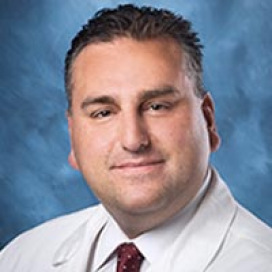
Harmik Soukiasian
Pleural Specialist | Thoracic Surgery
Dr. Harmik Soukiasian is the lead surgeon in Cedars-Sinai’s Mesothelioma Program, which specializes in early detection, novel treatments and clinical trials. His expertise includes video-assisted thoracoscopic surgery and photodynamic therapy.
Read Bio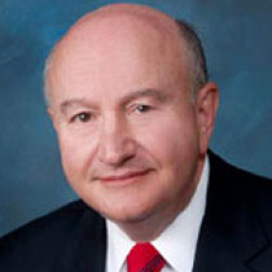
Robert M. Barone
Peritoneal Specialist | Surgical Oncology
Dr. Robert Barone is the esteemed director of Surgical Oncology Services for Sharp Healthcare in San Diego, specializing in the treatment of peritoneal mesothelioma cancer.
Read BioClinical Trials in California
California is widely recognized for cancer research and mesothelioma cancer centers, including mesothelioma clinical trials and laboratory research at organizations like the University of California San Francisco. The Pacific Mesothelioma Center, which is under the medical direction of Dr. Cameron, conducts ongoing research to develop new therapies. Mesothelioma clinical trials in California can let patients access new cancer treatments or emerging therapies.
NCT06051695
A Study to Evaluate the Safety and Efficacy of Mesothelin-Targeting Logic-gated CAR T, in Participants With Solid Tumors That Express MSLN and Have Lost HLA-A*02 Expression
The goal of this study is to test autologous logic-gated Tmod™ CAR T-cell products in subjects with solid tumors including colorectal cancer (CRC), pancreatic cancer (PANC), non-small cell lung cancer (NSCLC), ovarian cancer (OVCA), mesothelioma (MESO), and other solid tumors that express mesothelin (MSLN) and have lost HLA-A\*02 expression. The main questions this study aims to answer are: Phase 1: What is the recommended dose that is safe for patients Phase 2: Does the recommended dose kill solid tumor cells and protect the patient's healthy cells Participants will be required to perform study procedures and assessments, and will also receive the following study treatments: Enrollment and Apheresis in BASECAMP-1 (NCT04981119) Preconditioning Lymphodepletion (PCLD) Regimen Tmod CAR T cells at the assigned dose
Locations
-
Arizona (1)
- Banner Health — Gilbert
-
California (3)
- UCSD Moores Cancer Center — La Jolla
- UCLA Medical Center — Los Angeles
- Stanford University — Stanford
-
Florida (2)
- Mayo Clinic — Jacksonville
- Moffitt Cancer Center — Tampa
-
Minnesota (1)
- Mayo Clinic Rochester — Rochester
-
Missouri (1)
- Washington University — St Louis
-
New York (1)
- NYU Langone Medical Center — New York
-
Ohio (1)
- The Ohio State University Comprehensive Cancer Center — Columbus
-
Tennessee (1)
- Vanderbilt University Medical Center — Nashville
-
Washington (1)
- Fred Hutchinson Cancer Center — Seattle
NCT04981119
Solid Tumor Analysis for HLA Loss of Heterozygosity (LOH) and Apheresis for CAR T- Cell Manufacturing
Objective: To collect information on how often a solid tumor cancer might lose the Human Leukocyte Antigen (HLA) by next generation sequencing and perform apheresis to collect and store an eligible participant's own T cells for future use to make CAR T-Cell therapy for their disease treatment. Design: This is a non-interventional, observational study to evaluate participants with solid tumors with a high risk of relapse for incurable disease. No interventional therapy will be administered on this study. Some of the information regarding the participant's tumor analysis may be beneficial to management of their disease. Participants that meet all criteria may be enrolled and leukapheresed (blood cells collected). The participant's cells will be processed and stored for potential manufacture of CAR T-cell therapy upon relapse of their cancer.
Locations
-
Arizona (2)
- Banner Health — Gilbert
- Mayo Clinic Hospital — Phoenix
-
California (3)
- University of California San Diego — La Jolla
- Stanford University — Palo Alto
- UCLA Medical Center — Santa Monica
-
Florida (2)
- Mayo Clinic Jacksonville — Jacksonville
- Moffitt Cancer Center — Tampa
-
Minnesota (1)
- Mayo Clinic Rochester — Rochester
-
Missouri (1)
- Washington University — St Louis
-
New York (1)
- NYU Langone Medical Center — New York
-
Ohio (1)
- The Ohio State University Comprehensive Cancer Center — Columbus
-
Tennessee (1)
- Vanderbilt University Medical Center — Nashville
-
Washington (1)
- Fred Hutchinson Cancer Center — Seattle
NCT04665206
Study to Evaluate VT3989 in Patients With Metastatic Solid Tumors
This is an open-label, dose escalation and expansion study to evaluate the safety, tolerability, PK, and biological activity of VT3989 administered, alone or in combination, once daily in patients with mesothelioma and/or metastatic solid tumors that are resistant to standard therapy or for which no effective standard therapy is available.
Locations
-
California (1)
- UCSF Helen Diller Family Comprehensive Cancer Center — San Francisco
-
Illinois (1)
- University of Chicago Medical Center — Chicago
-
Massachusetts (2)
- Massachusetts General Hospital — Boston
- Dana-Farber Cancer Institute — Boston
-
Minnesota (1)
- M Health Fairview University of Minnesota Medical Center — Minneapolis
-
New York (1)
- Memorial Sloan Kettering Cancer Center — New York
-
Texas (2)
- MD Anderson Cancer Center — Houston
- NEXT Oncology — San Antonio
-
Virginia (1)
- Virginia Cancer Specialists, PC — Arlington
NCT05647265
Testing the Addition of Immunotherapy Before Surgery for Patients With Sarcomatoid Mesothelioma
This phase II trial evaluates the safety and effectiveness of giving immunotherapy (nivolumab and ipilimumab) before surgery for controlling disease in patients with stage I-IIIa sarcomatoid mesothelioma. Immunotherapy with monoclonal antibodies, such as nivolumab and ipilimumab, may help the body's immune system attack the cancer, and may interfere with the ability of tumor cells to grow and spread. Giving immunotherapy before surgery may be more effective at controlling disease in patients with sarcomatoid mesothelioma than giving immunotherapy alone.
Locations
-
Alaska (6)
- Anchorage Associates in Radiation Medicine — Anchorage
- Alaska Breast Care and Surgery LLC — Anchorage
- Alaska Oncology and Hematology LLC — Anchorage
- Alaska Women's Cancer Care — Anchorage
- Katmai Oncology Group — Anchorage
- Providence Alaska Medical Center — Anchorage
-
Arizona (3)
- Kingman Regional Medical Center — Kingman
- Mayo Clinic Hospital in Arizona — Phoenix
- Mayo Clinic in Arizona — Scottsdale
-
California (6)
- PCR Oncology — Arroyo Grande
- Providence Saint Joseph Medical Center/Disney Family Cancer Center — Burbank
- UC San Diego Moores Cancer Center — La Jolla
- Providence Queen of The Valley — Napa
- Providence Medical Foundation – Santa Rosa — Santa Rosa
- Providence Santa Rosa Memorial Hospital — Santa Rosa
-
Florida (1)
- Mayo Clinic in Florida — Jacksonville
-
Idaho (5)
- Saint Luke's Cancer Institute – Boise — Boise
- Saint Luke's Cancer Institute – Fruitland — Fruitland
- Saint Luke's Cancer Institute – Meridian — Meridian
- Saint Luke's Cancer Institute – Nampa — Nampa
- Saint Luke's Cancer Institute – Twin Falls — Twin Falls
-
Illinois (15)
- Rush-Copley Medical Center — Aurora
- Northwestern University — Chicago
- University of Chicago Comprehensive Cancer Center — Chicago
- Carle at The Riverfront — Danville
- Northwestern Medicine Cancer Center Kishwaukee — DeKalb
- Carle Physician Group-Effingham — Effingham
- Northwestern Medicine Cancer Center Delnor — Geneva
- Northwestern Medicine Glenview Outpatient Center — Glenview
- Northwestern Medicine Grayslake Outpatient Center — Grayslake
- Northwestern Medicine Lake Forest Hospital — Lake Forest
- Carle Physician Group-Mattoon/Charleston — Mattoon
- Northwestern Medicine Orland Park — Orland Park
- Carle Cancer Center — Urbana
- Northwestern Medicine Cancer Center Warrenville — Warrenville
- Rush-Copley Healthcare Center — Yorkville
-
Minnesota (2)
- University of Minnesota/Masonic Cancer Center — Minneapolis
- Mayo Clinic in Rochester — Rochester
-
Montana (1)
- Saint Patrick Hospital – Community Hospital — Missoula
-
Nevada (28)
- Carson Tahoe Regional Medical Center — Carson City
- Comprehensive Cancer Centers of Nevada – Henderson — Henderson
- Comprehensive Cancer Centers of Nevada-Horizon Ridge — Henderson
- Comprehensive Cancer Centers of Nevada-Southeast Henderson — Henderson
- Oncology Las Vegas – Henderson — Henderson
- Urology Specialists of Nevada – Green Valley — Henderson
- OptumCare Cancer Care at Charleston — Las Vegas
- University Medical Center of Southern Nevada — Las Vegas
- Hope Cancer Care of Nevada — Las Vegas
- Radiation Oncology Centers of Nevada Central — Las Vegas
- Urology Specialists of Nevada – Central — Las Vegas
- Sunrise Hospital and Medical Center — Las Vegas
- Urology Specialists of Nevada – Southwest — Las Vegas
- Radiation Oncology Centers of Nevada Southeast — Las Vegas
- Comprehensive Cancer Centers of Nevada – Northwest — Las Vegas
- Oncology Las Vegas – Tenaya — Las Vegas
- OptumCare Cancer Care at MountainView — Las Vegas
- Urology Specialists of Nevada – Northwest — Las Vegas
- Alliance for Childhood Diseases/Cure 4 the Kids Foundation — Las Vegas
- Comprehensive Cancer Centers of Nevada – Town Center — Las Vegas
- Comprehensive Cancer Centers of Nevada-Summerlin — Las Vegas
- Summerlin Hospital Medical Center — Las Vegas
- Comprehensive Cancer Centers of Nevada — Las Vegas
- Comprehensive Cancer Centers of Nevada – Central Valley — Las Vegas
- OptumCare Cancer Care at Fort Apache — Las Vegas
- Hope Cancer Care of Nevada-Pahrump — Pahrump
- Renown Regional Medical Center — Reno
- Saint Mary's Regional Medical Center — Reno
-
North Carolina (3)
- Duke University Medical Center — Durham
- Duke Cancer Center Southpoint — Durham
- Duke Cancer Center Raleigh — Raleigh
-
Oregon (9)
- Saint Charles Health System — Bend
- Clackamas Radiation Oncology Center — Clackamas
- Bay Area Hospital — Coos Bay
- Providence Hood River Memorial Hospital — Hood River
- Providence Newberg Medical Center — Newberg
- Providence Willamette Falls Medical Center — Oregon City
- Providence Portland Medical Center — Portland
- Providence Saint Vincent Medical Center — Portland
- Saint Charles Health System-Redmond — Redmond
-
Texas (4)
- UT Southwestern Simmons Cancer Center – RedBird — Dallas
- UT Southwestern/Simmons Cancer Center-Dallas — Dallas
- UT Southwestern/Simmons Cancer Center-Fort Worth — Fort Worth
- UT Southwestern Clinical Center at Richardson/Plano — Richardson
-
Washington (21)
- Providence Regional Cancer System-Aberdeen — Aberdeen
- PeaceHealth Saint Joseph Medical Center — Bellingham
- Providence Regional Cancer System-Centralia — Centralia
- Swedish Cancer Institute-Edmonds — Edmonds
- Providence Regional Cancer Partnership — Everett
- Swedish Cancer Institute-Issaquah — Issaquah
- Kadlec Clinic Hematology and Oncology — Kennewick
- Providence Regional Cancer System-Lacey — Lacey
- PeaceHealth Saint John Medical Center — Longview
- Skagit Regional Health Cancer Care Center — Mount Vernon
- Valley Medical Center — Renton
- Swedish Medical Center-Ballard Campus — Seattle
- Swedish Medical Center-Cherry Hill — Seattle
- Swedish Medical Center-First Hill — Seattle
- PeaceHealth United General Medical Center — Sedro-Woolley
- Cancer Care Northwest – Spokane South — Spokane
- Cancer Care Northwest-Valley — Spokane
- Cancer Care Northwest-North Spokane — Spokane
- PeaceHealth Southwest Medical Center — Vancouver
- Providence Saint Mary Regional Cancer Center — Walla Walla
- North Star Lodge Cancer Center at Yakima Valley Memorial Hospital — Yakima
NCT05579366
Rinatabart Sesutecan (Rina-S, PRO1184, GEN1184) for Advanced Solid Tumors (GCT1184-01/ PRO1184-001)
This study will test the safety, including side effects, and determine the characteristics of a drug called Rina-S in participants with solid tumors. Participants will have solid tumor cancer that has spread through the body (metastatic) or cannot be removed with surgery (unresectable).
Locations
-
Arizona (2)
- USOR HonorHealth — Phoenix
- USOR Arizona Oncology Associates — Tucson
-
California (4)
- University of California Los Angeles Medical Center — Los Angeles
- University of California, San Diego; Moores Cancer Center — San Diego
- USOR Sansum Clinic — Santa Barbara
- Providence Medical Foundation — Santa Rosa
-
Florida (3)
- USOR Florida Cancer Specialists South — Fort Myers
- USOR Florida Cancer Specialists North — St. Petersburg
- USOR Florida Cancer Specialists East — West Palm Beach
-
Georgia (1)
- Augusta University Georgia Cancer Center — Augusta
-
Kansas (1)
- University of Kansas Medical Center (KUMC) — Westwood
-
Maryland (1)
- USOR Maryland Oncology Hematology — Rockville
-
Massachusetts (2)
- Massachusetts General Hospital — Boston
- Dana Farber Cancer Institute — Boston
-
Michigan (2)
- Karmanos Cancer Institute — Detroit
- START Midwest — Grand Rapids
-
Minnesota (1)
- USOR Minnesota Oncology Hematology — Maplewood
-
New Jersey (1)
- MD Anderson Cancer Center at Cooper- Two Cooper Plaza — Camden
-
Ohio (1)
- Ohio State University Comprehensive Cancer Center (OSUCCC)- The James Cancer Hospital and Solove Research Institute — Columbus
-
Oklahoma (1)
- University of Oklahoma – Health Sciences Center — Oklahoma City
-
Oregon (2)
- USOR Oncology Associates of Oregon, P.C. — Eugene
- Compass Oncology – Rose Quarter — Portland
-
Pennsylvania (2)
- USOR Alliance Cancer Specialist — Doylestown
- Allegheny Health Network — Pittsburgh
-
Rhode Island (1)
- Women and Infants Hospital of Rhode Island — Providence
-
Tennessee (2)
- Sarah Cannon Research Institute at Tennessee Oncology — Nashville
- Tennessee Oncology — Nashville
-
Texas (6)
- USOR Texas Oncology — Abilene
- Texas Oncology – Central / South Texas — Austin
- Mary Crowley Cancer Research — Dallas
- USOR Texas Oncology — Fort Worth
- Texas Oncology – Northeast TX — Tyler
- USOR Texas Oncology Gulf Coast — Woodland
-
Utah (1)
- START Mountain Region — West Valley City
-
Virginia (2)
- USOR Virginia Cancer Specialists — Fairfax
- USOR Virginia Oncology Associates — Norfolk
-
Washington (1)
- Swedish Cancer Institute — Seattle
NCT05873686
A Phase 1 Clinical Study of NXP900 in Subjects With Advanced Cancers
This is a multi-center, first-in-human, open label, dose escalation (Part A) and expansion (Part B) Phase 1 study in subjects with advanced solid tumors and in subjects with solid tumors with selected genetic alterations that are either direct (YES1 amplification) or dependent (Hippo Pathway alterations) targets of NXP900.
Locations
-
Arizona (1)
- Mayo Clinic — Phoenix
-
California (1)
- UC San Diego Moores Cancer Center — La Jolla
-
Colorado (1)
- Sarah Cannon Research Institute at HealthONE — Denver
-
Florida (1)
- Mayo Clinic — Jacksonville
-
Illinois (1)
- University of Chicago — Chicago
-
Minnesota (1)
- Mayo Clinic Rochester — Rochester
-
New York (1)
- Memorial Sloan Kettering Cancer Center — New York
-
Ohio (1)
- Cleveland Clinic — Cleveland
-
Oregon (1)
- Oregon Health and Science University — Portland
-
Texas (3)
- The University of Texas MD Anderson Cancer Center — Houston
- NEXT Oncology Houston — Houston
- NEXT Oncology Dallas — Irving
-
Virginia (1)
- NEXT Oncology Virginia — Fairfax
NCT03556228
VMD-928 Monotherapy and in Combination With Pembrolizumab to Treat TrkA Overexpression Driven Solid Tumors or Lymphoma
This is a multicenter, open-label, Phase 1/2 study of orally administered VMD-928 monotherapy and in combination with pembrolizumab in adult subjects with advanced solid tumors or lymphoma that have progressed or are non responsive to available therapies and for which no standard or available curative therapy exists
Locations
-
California (1)
- Providence Medical Foundation (site 209) — Santa Rosa
-
Connecticut (1)
- Hartford Hospital (site 210) — Hartford
-
District of Columbia (1)
- The George Washington University Cancer Center (site 212) — Washington D.C.
-
Florida (2)
- Holy Cross Hospital (site 213) — Fort Lauderdale
- Memorial Cancer Institute at Memorial Healthcare Systems (site 132) — Pembroke Pines
-
New Jersey (3)
- Englewood Hospital and Medical Center (site 202) — Englewood
- Summit Medical Group (site 205) — Florham Park
- Atlantic Health System, Morristown Medical Center (site 124) — Morristown
-
New Mexico (1)
- Presbyterian Kaseman Hospital (site 208) — Albuquerque
-
New York (1)
- Weill Cornell Medicine, Cornell University (site 126) — New York
-
Ohio (1)
- Taylor Cancer Research Center (site 204) — Maumee
-
Pennsylvania (1)
- Cancer Care Associates of York (site 206) — York
-
Texas (1)
- The University of Texas MD Anderson Cancer Center (site 127) — Houston
-
Utah (1)
- Utah Cancer Specialists (site 203) — Salt Lake City
NCT06251310
SW-682 in Advanced Solid Tumors
This is a first-in-human (FIH), Phase 1a/1b open-label, multicenter, dose escalation and dose expansion study of SW-682 in adult participants with metastatic or unresectable advanced solid tumors with or without Hippo pathway alterations that are refractory to, or have progressed, during or after appropriate prior systemic anticancer therapy, including chemotherapy, immunotherapy, radiation therapy or targeted therapy, or for which no treatment is available, or prior standard of care (SOC) therapy was not tolerated and for which there is no further SOC treatment available. The study includes a Part 1 (Phase 1a) dose escalation phase and a Part 2 (Phase 1b) dose expansion to optimize the dose to be used for further development. All participants will self-administer SW-682 by mouth in 28-day cycles.
Locations
-
Arizona (1)
- HonorHealth Research Institute — Scottsdale
-
California (3)
- USC Norris Comprehensive Cancer Center and Hospital — Los Angeles
- UC San Diego Moores Cancer Center — Sacramento
- UCLA Hematology-Oncology – Santa Monica — Santa Monica
-
Ohio (1)
- University Hospital of Cleveland — Cleveland
-
Oregon (1)
- Oregon Health and Science University, Knight Cancer Institute – Marquam Hill — Portland
-
Texas (2)
- Mary Crowley Research Center US Oncology — Dallas
- U.T. MD Anderson Cancer Center — Houston
NCT05086692
A Beta-only IL-2 ImmunoTherapY Study
This is a Phase 1/2, multi-center, open-label, dose-escalation and expansion study to evaluate safety and tolerability, PK, pharmacodynamic, and early signal of anti-tumor activity of MDNA11 alone or in combination with a checkpoint inhibitor in patients with advanced solid tumors.
Locations
-
California (2)
- Sharp Memorial Hospital — San Diego
- Providence Saint John's Health Center — Santa Monica
-
Florida (1)
- Boca Raton Regional Hospital — Boca Raton
-
Georgia (1)
- Emory – Winship Cancer Institute — Atlanta
-
Michigan (1)
- Karmanos Cancer Institute — Detroit
NCT06444815
A Study of VET3-TGI in Patients With Solid Tumors
VET3-TGI is an oncolytic immunotherapy designed to treat advanced cancers. VET3-TGI has not been given to human patients yet, and the current study is designed to find a safe and effective dose of VET3-TGI when administered by direct injection into tumor(s) (called an intratumoral injection) or when given intravenously (into the vein) both alone and in combination with atezolizumab in patients with solid tumors (STEALTH-001).
Locations
-
California (2)
- USC/Norris Comprehensive Cancer Center — Los Angeles
- UC Irvine Health — Orange
-
Florida (1)
- University of Miami — Miami
-
Indiana (1)
- Community Health Network — Indianapolis
-
Pennsylvania (1)
- UPMC- Hillman Cancer Center — Pittsburgh
-
Texas (2)
- Mary Crowley Cancer Research — Dallas
- University of Texas MD Anderson Cancer Center — Houston
NCT07277413
A Study of IDE892 as Monotherapy and Combination in MTAP-deleted Advanced Solid Tumors
This is a multicenter clinical study to evaluate the safety, efficacy, and Pharmacokinetics (PK) of IDE892 as monotherapy and in combination with other agents including IDE397 in participants with methylthioadenosine phosphorylase (MTAP)-deleted advanced solid tumors within indications of interest.
Locations
-
California (1)
- Providence Medical Foundation — Santa Rosa
-
District of Columbia (1)
- Johns Hopkins Sibley Memorial Hospital — Washington D.C.
-
Florida (3)
- BRCR Global-Coral Springs — Coral Springs
- Sarah Cannon Research Institute at Florida Cancer Specialists — Orlando
- Moffitt Cancer Center — Tampa
-
Nebraska (1)
- Nebraska Cancer Specialists — Omaha
-
New Jersey (1)
- START Astera, LLC — East Brunswick
-
New York (1)
- Columbia University Irving Medical Center — New York
-
Pennsylvania (1)
- Sidney Kimmel Comprehensive Cancer Center Thomas Jefferson University — Philadelphia
-
Tennessee (1)
- Sarah Cannon Research Institute — Nashville
-
Texas (4)
- START Dallas Fort Worth — Fort Worth
- MD Anderson — Houston
- NEXT Oncology Houston — Houston
- NEXT Oncology Dallas — Irving
-
Utah (1)
- START Mountain Region, LLC — West Valley City
-
Virginia (1)
- NEXT Oncology Virginia — Fairfax
-
Washington (1)
- Swedish Cancer Institute — Seattle
NCT05107674
A Study of NX-1607 in Adults With Advanced Malignancies
This is a first-in-human Phase 1a/1b multicenter, open-label oncology study designed to evaluate the safety and anti-cancer activity of NX-1607 in patients with advanced malignancies.
Locations
-
California (2)
- University of Southern California — Los Angeles
- University of California, San Francisco — San Francisco
-
Colorado (1)
- University of Colorado School of Medicine — Aurora
-
Illinois (1)
- University of Chicago — Chicago
-
North Carolina (1)
- University of North Carolina — Chapel Hill
-
Oklahoma (1)
- University of Oklahoma — Oklahoma City
-
Texas (1)
- MD Anderson Cancer Center — Houston
-
Virginia (1)
- University of Virginia — Charlottesville
-
Washington (1)
- Fred Hutchinson Cancer Center — Seattle
NCT05732831
Safety and Tolerability of TNG462 in Patients With MTAP-deleted Solid Tumors
This is a first in human study in patients with advanced or metastatic solid tumors known to have an MTAP deletion. The first part of the study is an open-label, dose escalation and the second part is an open label dose expansion in specific MTAP-deleted tumor types. The study drug, TNG462, is a selective PRMT5 inhibitor administered orally. The study is planned to treat up to 225 participants.
Locations
-
California (1)
- Stanford University — Palo Alto
-
Colorado (1)
- Grand Valley Oncology — Grand Junction
-
Florida (1)
- Sylvester Comprehensive Cancer Center — Miami
-
Illinois (3)
- University Chicago Medicine — Chicago
- Carle Cancer Center — Urbana
- Midwestern Regional Medical Center, City of Hope Chicago — Zion
-
Massachusetts (2)
- Massachusetts General Hospital — Boston
- Dana Farber Cancer Institute — Boston
-
Michigan (1)
- Henry Ford Cancer Center — Detroit
-
New York (1)
- New York University Langone Health — New York
-
Tennessee (1)
- Sarah Cannon Tennessee Oncology — Nashville
-
Texas (1)
- The University of Texas MD Anderson Cancer Center — Houston
-
Utah (1)
- Huntsman Cancer Institute, University of Utah — Salt Lake City
-
Virginia (1)
- Next Oncology Virginia — Fairfax
Financial Support for Treatment in California
There are several financial support options available in California for mesothelioma patients and caregivers, especially for families with low income, inadequate insurance or maxed-out benefits. Nonprofits like Cancer Support Community and Cancer Angels of San Diego can provide emergency financial aid, help with basic needs and assistance with travel or lodging. Some California oncology centers can completely cover treatment costs for cancer patients who fall under maximum income requirements, including the UCSF Helen Diller Family Comprehensive Cancer Center and the Stanford Cancer Institute.
Financial Resources for California Mesothelioma Patients
- Cancer Angels of San Diego: CASD helps Stage IV cancer patients with financial aid for daily living essentials, such as rent, utility payments, groceries and childcare expenses. The nonprofit supports patients in San Diego County who have any type of Stage IV cancer, including mesothelioma.
- Cancer CAREpoint: This San Jose nonprofit provides a variety of free services and resources to cancer patients, caregivers and family members, including short-term financial assistance and personalized wig support. In 2025, Cancer CAREpoint distributed nearly $90,000 in emergency financial aid to 328 individuals.
- Cancer Support Community San Francisco Bay Area: When funds are available, this organization offers emergency financial aid to low-income cancer patients in the Bay Area. Caregivers can also qualify for a grant, but only the patient’s medical care provider can apply.
- City of Hope: Both the NCI-Designated City of Hope location in Los Angeles and the Orange County cancer center may agree to fully cover medical care costs for California mesothelioma patients who make less than 600% of the Federal Poverty Level guidelines, which was $7,290 a month in 2023.
- Organic Soup Kitchen: As part of Organic Soup Kitchen’s Cancer Recovery Program, volunteers in Santa Barbara County prepare and deliver nutrient-dense soup meals every week at no cost to low-income cancer patients. The California cancer nonprofit partners with local organizations and farmers to source organic produce, such as Trinity Gardens and Veggie Rescue.
- UC Davis Foundation: The UC Davis Comprehensive Cancer Center Patient Assistance Fund provides financial assistance for some cancer patients while they undergo treatment. The fund can cover the cost of medical supplies, nearby lodging, transportation, food and other essentials.
Mesothelioma patients can also speak with a Patient Advocate to learn about additional financial resources. For example, U.S. veterans diagnosed with mesothelioma may be eligible for disability compensation, survivor benefits and other VA benefits. Our Veterans Department helps patients file claims and navigate the approval process, which can be complex.
Cancer Resources in California
Mesothelioma patients in California can take advantage of support services for physical, emotional and mental well-being. Local organizations such as UCLA Health and Cancer Support Community have programs for pain management, counseling services, cancer rehabilitation, meal assistance and caregiver support groups.
Support Services for Mesothelioma Patients in California
- Helen’s Room: Helen’s Room is a nonprofit organization based in Los Angeles, California. It provides appearance resources for cancer patients who live in the Los Angeles area, such as wigs and private fitting consultations. All services and products are free for uninsured, low-income women with cancer.
- Hoag Family Cancer Institute: The Hoag Family Cancer Institute in Newport Beach offers a long list of support services for patients in every stage of treatment. Available programs include financial navigation, exercise, spiritual care, oncology massage and rehabilitation services.
- Stanford Health Care Cancer Supportive Care Program: Stanford Health Care sponsors workshops and resources for patients. It has locations in Palo Alto, South Bay and Redwood City. Patients can attend classes to learn more about cancer treatment.
- Triumph Cancer Foundation: This Sacramento-based nonprofit provides a free 12-week exercise program to cancer survivors in the Greater Sacramento Metro Area. Each Triumph Fitness session lasts 90 minutes, and there are in-person and virtual classes available. Cancer exercise specialists provide personalized recommendations to help survivors improve flexibility, muscle mass and energy levels.
- Cancer Support Community: Cancer Support Community offers a network of free services throughout California, including emotional support groups for patients, caregivers and surviving family members. The organization focuses on helping patients cope with cancer treatment and hosts monthly events to connect patients with resources.
Many California mesothelioma patients can also call 211 to connect with local support services in dozens of counties across the state, from San Diego and Monterey to Humboldt and San Bernardino County. Transportation, food assistance and home care resources are all available through this free service
What Survivors Say About Their Mesothelioma Treatment in California
The stories that local mesothelioma patients and family members have shared with us show that mesothelioma doctors in California make an enormous difference in the lives of patients, survivors and caregivers. From groundbreaking clinical trials at the University of California in San Diego to treatment and support therapies at UCSF, NCI-designated cancer centers in California have helped mesothelioma patients find excellent care strategies and enjoy more time with loved ones.
Survivor Experience
“I was a fortunate one. It’s still in the back of your mind that it may recur — and it probably will — but hopefully science will catch up to it before it does. In the meantime, I have things I want to do.”
Jim H. , Pleural Mesothelioma SurvivorVerified Asbestos.com Survivor
Survivor Experience
“I don’t know exactly why I’m doing so well. I must have a great immune system that works well with this therapy. I know the mesothelioma is there, but I just try and ignore that fact,” he said. “There are days when I think about it, but I try to stay busy, try to stay positive all the time. And for now, it’s working.”
– Andy A. , Pleural Mesothelioma SurvivorVerified Asbestos.com Survivor


