

Top Mesothelioma Centers in Ohio
The best hospitals for mesothelioma treatment in Ohio are National Cancer Institute-Designated comprehensive cancer centers. These Ohio mesothelioma cancer centers are at the forefront of cancer research, giving patients access to innovative technology, personalized mesothelioma care, targeted therapies and multidisciplinary medical teams.
Doctors at The James Cancer Hospital and Solove Research Institute at Ohio State University have extensive experience with mesothelioma treatment and excellent patient care. The Case Comprehensive Cancer Center in Cleveland conducts groundbreaking research with other cancer centers around the world. Cleveland Clinic is another top hospital and clinical research institution.

2049 East 100th St, Cleveland, OH 44195

Locations of Ohio’s Top Cancer Centers
There are 2 NCI-Designated mesothelioma cancer centers in Ohio: Case Western Reserve University’s Case Comprehensive Cancer Center in Cleveland and Ohio State University’s James Cancer Hospital and Solove Research Institute in Columbus. Case Western Reserve University focuses on research and clinical trials, and mesothelioma patients receive cancer care at the partnering UH Seidman Cancer Center. Cancer patients in Cincinnati and other parts of southwest Ohio may visit the Kettering Health Cancer Center for radiation oncology, targeted therapy with monoclonal antibodies and chemotherapy treatments.
-
Cleveland Clinic Cancer Center
2049 E 100th St
Cleveland, OH 44195
Top Doctors in Ohio
The top mesothelioma doctors in Ohio specialize in treating peritoneal or pleural mesothelioma, including thoracic surgeons, medical oncologists, radiation oncologists and surgical oncologists. Dr. Nathan Pennell of Cleveland Clinic is a top pleural mesothelioma specialist with extensive experience in thoracic malignancies. Pleural mesothelioma doctor Dr. David Carbone at The James uses precision techniques such as robotic surgery and video-assisted thoracoscopic surgery to minimize patient recovery time and improve surgery outcomes. Some of these experienced cancer doctors are also university professors who lead clinical research.

David Carbone
Pleural Specialist | Thoracic Oncology
Dr. David Carbone is the director of the Thoracic Center at the Ohio State University Medical Center. He has been a leading investigator on many research studies involving lung cancer and mesothelioma.
Read Bio
Nathan Pennell
Pleural Specialist | Oncology
Dr. Nathan Pennell is a medical oncologist at the Taussig Cancer Center in the Cleveland Clinic. He focuses on thoracic malignancies, including a special interest in mesothelioma.
Read Bio
Sudish Murthy
Pleural Specialist | Thoracic Surgery
Dr. Sudish Murthy is the surgical director of the Center for Major Airway Disease at the Cleveland Clinic Cancer Institute. He is also part of the Department of Thoracic and Cardiovascular Surgery.
Read Bio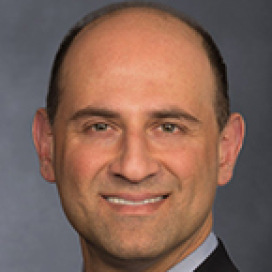
Syed Osman Ali
Pleural Specialist | Cardiothoracic Surgery
Dr. Syed Osman Ali is a cardiothoracic surgeon at AdventHealth in Orlando, Florida. He has extensive experience treating mesothelioma and other chest cancers with minimally invasive surgeries that result in faster recoveries and fewer complications.
Read Bio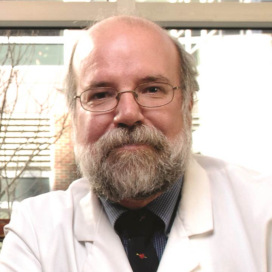
Gregory A. Otterson
Pleural Specialist | Thoracic Oncology
Dr. Gregory Otterson was an acclaimed thoracic oncologist at The Ohio State University Comprehensive Cancer Center, treating patients with lung, thymus and mesothelioma cancers. By expanding his research, he helped develop novel therapeutic approaches to several pleural diseases.
Read Bio
James Stevenson
Pleural Specialist | Peritoneal Specialist | Thoracic Oncology
Dr. James Stevenson is a medical oncologist specializing in pleural and peritoneal mesothelioma and lung cancer at the Cleveland Clinic in Cleveland, Ohio. With nearly two decades at top mesothelioma programs, he brings deep expertise and a passionate commitment to his patients.
Read Bio
Logan Roof
Pleural Specialist | Pleural Mesothelioma
Dr. Logan N. Roof is a medical oncologist and assistant professor at the Ohio State University College of Medicine. She specializes in treating pleural mesothelioma patients.
Read Bio
Pamela Lu
Peritoneal Specialist | Peritoneal Mesothelioma
Dr. Pamela W. Lu is a surgical oncologist at Ohio State University Comprehensive Cancer Center. She specializes in peritoneal mesothelioma and leads the heated chemotherapy team at OSUCCC-James.
Read BioBegin your search for a doctor in your area.
Get started by selecting location, type, specialty or language.
Clinical Trials in Ohio
To join a clinical trial in Ohio, speak with your mesothelioma care team or with a Patient Advocates. NCI-Designated Cancer Centers such as The James in Columbus and Case CCC in Cleveland frequently perform Phase I and Phase II clinical trials for mesothelioma treatment in Ohio. These university hospitals may provide access to cutting-edge cancer medicines or immunotherapy treatments.
NCT06251310
SW-682 in Advanced Solid Tumors
This is a first-in-human (FIH), Phase 1a/1b open-label, multicenter, dose escalation and dose expansion study of SW-682 in adult participants with metastatic or unresectable advanced solid tumors with or without Hippo pathway alterations that are refractory to, or have progressed, during or after appropriate prior systemic anticancer therapy, including chemotherapy, immunotherapy, radiation therapy or targeted therapy, or for which no treatment is available, or prior standard of care (SOC) therapy was not tolerated and for which there is no further SOC treatment available. The study includes a Part 1 (Phase 1a) dose escalation phase and a Part 2 (Phase 1b) dose expansion to optimize the dose to be used for further development. All participants will self-administer SW-682 by mouth in 28-day cycles.
Locations
-
Arizona (1)
- HonorHealth Research Institute — Scottsdale
-
California (3)
- USC Norris Comprehensive Cancer Center and Hospital — Los Angeles
- UC San Diego Moores Cancer Center — Sacramento
- UCLA Hematology-Oncology – Santa Monica — Santa Monica
-
Ohio (1)
- University Hospital of Cleveland — Cleveland
-
Oregon (1)
- Oregon Health and Science University, Knight Cancer Institute – Marquam Hill — Portland
-
Texas (2)
- Mary Crowley Research Center US Oncology — Dallas
- U.T. MD Anderson Cancer Center — Houston
NCT06710756
Lead-212 PSV359 Therapy for Patients With Solid Tumors
Phase I/IIa image-guided, alpha-particle therapy study of \[203Pb\]Pb-PSV359 and \[212Pb\]Pb-PSV359 in patients with solid tumors that are known to be Fibroblast Activation Protein (FAP)-positive.
Locations
-
Florida (2)
- University of Miami — Miami
- Biogenix — Miami
-
Kansas (1)
- University of Kansas — Kansas City
-
Kentucky (1)
- University of Kentucky — Lexington
-
Minnesota (1)
- Mayo Clinic in Rochester, Minnesota — Rochester
-
Missouri (1)
- Saint Louis University — St Louis
-
Nebraska (1)
- Nebraska Cancer Specialists — Omaha
-
Ohio (1)
- Ohio State University — Columbus
-
Pennsylvania (1)
- University of Pittsburgh Medical Center — Pittsburgh
-
Texas (1)
- MD Anderson Cancer Center — Houston
-
Wisconsin (1)
- University of Wisconsin — Madison
NCT04981119
Solid Tumor Analysis for HLA Loss of Heterozygosity (LOH) and Apheresis for CAR T- Cell Manufacturing
Objective: To collect information on how often a solid tumor cancer might lose the Human Leukocyte Antigen (HLA) by next generation sequencing and perform apheresis to collect and store an eligible participant's own T cells for future use to make CAR T-Cell therapy for their disease treatment. Design: This is a non-interventional, observational study to evaluate participants with solid tumors with a high risk of relapse for incurable disease. No interventional therapy will be administered on this study. Some of the information regarding the participant's tumor analysis may be beneficial to management of their disease. Participants that meet all criteria may be enrolled and leukapheresed (blood cells collected). The participant's cells will be processed and stored for potential manufacture of CAR T-cell therapy upon relapse of their cancer.
Locations
-
Arizona (2)
- Banner Health — Gilbert
- Mayo Clinic Hospital — Phoenix
-
California (3)
- University of California San Diego — La Jolla
- Stanford University — Palo Alto
- UCLA Medical Center — Santa Monica
-
Florida (2)
- Mayo Clinic Jacksonville — Jacksonville
- Moffitt Cancer Center — Tampa
-
Minnesota (1)
- Mayo Clinic Rochester — Rochester
-
Missouri (1)
- Washington University — St Louis
-
New York (1)
- NYU Langone Medical Center — New York
-
Ohio (1)
- The Ohio State University Comprehensive Cancer Center — Columbus
-
Tennessee (1)
- Vanderbilt University Medical Center — Nashville
-
Washington (1)
- Fred Hutchinson Cancer Center — Seattle
NCT05579366
Rinatabart Sesutecan (Rina-S, PRO1184, GEN1184) for Advanced Solid Tumors (GCT1184-01/ PRO1184-001)
This study will test the safety, including side effects, and determine the characteristics of a drug called Rina-S in participants with solid tumors. Participants will have solid tumor cancer that has spread through the body (metastatic) or cannot be removed with surgery (unresectable).
Locations
-
Arizona (2)
- USOR HonorHealth — Phoenix
- USOR Arizona Oncology Associates — Tucson
-
California (4)
- University of California Los Angeles Medical Center — Los Angeles
- University of California, San Diego; Moores Cancer Center — San Diego
- USOR Sansum Clinic — Santa Barbara
- Providence Medical Foundation — Santa Rosa
-
Florida (3)
- USOR Florida Cancer Specialists South — Fort Myers
- USOR Florida Cancer Specialists North — St. Petersburg
- USOR Florida Cancer Specialists East — West Palm Beach
-
Georgia (1)
- Augusta University Georgia Cancer Center — Augusta
-
Kansas (1)
- University of Kansas Medical Center (KUMC) — Westwood
-
Maryland (1)
- USOR Maryland Oncology Hematology — Rockville
-
Massachusetts (2)
- Massachusetts General Hospital — Boston
- Dana Farber Cancer Institute — Boston
-
Michigan (2)
- Karmanos Cancer Institute — Detroit
- START Midwest — Grand Rapids
-
Minnesota (1)
- USOR Minnesota Oncology Hematology — Maplewood
-
New Jersey (1)
- MD Anderson Cancer Center at Cooper- Two Cooper Plaza — Camden
-
Ohio (1)
- Ohio State University Comprehensive Cancer Center (OSUCCC)- The James Cancer Hospital and Solove Research Institute — Columbus
-
Oklahoma (1)
- University of Oklahoma – Health Sciences Center — Oklahoma City
-
Oregon (2)
- USOR Oncology Associates of Oregon, P.C. — Eugene
- Compass Oncology – Rose Quarter — Portland
-
Pennsylvania (2)
- USOR Alliance Cancer Specialist — Doylestown
- Allegheny Health Network — Pittsburgh
-
Rhode Island (1)
- Women and Infants Hospital of Rhode Island — Providence
-
Tennessee (2)
- Sarah Cannon Research Institute at Tennessee Oncology — Nashville
- Tennessee Oncology — Nashville
-
Texas (6)
- USOR Texas Oncology — Abilene
- Texas Oncology – Central / South Texas — Austin
- Mary Crowley Cancer Research — Dallas
- USOR Texas Oncology — Fort Worth
- Texas Oncology – Northeast TX — Tyler
- USOR Texas Oncology Gulf Coast — Woodland
-
Utah (1)
- START Mountain Region — West Valley City
-
Virginia (2)
- USOR Virginia Cancer Specialists — Fairfax
- USOR Virginia Oncology Associates — Norfolk
-
Washington (1)
- Swedish Cancer Institute — Seattle
NCT05001880
Chemotherapy With or Without Immunotherapy for Peritoneal Mesothelioma
This phase II trial compares the usual treatment alone (carboplatin, pemetrexed, and bevacizumab) to using immunotherapy (atezolizumab) plus the usual treatment in treating patients with peritoneal mesothelioma. The usual treatment consists of surgery or chemotherapy. Carboplatin is in a class of medications known as platinum-containing compounds. It works in a way similar to the anticancer drug cisplatin, but may be better tolerated than cisplatin. Carboplatin works by killing, stopping or slowing the growth of cancer cells. Pemetrexed is in a class of medications called antifolate antineoplastic agents. It works by stopping cells from using folic acid to make deoxyribonucleic acid and may kill cancer cells. Bevacizumab is in a class of medications called antiangiogenic agents. It works by stopping the formation of blood vessels that bring oxygen and nutrients to tumor. This may slow the growth and spread of tumor. Immunotherapy with monoclonal antibodies, such as atezolizumab, may help the body's immune system attack the cancer, and may interfere with the ability of tumor cells to grow and spread. Giving atezolizumab with usual treatment may work better than usual treatment alone.
Locations
-
Illinois (7)
- Alliance for Clinical Trials in Oncology — Chicago
- University of Chicago Comprehensive Cancer Center — Chicago
- Carle at The Riverfront — Danville
- Carle Physician Group-Effingham — Effingham
- Carle Physician Group-Mattoon/Charleston — Mattoon
- Carle Cancer Center — Urbana
- The Carle Foundation Hospital — Urbana
-
Minnesota (10)
- Sanford Joe Lueken Cancer Center — Bemidji
- Mercy Hospital — Coon Rapids
- Fairview Southdale Hospital — Edina
- Abbott-Northwestern Hospital — Minneapolis
- Mayo Clinic in Rochester — Rochester
- Park Nicollet Clinic – Saint Louis Park — Saint Louis Park
- Regions Hospital — Saint Paul
- United Hospital — Saint Paul
- Rice Memorial Hospital — Willmar
- Sanford Cancer Center Worthington — Worthington
-
North Dakota (3)
- Sanford Bismarck Medical Center — Bismarck
- Sanford Broadway Medical Center — Fargo
- Sanford Roger Maris Cancer Center — Fargo
-
Ohio (1)
- Ohio State University Comprehensive Cancer Center — Columbus
-
Oklahoma (1)
- University of Oklahoma Health Sciences Center — Oklahoma City
-
Pennsylvania (1)
- UPMC Hillman Cancer Center — Pittsburgh
-
South Dakota (2)
- Sanford Cancer Center Oncology Clinic — Sioux Falls
- Sanford USD Medical Center – Sioux Falls — Sioux Falls
-
Texas (5)
- UT MD Anderson – The Woodlands — Conroe
- UT MD Anderson Cancer Center — Houston
- UT MD Anderson – West Houston — Houston
- UT MD Anderson – League City — League City
- UT MD Anderson – Sugar Land — Sugar Land
-
Wisconsin (7)
- ThedaCare Regional Cancer Center — Appleton
- Marshfield Medical Center-EC Cancer Center — Eau Claire
- Marshfield Medical Center-Marshfield — Marshfield
- Marshfield Medical Center – Minocqua — Minocqua
- Marshfield Medical Center-Rice Lake — Rice Lake
- Marshfield Medical Center-River Region at Stevens Point — Stevens Point
- Marshfield Medical Center – Weston — Weston
NCT06566079
Study of ISM6331 in Participants With Advanced/Metastatic Mesothelioma or Other Advanced Solid Tumors
This is a Phase 1/2, open-label, multicenter, FIH study to evaluate the safety, tolerability, recommended Phase 2 dose (RP2D), PK/PD, and preliminary anti-tumor activity of ISM6331 in participants with advanced or metastatic mesothelioma or other Advanced solid tumors. The study consists of two parts, a dose escalation part (Part 1) and a dose selection expansion part (Part 2).
Locations
-
Colorado (1)
- Sarah Cannon Research Institute at HealthONE — Denver
-
Illinois (1)
- The University of Chicago Medical Center – Duchossois Center for Advanced Medicine — Chicago
-
Ohio (1)
- University Hospitals Cleveland Medical Center — Cleveland
-
Pennsylvania (1)
- University of Pennsylvania – Abramson Cancer Center — Philadelphia
-
Tennessee (1)
- SCRI Oncology Partners — Nashville
-
Texas (1)
- NEXT Oncology – Austin — Austin
NCT02012699
Integrated Cancer Repository for Cancer Research
The iCaRe2 is a multi-institutional resource created and maintained by the Fred \& Pamela Buffett Cancer Center to collect and manage standardized, multi-dimensional, longitudinal data and biospecimens on consented adult cancer patients, high-risk individuals, and normal controls. The distinct characteristic of the iCaRe2 is its geographical coverage, with a significant percentage of small and rural hospitals and cancer centers. The iCaRe2 advances comprehensive studies of risk factors of cancer development and progression and enables the design of novel strategies for prevention, screening, early detection and personalized treatment of cancer. Centers with expertise in cancer epidemiology, genetics, biology, early detection, and patient care can collaborate by using the iCaRe2 as a platform for cohort and population studies.
Locations
-
Colorado (1)
- Advent Health — Greenwood Village
-
Connecticut (1)
- Hartford HealthCare Cancer Institute at Manchester Medical Hospital — Manchester
-
Florida (5)
- Florida Hospital Memorial Medical Center — Daytona Beach
- Florida Hospital DeLand — DeLand
- Florida Hospital FISH — Orange City
- Florida Hospital Flagler — Palm Coast
- Tallahassee Memorial Hospital — Tallahassee
-
Illinois (2)
- Rush-Copley Cancer Care Center — Aurora
- Rush-Copley Healthcare Center — Yorkville
-
Indiana (1)
- Parkview Research Center — Fort Wayne
-
Iowa (2)
- Methodist Jennie Edmundson Hospital — Council Bluffs
- Covenant Medical Center, Inc — Waterloo
-
Kansas (1)
- Saint Luke's Cancer Instititute – South — Overland Park
-
Maryland (2)
- Northwest Hospital — Randallstown
- William E. Kahlert Regional Cancer Center — Westminster
-
Massachusetts (1)
- Holyoke Medical Center — Holyoke
-
Minnesota (5)
- Riverwood Healthcare Center — Aitkin
- Essentia Health-St. Joseph's Medical Center — Brainerd
- Essentia Health – Duluth Clinic — Duluth
- St. Luke's Hospital of Duluth — Duluth
- Lake Region Healthcare — Fergus Falls
-
Missouri (6)
- Saint Luke's Cancer Institute, East — Kansas City
- Saint Luke's Cancer Institute — Kansas City
- Saint Luke's Cancer Institute, Kansas City North — Kansas City
- Saint Luke's Cancer Institute, Liberty — Liberty
- North Kansas City Hospital — North Kansas City
- Heartland Regional Medical Center dba Mosaic Life Care — Saint Joseph
-
Montana (1)
- Bozeman Health Deaconess Hospital — Bozeman
-
Nebraska (6)
- Mary Lanning Healthcare, Morrison Cancer Center — Hastings
- Faith Regional Health Services, Carson Cancer Center — Norfolk
- Great Plains Regional Medical Center — North Platte
- Methodist Estabrook Cancer Center — Omaha
- Nebraska Methodist Health System — Omaha
- University of Nebraska Medical Center — Omaha
-
New York (2)
- C.R. Wood Cancer Center, Glens Falls Hospital — Glens Falls
- Faxton St. Luke's Healthcare, Mohawk Valley — Utica
-
North Carolina (1)
- Cape Fear Valley Health System — Fayetteville
-
North Dakota (2)
- Essentia Health — Fargo
- Trinity Hospital Cancer Care Center — Minot
-
Ohio (2)
- Aultman Alliance Community Hospital — Alliance
- Aultman Hospital — Canton
-
Wisconsin (1)
- Bellin Memorial Hospital — Green Bay
NCT04792463
Frequency and Clinical Phenotype of BAP1 Hereditary Predisposition Syndrome
This research will have a significant impact on the overall management of those cancer patients and their family members who are at risk for hereditary cancer due to germline inactivation of BAP1. Our study will ultimately facilitate the development of novel screening, prevention and treatment strategies for these individuals with the syndrome. Because the vast majority of UM develop in pre-existing nevi, characterization of individuals at high risk for development of UM will allow closer screening and earlier intervention which would improve the treatment outcome not only for retaining vision but also for overall survival. Similarly in patients with germline BAP1 mutation CM develops in premalignant atypical melanocytic lesions and careful follow up of these patients will improve the outcome of their disease. In addition this study could have impact on the management of patients with personal and/or family history of several other cancers reported in patients with germline BAP1 mutation such as mesothelioma, renal cell carcinoma, cholangiocarcinoma, hepatocellular carcinoma, meningioma and basal cell carcinoma.
Locations
-
Ohio (1)
- The Ohio State University Wexner Medical Center — Columbus
NCT06051695
A Study to Evaluate the Safety and Efficacy of Mesothelin-Targeting Logic-gated CAR T, in Participants With Solid Tumors That Express MSLN and Have Lost HLA-A*02 Expression
The goal of this study is to test autologous logic-gated Tmod™ CAR T-cell products in subjects with solid tumors including colorectal cancer (CRC), pancreatic cancer (PANC), non-small cell lung cancer (NSCLC), ovarian cancer (OVCA), mesothelioma (MESO), and other solid tumors that express mesothelin (MSLN) and have lost HLA-A\*02 expression. The main questions this study aims to answer are: Phase 1: What is the recommended dose that is safe for patients Phase 2: Does the recommended dose kill solid tumor cells and protect the patient's healthy cells Participants will be required to perform study procedures and assessments, and will also receive the following study treatments: Enrollment and Apheresis in BASECAMP-1 (NCT04981119) Preconditioning Lymphodepletion (PCLD) Regimen Tmod CAR T cells at the assigned dose
Locations
-
Arizona (1)
- Banner Health — Gilbert
-
California (3)
- UCSD Moores Cancer Center — La Jolla
- UCLA Medical Center — Los Angeles
- Stanford University — Stanford
-
Florida (2)
- Mayo Clinic — Jacksonville
- Moffitt Cancer Center — Tampa
-
Minnesota (1)
- Mayo Clinic Rochester — Rochester
-
Missouri (1)
- Washington University — St Louis
-
New York (1)
- NYU Langone Medical Center — New York
-
Ohio (1)
- The Ohio State University Comprehensive Cancer Center — Columbus
-
Tennessee (1)
- Vanderbilt University Medical Center — Nashville
-
Washington (1)
- Fred Hutchinson Cancer Center — Seattle
NCT03556228
VMD-928 Monotherapy and in Combination With Pembrolizumab to Treat TrkA Overexpression Driven Solid Tumors or Lymphoma
This is a multicenter, open-label, Phase 1/2 study of orally administered VMD-928 monotherapy and in combination with pembrolizumab in adult subjects with advanced solid tumors or lymphoma that have progressed or are non responsive to available therapies and for which no standard or available curative therapy exists
Locations
-
California (1)
- Providence Medical Foundation (site 209) — Santa Rosa
-
Connecticut (1)
- Hartford Hospital (site 210) — Hartford
-
District of Columbia (1)
- The George Washington University Cancer Center (site 212) — Washington D.C.
-
Florida (2)
- Holy Cross Hospital (site 213) — Fort Lauderdale
- Memorial Cancer Institute at Memorial Healthcare Systems (site 132) — Pembroke Pines
-
New Jersey (3)
- Englewood Hospital and Medical Center (site 202) — Englewood
- Summit Medical Group (site 205) — Florham Park
- Atlantic Health System, Morristown Medical Center (site 124) — Morristown
-
New Mexico (1)
- Presbyterian Kaseman Hospital (site 208) — Albuquerque
-
New York (1)
- Weill Cornell Medicine, Cornell University (site 126) — New York
-
Ohio (1)
- Taylor Cancer Research Center (site 204) — Maumee
-
Pennsylvania (1)
- Cancer Care Associates of York (site 206) — York
-
Texas (1)
- The University of Texas MD Anderson Cancer Center (site 127) — Houston
-
Utah (1)
- Utah Cancer Specialists (site 203) — Salt Lake City
Financial Support for Treatment in Ohio
Many nonprofits provide financial aid for mesothelioma treatment in Ohio, especially county-specific cancer foundations such as Cancer Assistance of Williams County. These programs make financial assistance readily available to mesothelioma patients, caregivers and families throughout Ohio. Aid often takes the form of reimbursements, but some nonprofits deposit funds directly for emergency needs.
Financial Aid for Ohio Cancer Patients
- Ashland County Cancer Association: Cancer patients living in Ashland County can apply for financial assistance with insurance deductibles, prescription co-pays, travel costs, medical supplies and support equipment. The ACCA mainly helps with expenses that the patient’s insurance doesn’t cover.
- Cancer Assistance of Williams County: CAWC provides up to $1,000 a year to reimburse local cancer patients for medical supplies, prescriptions, transportation costs and other medical expenses. The nonprofit also provides equipment such as walkers and wheelchairs when they’re available.
- Cancer Services: This Sandusky nonprofit reimburses families from Erie, Huron and Ottawa Counties for mileage and prescription costs. Depending on availability, mesothelioma patients can also receive free medical equipment, such as walkers, wheelchairs, electric beds, shower benches and bedside commodes.
- Columbus & Franklin County Ohio Continuum of Care: This Columbus nonprofit provides cancer support services to patients throughout the state. Program availability depends on local donations, and the funds go directly to creditors to cover unpaid patient expenses.
- FACT Seneca County: FACT has provided financial assistance to cancer patients in Seneca and Wood Counties since 1990. The organization’s funding can cover prescriptions, cancer treatment costs and out-of-pocket expenses related to cancer care, such as lodging for hospital visits.
- Kateswell’s Leslie Ungerott Fund: Kateswell founder Katie Vanderhorst is a lymphoma survivor who received treatment at The James. The Vanderhorst family’s Leslie Ungerott Fund provides direct financial aid to cancer patients in Ohio. It has distributed nearly $350,000 to more than 100 families facing cancer in the state.
- Northeast Ohio Cancer Alliance: NOCA is a coalition of cancer care support organizations in northern Ohio that connects patients with financial aid programs and free support services. For example, the Comunale Cancer Foundation offers direct grants to cancer patients living in the greater Summit County area. Another member organization, Collin Cares Cure Cancer, has spent more than $400,000 to help Ohio families cover basic living costs.
- Silver Lining Cancer Fund: The Silver Lining Cancer Fund has helped cancer patients in the Tri-County Region for more than 50 years. Financial aid is available to mesothelioma patients in active treatment who live in Mahoning, Trumbull or Columbiana Counties. The Fund’s money goes toward daily living expenses such as utilities, food, rent and gas.
Our Patient Advocates are ready to help families find additional financial resources for mesothelioma treatment in Ohio. Veterans who have mesothelioma can also speak with our Veterans Department for help applying for disability compensation and other benefits.
Cancer Resources in Ohio
Cancer support services in Ohio aim to meet the special needs of cancer patients, their caregivers and families who are facing mesothelioma. These services often include financial help as well as emotional and spiritual support. Both national and local resources are available to assist people in Ohio with mesothelioma.
Ohio Mesothelioma Support Resources
- Cancer Support Community Central Ohio: CSC of Central Ohio provides more than 60 free cancer support services, including social activities, educational workshops and gentle movement therapy. Counseling is available to mesothelioma patients and family members throughout the cancer journey, from diagnosis to recovery.
- Gala of Hope Foundation: This Beavercreek-based nonprofit funds a variety of support programs for patients living in the Dayton area or receiving treatment at a state’s NCI-Designated comprehensive cancer centers. Some examples include massage therapy for chemotherapy patients, direct financial support and cancer rehabilitation services through Dayton’s Maple Tree Cancer Alliance. The foundation has helped more than 36,000 cancer patients in Ohio.
- The Gathering Place: At locations in Beachwood and Westlake, The Gathering Place provides free programs to support the physical, mental and emotional well-being of cancer patients and caregivers, including exercise classes, cooking classes, 1-on-1 counseling and grief support communities. Staff members are certified professionals.
- Hope Hollow: Based in Columbus, Hope Hollow focuses on helping cancer patients receiving treatment at a top cancer center, such as The James. The nonprofit can arrange for transportation, lodging, nutritional help, meals and emotional support. To apply, patients who need financial assistance must request a referral from the hospital’s social workers or a Patient Advocate.
- Meals on Wheels Southwest OH & Northern KY: This branch of Meals on Wheels focuses on supporting seniors, which includes many mesothelioma patients, spouses and caregivers. Besides delivering nutritious meals, the organization provides transportation, pet care assistance, health and wellness programs and social services. Patients who live in Cincinnati can enjoy meals and recreation in person at the organization’s OTR Senior Center on Logan Street.
- Stewart’s Caring Place: Located in Summit County, Stewart’s Caring Place has supported cancer patients in the Akron area since 2003. Free programs range from estate planning assistance and physical therapy consultations to exercise classes and family activities.
- Yellow Brick Place: Mesothelioma patients living in Columbiana, Mahoning or Trumbull Counties can access a range of cancer survivorship programs at Yellow Brick Place, including Reiki massage, nutrition guidance and art therapy. The center also provides new, complimentary wigs to patients in active treatment, along with personalized fittings and beauty consultations.
Mesothelioma survivors in Ohio can also dial 211 for help locating regional cancer support resources. In partnership with organizations such as United Way and Lifeline, Inc., Ohio 211 services can connect local families with transportation, senior care, financial aid and meal services.
What Survivors Say About Their Mesothelioma Treatment in Ohio
Our Patient Advocates have more than a century of combined experience helping mesothelioma patients and family members in Ohio, and their experiences paint an excellent picture of the comprehensive medical care available in the state’s top cancer centers. Both Ohio residents and patients traveling from outside the state have benefited from specialist care, minimally invasive surgery and cutting-edge clinical research.
Survivor Experience
“I had a better relationship with my family and friends, and with this, a better peace of mind about life as we know it on this Earth. I have decided to step outside of my comfort zone and be a mesothelioma advocate and support person, even though the potential is there to emotionally relive my fight.”
– Wendy M. , Pleural Mesothelioma SurvivorVerified Asbestos.com Survivor


