


Expert Take
Dr. Andrea Wolf: Why is getting a second opinion from a mesothelioma specialist important
I want them to see and hear what the local surgeon or oncologist has to say. Often even if people are inexperienced with mesothelioma, if they're good clinicians, they will reach out to centers that are more experienced.
The risk or potential pitfall is if there is some negativity. And the reason for the importance of the second opinion, in particular at a place with experience in mesothelioma is that out in the community and where people do not see this disease as often, historically, there has been a lot of nihilism, and there may be a lack of awareness of therapies, advancements, and all of the options.
And that is why really having a second opinion is very important. Most important is not to take any negativity or any potential discussion of things like life expectancy at a hard and fast rule. If anyone starts speaking of number of months or years to live, that's where I think they're expressing some general lack of knowledge, and frankly kind of poor clinical skills.
Nobody's a prophet, and no one patient is exactly the same as another. And the factors that contribute to survival in mesothelioma are unique. And that's why getting a second opinion, especially at a center of excellence in this is really important for these patients.
How Did We Select These Mesothelioma Doctors?
We’ve carefully reviewed the top mesothelioma doctors across the country and incorporated feedback from real patients, third-party reviews, hospital affiliations, years of experience treating mesothelioma, leadership in the field, patient outcomes, board certifications, commitment to advancing treatment through research and other criteria. This information is not professional medical advice. It’s intended to provide clinical- and patient-based information to help you and your loved ones choose the best mesothelioma doctor for you.
At a Glance
- All 10 featured mesothelioma specialists practice at NCI-designated cancer centers.
- Featured specialists include both pleural and peritoneal mesothelioma experts.
- These renowned mesothelioma specialists are located across 7 states, from California to Florida.
- With hundreds of peer-reviewed publications between them, these specialists are leaders in mesothelioma research.
- All featured doctors are board-certified specialists.
Top 10 Mesothelioma Doctors
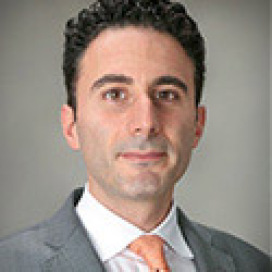
Jacques Fontaine
Pleural Specialist | Thoracic Surgery
Dr. Jacques Fontaine is the Director of the Mesothelioma Research and Treatment Center at Moffitt Cancer Center in Tampa, Florida. He specializes in minimally invasive thoracic surgery including robotic surgery. Fontaine became a pleural mesothelioma specialist while studying under Dr. Sugarbaker at the International Mesothelioma Program at Brigham & Women’s Hospital.
Read Bio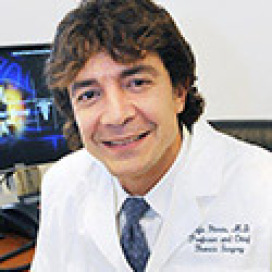
Raja Michael Flores
Pleural Specialist | Thoracic Surgery
Dr. Raja Michael Flores is a professor and chairman of the Department of Thoracic Surgery at Mount Sinai Medical Center in New York City. Flores is a widely respected expert in pleural mesothelioma and is a recognized leader in the field of thoracic surgery for pioneering video-assisted surgical techniques for lung cancer and mesothelioma.
Read Bio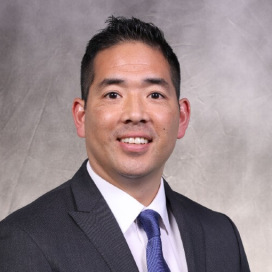
Jeffrey Velotta
Pleural Specialist | Thoracic Surgery
Dr. Jeffrey Velotta is a thoracic surgeon at Kaiser Permanente Oakland Medical Center, serving pleural mesothelioma patients on the West Coast. He is board certified in general, thoracic and cardiac surgery, and he trained under renowned mesothelioma specialist Dr. David Sugarbaker.
Read Bio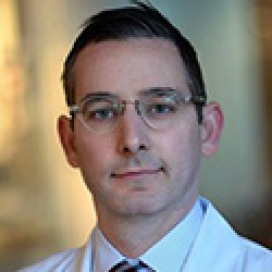
Bryan Burt
Pleural Specialist | Thoracic Surgery
Dr. Bryan Burt is chief of the thoracic surgery division at UCLA Health. Burt trained under mesothelioma pioneer Dr. David Sugarbaker.
Read Bio
Andrea Wolf
Pleural Specialist | Thoracic Surgery
Dr. Andrea Wolf is a thoracic surgeon and director of the Women’s Lung Cancer Program at Mount Sinai in New York. She received training under mesothelioma treatment pioneer Dr. David Sugarbaker and specializes in minimally invasive and multidisciplinary techniques.
Read Bio
Hedy Lee Kindler
Pleural Specialist | Peritoneal Specialist | Gastrointestinal Oncology
Dr. Hedy Lee Kindler is the director of the Mesothelioma Program at the University of Chicago Medical Center. She became a leading mesothelioma researcher and oncologist after losing her father to mesothelioma. Kindler is board certified in medical oncology and internal medicine, and she specializes in gastrointestinal oncology.
Read Bio
Marcelo DaSilva
Pleural Specialist | Thoracic Surgery
Dr. Marcelo DaSilva is medical director of thoracic surgery at the AdventHealth Cancer Institute, where he has built the Mesothelioma International Treatment Program.
Read Bio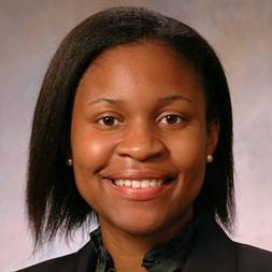
Ibiayi Dagogo-Jack
Pleural Specialist | Peritoneal Specialist | Oncology
Ibiayi Dagogo-Jack, MD, is a thoracic oncologist who treats peritoneal and pleural mesothelioma patients. Located in Boston, Massachusetts, she is an attending physician and an integral part of the Hematology Oncology team at Massachusetts General Hospital.
Read Bio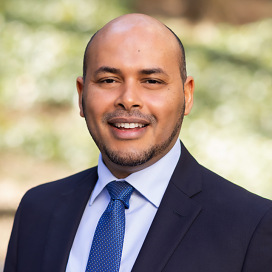
Mohamed Adam
Peritoneal Specialist | Surgical Oncology
Dr. Mohamed Adam is an assistant professor of surgical oncology who performs surgery for peritoneal mesothelioma and related asbestos cancers. He directs peritoneal surface malignancies at the University of California, San Francisco, focusing on cytoreductive surgery with HIPEC.
Read Bio
Dr. Alex Kim
Peritoneal Specialist | Surgical Oncology
Dr. Alex Kim is a surgical oncologist and assistant professor of Surgery at UT Southwestern Medical Center in Dallas, Texas. He directs the Peritoneal Surface Malignancy and HIPEC Program at the Harold C. Simmons Comprehensive Cancer Center, specializing in cancers like peritoneal mesothelioma.
Read BioBegin your search for a doctor in your area.
Get started by selecting location, type, specialty or language.
Best Doctors for Pleural Mesothelioma
Pleural mesothelioma affects the lining of the lungs and requires specialists who understand both the complexity of thoracic surgery and systemic treatments like chemotherapy and immunotherapy. The doctors featured here have extensive experience treating pleural mesothelioma patients and lead programs at the nation’s top cancer centers.
List of Best Pleural Mesothelioma Doctors
- Dr. Jacques P. Fontaine
- Dr. Raja M. Flores
- Dr. Jeffrey Velotta
- Dr Bryan Burt
- Dr. Andrea S. Wolf
We identified these pleural mesothelioma doctors based on their expertise, leadership in the field, patient outcomes and commitment to advancing treatment through research and clinical trials. They offer access to the latest surgical techniques, clinical trials and multidisciplinary care teams.
“When I was looking for a mesothelioma doctor, I realized how much it mattered to have someone who genuinely cared. My doctor didn’t just treat the cancer, they listened, explained every step, and made me feel seen,” pleural mesothelioma survivor Michael Cole said about his doctor. “In my experience, compassion and clear communication made all the difference when my life was on the line.”
Why Are These the Best Doctors for Pleural Mesothelioma?
These pleural mesothelioma specialists have extensive experience treating this cancer and hold leadership roles at major cancer centers where they advance treatment through research and clinical trials. Their specialized experience, institutional resources and dedication to innovation give pleural mesothelioma patients access to the best care available.
How These Doctors Help Pleural Patients
- Access to clinical trials: Their research leadership gives patients access to emerging treatments and experimental therapies not available elsewhere.
- Advanced surgical techniques: They offer the full range of surgical options and can match the approach to each patient’s needs.
- Comprehensive resources: These specialists practice at major cancer centers with the staff, equipment and support services needed for complex mesothelioma care.
- Multidisciplinary teams: They lead or participate in weekly tumor boards where multiple specialists collaborate on each patient’s care plan.
- Specialized expertise: Years of focus specifically on mesothelioma means they’ve treated hundreds of patients and understand nuances general oncologists may never encounter.
The National Cancer Database shows the greatest survival rates among pleural mesothelioma patients who received both surgery and chemotherapy. When combined strategically, these treatments attack cancer from multiple angles and give doctors flexibility to adjust plans as needs change throughout treatment.

Best Doctors for Peritoneal Mesothelioma
Peritoneal mesothelioma affects the lining of the abdomen and requires specialists with expertise in complex abdominal surgeries and heated chemotherapy techniques. The doctors featured here are leaders in cytoreductive surgery combined with HIPEC, the gold standard treatment approach for eligible peritoneal patients.
List of Best Peritoneal Mesothelioma Doctors
- Dr. Marcelo DaSilva
- Dr. Ibiayi Dagogo Jack
- Dr Mohammed Adam
- Dr Alex Kim
We identified these peritoneal mesothelioma doctors based on their surgical expertise with CRS and HIPEC, patient outcomes, leadership in the field and commitment to advancing care through research. They’ve achieved some of the longest survival times for this rare form of mesothelioma.
“There’s not a one-size-fits-all for this treatment…so if you actually go to a specialist who specializes in mesothelioma, they have all this knowledge,” Patient Advocate Missy Miller said. “They can help set up a treatment plan for you that will work best for your particular type of diagnosis.”
Why Are These the Best Doctors for Peritoneal Mesothelioma?
Peritoneal mesothelioma requires a different treatment approach than pleural mesothelioma, with cytoreductive surgery and HIPEC serving as the cornerstone of care for eligible patients. These specialists have spent years mastering these complex procedures and achieve survival outcomes that far exceed what general surgeons offer.
How These Doctors Help Peritoneal Patients
- Comprehensive care: They work with medical oncologists and other specialists to provide systemic chemotherapy when needed and monitor for recurrence.
- HIPEC expertise: These doctors have performed hundreds of CRS and HIPEC procedures and understand technical nuances like proper temperature control and optimal chemotherapy circulation.
- Patient selection: These specialists evaluate patients carefully to determine who is a candidate for CRS and HIPEC and recommend the best approach for each case.
- Research leadership: These doctors advance the field through clinical trials testing new chemotherapy agents for HIPEC and improved surgical techniques.
- Surgical precision: Cytoreductive surgery requires removing tumors from multiple abdominal organs without causing excessive complications.
Higher percentages of peritoneal patients qualify for surgery compared to pleural patients because the cancer is often more contained within the abdominal cavity. When patients can undergo cytoreductive surgery with HIPEC, this approach has consistently produced the best long-term outcomes for peritoneal mesothelioma.

Questions to Ask Your Mesothelioma Doctor
Bring these questions to your appointment to guide your decision about which specialist is right for you. The answers will help you understand the doctor’s approach and what treatment options make sense for your situation. Clear answers help you choose a specialist with the expertise and resources you need.
- What type and stage of mesothelioma do I have?
- How many mesothelioma patients do you treat each year?
- What is your experience with my specific type of mesothelioma?
- What treatments do you recommend and why?
- Do you work with a multidisciplinary team?
- Am I a candidate for surgery?
- What clinical trials are available to me?
- How will we monitor if treatment is working?
Consider bringing a family member or friend to appointments to help remember the information discussed and ask follow-up questions. Taking notes during your visit can also help you review the conversation later and make more informed decisions about your care.
How to Find the Best Mesothelioma Doctor for You
Your doctor choice depends on your diagnosis and treatment goals. Finding a mesothelioma specialist rather than a general oncologist significantly impacts your treatment options and outcomes. A Patient Advocate connects you with mesothelioma experts matched to your diagnosis, navigates insurance coverage, secures financial resources to cover treatment costs and provides information about clinical trials. Your Patient Advocate guides you from diagnosis through treatment and gives you and your loved ones the support and information you need.

Connect with top-rated doctors specializing in mesothelioma treatment, who will personalize treatment options based on your diagnosis.
Find Your DoctorMethodology
We identified the best mesothelioma doctors, evaluating specialist credentials, institutional leadership, research contributions and patient experiences. Our evaluation considers both clinical excellence and commitment to advancing mesothelioma care. These criteria help us recommend doctors who have the most impact treating this rare cancer.
How We Evaluate Mesothelioma Specialists
- Cancer center quality: Practice at NCI-designated comprehensive cancer centers or equivalent institutions with specialized mesothelioma programs gives patients access to resources, clinical trials and support services.
- Leadership roles: Directors of mesothelioma programs, department chairs and specialists leading multidisciplinary teams at major cancer centers demonstrate institutional trust and peer recognition.
- Multidisciplinary approach: Specialists who collaborate with oncologists, radiologists, pathologists and other experts provide comprehensive, coordinated care.
- Patient and specialist feedback: Direct conversations with mesothelioma doctors, patient experiences and Patient Advocate insights inform our understanding of how doctors approach care in practice.
- Research and clinical trials: Active participation in mesothelioma research, clinical trial leadership and peer-reviewed publications show commitment to advancing treatment.
This approach helps us recommend doctors with both clinical excellence and practical expertise in treating mesothelioma patients. We regularly update this page as new information becomes available.
Recommended Reading


