

Top Mesothelioma Centers in Arizona
The multidisciplinary care available at the National Cancer Institute’s cancer centers in Arizona can provide significant benefits for people being treated for mesothelioma by tailoring treatment to each person’s unique circumstances and care needs. Integrative oncology programs with rehabilitation therapy take excellent care of those with cancer, helping manage symptoms like pain, fatigue and anxiety.
Arizona has 2 NCI-Designated Cancer Centers, which are The University of Arizona Cancer Center in Tucson and the Mayo Clinic Cancer Center in Phoenix. These cancer centers are home to top oncology teams, cancer specialists and clinical trials. Comprehensive cancer centers offer cutting-edge mesothelioma treatment in Arizona, such as proton beam therapy, robotic surgery and other targeted treatments.

3838 North Campbell Ave, Tucson, AZ 85719

13400 East Shea Blvd, Scottsdale, AZ 85259

1900 N. Higley Road, Gilbert, AZ 85234

Locations of Arizona’s Top Cancer Centers
People may need to travel to Phoenix or Tucson for the best mesothelioma treatment in Arizona. The NCI-Designed Mayo Clinic Cancer Center is located in Phoenix, and there’s a related outpatient clinic in Scottsdale. Tucson is home to the University of Arizona Cancer Center.
Families living outside of Phoenix or Tucson can access cancer support programs in cities like Flagstaff and Prescott. State resources may provide lodging or transportation assistance for those who have to travel to Maricopa County or Pima County for mesothelioma treatment.
-
Arizona Cancer Center
3838 N Campbell Ave
Tucson, AZ 85719- NCI-Designated Cancer Center
-
Banner MD Anderson Cancer Center
1900 N. Higley Road
Gilbert, AZ 85234- Center of Excellence
- NCI-Designated Cancer Center
-
Mayo Clinic Arizona
13400 E Shea Blvd
Scottsdale, AZ 85259- NCI-Designated Cancer Center
Top Doctors in Arizona
Top mesothelioma doctors in Arizona include thoracic surgeons, medical oncologists and cancer researchers. Dr. Jonathan D’Cunha at the Mayo Clinic Comprehensive Cancer is one of the best pleural mesothelioma doctors in the state, specializing in precision surgeries for complex cancers. The Center’s Dr. Nabil Wasif provides state-of-the-art treatment for peritoneal mesothelioma, including cytoreductive surgery and heated chemotherapy, which are leading treatments for complex mesothelioma cases.
At the University of Arizona Cancer Center, Dr. Linda Garland has more than 25 years of expertise in thoracic oncology. She leads the center’s Clinical Research in Thoracic Oncology program, focusing on personalized therapies and clinical trials.
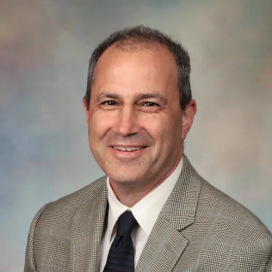
Jonathan D’Cunha
Pleural Specialist | Cardiothoracic Surgery
Dr. Jonathan D’Cunha treats patients with pleural mesothelioma and other thoracic conditions at the Mayo Clinic in Phoenix, Arizona.
Read Bio
Linda Garland
Medical Oncology
Dr. Linda Garland is a medical oncologist and clinical lung cancer program director at the University of Arizona Cancer Center in Tucson. She focuses on experimental therapeutics and personalized treatment strategies for mesothelioma and other chest cancers.
Read Bio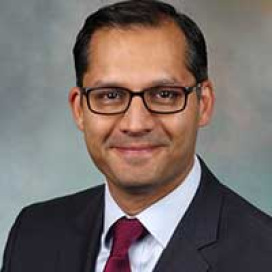
Nabil Wasif
Peritoneal Specialist | Surgical Oncology
Dr. Nabil Wasif specializes in treating patients with malignant peritoneal mesothelioma and other abdominal cancers at the Mayo Clinic in Phoenix, Arizona.
Read BioClinical Trials in Arizona
The leading cancer centers in Arizona conduct clinical trials to test new mesothelioma treatments and refine existing approaches. Taking part in clinical trials can provide access to the most promising emerging therapies, such as immunotherapy for peritoneal mesothelioma. Your eligibility for clinical trials may depend on your age, staging and overall health, among other factors.
NCT04981119
Solid Tumor Analysis for HLA Loss of Heterozygosity (LOH) and Apheresis for CAR T- Cell Manufacturing
Objective: To collect information on how often a solid tumor cancer might lose the Human Leukocyte Antigen (HLA) by next generation sequencing and perform apheresis to collect and store an eligible participant's own T cells for future use to make CAR T-Cell therapy for their disease treatment. Design: This is a non-interventional, observational study to evaluate participants with solid tumors with a high risk of relapse for incurable disease. No interventional therapy will be administered on this study. Some of the information regarding the participant's tumor analysis may be beneficial to management of their disease. Participants that meet all criteria may be enrolled and leukapheresed (blood cells collected). The participant's cells will be processed and stored for potential manufacture of CAR T-cell therapy upon relapse of their cancer.
Locations
-
Arizona (2)
- Banner Health — Gilbert
- Mayo Clinic Hospital — Phoenix
-
California (3)
- University of California San Diego — La Jolla
- Stanford University — Palo Alto
- UCLA Medical Center — Santa Monica
-
Florida (2)
- Mayo Clinic Jacksonville — Jacksonville
- Moffitt Cancer Center — Tampa
-
Minnesota (1)
- Mayo Clinic Rochester — Rochester
-
Missouri (1)
- Washington University — St Louis
-
New York (1)
- NYU Langone Medical Center — New York
-
Ohio (1)
- The Ohio State University Comprehensive Cancer Center — Columbus
-
Tennessee (1)
- Vanderbilt University Medical Center — Nashville
-
Washington (1)
- Fred Hutchinson Cancer Center — Seattle
NCT05245500
Phase 1 Study of MRTX1719 in Solid Tumors With MTAP Deletion
This is a Phase 1, open-label, multicenter, study of the safety, tolerability, PK, PD, and anti-tumor activity of MRTX1719 patients with advanced, unresectable or metastatic solid tumor malignancy with homozygous deletion of the MTAP gene.
Locations
-
Arizona (1)
- Mayo Clinic — Phoenix
-
Colorado (1)
- Rocky Mountain Cancer Centers, LLP – Oncology — Lone Tree
-
Florida (2)
- Mayo Clinic — Jacksonville
- Sarah Cannon Research Institute at Florida Cancer Specialists — Orlando
-
Massachusetts (1)
- Dana-Farber Cancer Institute — Brookline
-
Michigan (2)
- The Cancer & Hematology Centers — Grand Rapids
- Cancer and Hematology Centers of Western Michigan — Norton Shores
-
Minnesota (1)
- Mayo Clinic — Rochester
-
New Jersey (1)
- Rutgers Cancer Institute of New Jersey — New Brunswick
-
New York (4)
- Perlmutter Cancer Center at NYU Langone Hospital Long Island — Mineola
- David H Koch, Memorial Sloan Kettering Cancer Center — New York
- New york cancer and blood specialists – Oncology — Port Jefferson Station
- New york cancer and blood specialists – Oncology — Port Jefferson Station
-
North Carolina (2)
- University of North Carolina – Gastroenterology and Hepatology — Chapel Hill
- University of North Carolina — Chapel Hill
-
Tennessee (1)
- Vanderbilt – Ingram Cancer Center — Nashville
-
Texas (5)
- Ut Southwestern — Dallas
- Texas Oncology – DFW — Fort Worth
- MDACC — Houston
- South Texas Accelerated Research Therapeutics — San Antonio
- Texas Oncology, P.A. – Oncology — Tyler
-
Virginia (1)
- Virginia Cancer Specialists, PC — Fairfax
NCT06251310
SW-682 in Advanced Solid Tumors
This is a first-in-human (FIH), Phase 1a/1b open-label, multicenter, dose escalation and dose expansion study of SW-682 in adult participants with metastatic or unresectable advanced solid tumors with or without Hippo pathway alterations that are refractory to, or have progressed, during or after appropriate prior systemic anticancer therapy, including chemotherapy, immunotherapy, radiation therapy or targeted therapy, or for which no treatment is available, or prior standard of care (SOC) therapy was not tolerated and for which there is no further SOC treatment available. The study includes a Part 1 (Phase 1a) dose escalation phase and a Part 2 (Phase 1b) dose expansion to optimize the dose to be used for further development. All participants will self-administer SW-682 by mouth in 28-day cycles.
Locations
-
Arizona (1)
- HonorHealth Research Institute — Scottsdale
-
California (3)
- USC Norris Comprehensive Cancer Center and Hospital — Los Angeles
- UC San Diego Moores Cancer Center — Sacramento
- UCLA Hematology-Oncology – Santa Monica — Santa Monica
-
Ohio (1)
- University Hospital of Cleveland — Cleveland
-
Oregon (1)
- Oregon Health and Science University, Knight Cancer Institute – Marquam Hill — Portland
-
Texas (2)
- Mary Crowley Research Center US Oncology — Dallas
- U.T. MD Anderson Cancer Center — Houston
NCT06051695
A Study to Evaluate the Safety and Efficacy of Mesothelin-Targeting Logic-gated CAR T, in Participants With Solid Tumors That Express MSLN and Have Lost HLA-A*02 Expression
The goal of this study is to test autologous logic-gated Tmod™ CAR T-cell products in subjects with solid tumors including colorectal cancer (CRC), pancreatic cancer (PANC), non-small cell lung cancer (NSCLC), ovarian cancer (OVCA), mesothelioma (MESO), and other solid tumors that express mesothelin (MSLN) and have lost HLA-A\*02 expression. The main questions this study aims to answer are: Phase 1: What is the recommended dose that is safe for patients Phase 2: Does the recommended dose kill solid tumor cells and protect the patient's healthy cells Participants will be required to perform study procedures and assessments, and will also receive the following study treatments: Enrollment and Apheresis in BASECAMP-1 (NCT04981119) Preconditioning Lymphodepletion (PCLD) Regimen Tmod CAR T cells at the assigned dose
Locations
-
Arizona (1)
- Banner Health — Gilbert
-
California (3)
- UCSD Moores Cancer Center — La Jolla
- UCLA Medical Center — Los Angeles
- Stanford University — Stanford
-
Florida (2)
- Mayo Clinic — Jacksonville
- Moffitt Cancer Center — Tampa
-
Minnesota (1)
- Mayo Clinic Rochester — Rochester
-
Missouri (1)
- Washington University — St Louis
-
New York (1)
- NYU Langone Medical Center — New York
-
Ohio (1)
- The Ohio State University Comprehensive Cancer Center — Columbus
-
Tennessee (1)
- Vanderbilt University Medical Center — Nashville
-
Washington (1)
- Fred Hutchinson Cancer Center — Seattle
NCT05647265
Testing the Addition of Immunotherapy Before Surgery for Patients With Sarcomatoid Mesothelioma
This phase II trial evaluates the safety and effectiveness of giving immunotherapy (nivolumab and ipilimumab) before surgery for controlling disease in patients with stage I-IIIa sarcomatoid mesothelioma. Immunotherapy with monoclonal antibodies, such as nivolumab and ipilimumab, may help the body's immune system attack the cancer, and may interfere with the ability of tumor cells to grow and spread. Giving immunotherapy before surgery may be more effective at controlling disease in patients with sarcomatoid mesothelioma than giving immunotherapy alone.
Locations
-
Alaska (6)
- Anchorage Associates in Radiation Medicine — Anchorage
- Alaska Breast Care and Surgery LLC — Anchorage
- Alaska Oncology and Hematology LLC — Anchorage
- Alaska Women's Cancer Care — Anchorage
- Katmai Oncology Group — Anchorage
- Providence Alaska Medical Center — Anchorage
-
Arizona (3)
- Kingman Regional Medical Center — Kingman
- Mayo Clinic Hospital in Arizona — Phoenix
- Mayo Clinic in Arizona — Scottsdale
-
California (6)
- PCR Oncology — Arroyo Grande
- Providence Saint Joseph Medical Center/Disney Family Cancer Center — Burbank
- UC San Diego Moores Cancer Center — La Jolla
- Providence Queen of The Valley — Napa
- Providence Medical Foundation – Santa Rosa — Santa Rosa
- Providence Santa Rosa Memorial Hospital — Santa Rosa
-
Florida (1)
- Mayo Clinic in Florida — Jacksonville
-
Idaho (5)
- Saint Luke's Cancer Institute – Boise — Boise
- Saint Luke's Cancer Institute – Fruitland — Fruitland
- Saint Luke's Cancer Institute – Meridian — Meridian
- Saint Luke's Cancer Institute – Nampa — Nampa
- Saint Luke's Cancer Institute – Twin Falls — Twin Falls
-
Illinois (15)
- Rush-Copley Medical Center — Aurora
- Northwestern University — Chicago
- University of Chicago Comprehensive Cancer Center — Chicago
- Carle at The Riverfront — Danville
- Northwestern Medicine Cancer Center Kishwaukee — DeKalb
- Carle Physician Group-Effingham — Effingham
- Northwestern Medicine Cancer Center Delnor — Geneva
- Northwestern Medicine Glenview Outpatient Center — Glenview
- Northwestern Medicine Grayslake Outpatient Center — Grayslake
- Northwestern Medicine Lake Forest Hospital — Lake Forest
- Carle Physician Group-Mattoon/Charleston — Mattoon
- Northwestern Medicine Orland Park — Orland Park
- Carle Cancer Center — Urbana
- Northwestern Medicine Cancer Center Warrenville — Warrenville
- Rush-Copley Healthcare Center — Yorkville
-
Minnesota (2)
- University of Minnesota/Masonic Cancer Center — Minneapolis
- Mayo Clinic in Rochester — Rochester
-
Montana (1)
- Saint Patrick Hospital – Community Hospital — Missoula
-
Nevada (28)
- Carson Tahoe Regional Medical Center — Carson City
- Comprehensive Cancer Centers of Nevada – Henderson — Henderson
- Comprehensive Cancer Centers of Nevada-Horizon Ridge — Henderson
- Comprehensive Cancer Centers of Nevada-Southeast Henderson — Henderson
- Oncology Las Vegas – Henderson — Henderson
- Urology Specialists of Nevada – Green Valley — Henderson
- OptumCare Cancer Care at Charleston — Las Vegas
- University Medical Center of Southern Nevada — Las Vegas
- Hope Cancer Care of Nevada — Las Vegas
- Radiation Oncology Centers of Nevada Central — Las Vegas
- Urology Specialists of Nevada – Central — Las Vegas
- Sunrise Hospital and Medical Center — Las Vegas
- Urology Specialists of Nevada – Southwest — Las Vegas
- Radiation Oncology Centers of Nevada Southeast — Las Vegas
- Comprehensive Cancer Centers of Nevada – Northwest — Las Vegas
- Oncology Las Vegas – Tenaya — Las Vegas
- OptumCare Cancer Care at MountainView — Las Vegas
- Urology Specialists of Nevada – Northwest — Las Vegas
- Alliance for Childhood Diseases/Cure 4 the Kids Foundation — Las Vegas
- Comprehensive Cancer Centers of Nevada – Town Center — Las Vegas
- Comprehensive Cancer Centers of Nevada-Summerlin — Las Vegas
- Summerlin Hospital Medical Center — Las Vegas
- Comprehensive Cancer Centers of Nevada — Las Vegas
- Comprehensive Cancer Centers of Nevada – Central Valley — Las Vegas
- OptumCare Cancer Care at Fort Apache — Las Vegas
- Hope Cancer Care of Nevada-Pahrump — Pahrump
- Renown Regional Medical Center — Reno
- Saint Mary's Regional Medical Center — Reno
-
North Carolina (3)
- Duke University Medical Center — Durham
- Duke Cancer Center Southpoint — Durham
- Duke Cancer Center Raleigh — Raleigh
-
Oregon (9)
- Saint Charles Health System — Bend
- Clackamas Radiation Oncology Center — Clackamas
- Bay Area Hospital — Coos Bay
- Providence Hood River Memorial Hospital — Hood River
- Providence Newberg Medical Center — Newberg
- Providence Willamette Falls Medical Center — Oregon City
- Providence Portland Medical Center — Portland
- Providence Saint Vincent Medical Center — Portland
- Saint Charles Health System-Redmond — Redmond
-
Texas (4)
- UT Southwestern Simmons Cancer Center – RedBird — Dallas
- UT Southwestern/Simmons Cancer Center-Dallas — Dallas
- UT Southwestern/Simmons Cancer Center-Fort Worth — Fort Worth
- UT Southwestern Clinical Center at Richardson/Plano — Richardson
-
Washington (21)
- Providence Regional Cancer System-Aberdeen — Aberdeen
- PeaceHealth Saint Joseph Medical Center — Bellingham
- Providence Regional Cancer System-Centralia — Centralia
- Swedish Cancer Institute-Edmonds — Edmonds
- Providence Regional Cancer Partnership — Everett
- Swedish Cancer Institute-Issaquah — Issaquah
- Kadlec Clinic Hematology and Oncology — Kennewick
- Providence Regional Cancer System-Lacey — Lacey
- PeaceHealth Saint John Medical Center — Longview
- Skagit Regional Health Cancer Care Center — Mount Vernon
- Valley Medical Center — Renton
- Swedish Medical Center-Ballard Campus — Seattle
- Swedish Medical Center-Cherry Hill — Seattle
- Swedish Medical Center-First Hill — Seattle
- PeaceHealth United General Medical Center — Sedro-Woolley
- Cancer Care Northwest – Spokane South — Spokane
- Cancer Care Northwest-Valley — Spokane
- Cancer Care Northwest-North Spokane — Spokane
- PeaceHealth Southwest Medical Center — Vancouver
- Providence Saint Mary Regional Cancer Center — Walla Walla
- North Star Lodge Cancer Center at Yakima Valley Memorial Hospital — Yakima
NCT07705334
A Study of SHY-ONC6, a Novel Proteasome Inhibitor, in Adults With Advanced or Metastatic Solid Tumors
This is a Phase 1, first-in-human (FIH), open-label, multicenter study designed to evaluate the safety, tolerability, PK, and preliminary anti-tumor activity of SHY-ONC6 in participants with advanced or metastatic solid tumors who have progressed on or are intolerant to standard therapies. The study will consist of 2 parts: a dose escalation part (Phase 1a) and a dose expansion part (Phase 1b).
Locations
-
Arizona (1)
- HonorHealth Research Institute — Scottsdale
-
Texas (2)
- The University of Texas MD Anderson Cancer Center — Houston
- NEXT Oncology — San Antonio
NCT07277413
A Study of IDE892 as Monotherapy and Combination in MTAP-deleted Advanced Solid Tumors
This is a multicenter clinical study to evaluate the safety, efficacy, and Pharmacokinetics (PK) of IDE892 as monotherapy and in combination with other agents including IDE397 in participants with methylthioadenosine phosphorylase (MTAP)-deleted advanced solid tumors within indications of interest.
Locations
-
Arizona (2)
- City of Hope Cancer Center-Phoenix — Goodyear
- Mayo Clinic Arizona — Phoenix
-
California (2)
- City of Hope Cancer Center-Duarte — Duarte
- Providence Medical Foundation — Santa Rosa
-
District of Columbia (1)
- Johns Hopkins Sibley Memorial Hospital — Washington D.C.
-
Florida (4)
- BRCR Global-Coral Springs — Coral Springs
- Mayo Clinic Florida — Jacksonville
- Sarah Cannon Research Institute at Florida Cancer Specialists — Orlando
- Moffitt Cancer Center — Tampa
-
Illinois (1)
- City of Hope Cancer Center-Chicago — Zion
-
Minnesota (1)
- Mayo Clinic Rochester — Rochester
-
Nebraska (1)
- Nebraska Cancer Specialists — Omaha
-
New Jersey (1)
- START Astera, LLC — East Brunswick
-
New York (1)
- Columbia University Irving Medical Center — New York
-
Pennsylvania (1)
- Sidney Kimmel Comprehensive Cancer Center Thomas Jefferson University — Philadelphia
-
Tennessee (1)
- Sarah Cannon Research Institute — Nashville
-
Texas (4)
- START Dallas Fort Worth — Fort Worth
- MD Anderson — Houston
- NEXT Oncology Houston — Houston
- NEXT Oncology Dallas — Irving
-
Utah (1)
- START Mountain Region, LLC — West Valley City
-
Virginia (1)
- NEXT Oncology Virginia — Fairfax
-
Washington (1)
- Swedish Cancer Institute — Seattle
NCT05579366
Rinatabart Sesutecan (Rina-S, PRO1184, GEN1184) for Advanced Solid Tumors (GCT1184-01/ PRO1184-001)
This study will test the safety, including side effects, and determine the characteristics of a drug called Rina-S in participants with solid tumors. Participants will have solid tumor cancer that has spread through the body (metastatic) or cannot be removed with surgery (unresectable).
Locations
-
Arizona (2)
- USOR HonorHealth — Phoenix
- USOR Arizona Oncology Associates — Tucson
-
California (4)
- University of California Los Angeles Medical Center — Los Angeles
- University of California, San Diego; Moores Cancer Center — San Diego
- USOR Sansum Clinic — Santa Barbara
- Providence Medical Foundation — Santa Rosa
-
Florida (3)
- USOR Florida Cancer Specialists South — Fort Myers
- USOR Florida Cancer Specialists North — St. Petersburg
- USOR Florida Cancer Specialists East — West Palm Beach
-
Georgia (1)
- Augusta University Georgia Cancer Center — Augusta
-
Kansas (1)
- University of Kansas Medical Center (KUMC) — Westwood
-
Maryland (1)
- USOR Maryland Oncology Hematology — Rockville
-
Massachusetts (2)
- Massachusetts General Hospital — Boston
- Dana Farber Cancer Institute — Boston
-
Michigan (2)
- Karmanos Cancer Institute — Detroit
- START Midwest — Grand Rapids
-
Minnesota (1)
- USOR Minnesota Oncology Hematology — Maplewood
-
New Jersey (1)
- MD Anderson Cancer Center at Cooper- Two Cooper Plaza — Camden
-
Ohio (1)
- Ohio State University Comprehensive Cancer Center (OSUCCC)- The James Cancer Hospital and Solove Research Institute — Columbus
-
Oklahoma (1)
- University of Oklahoma – Health Sciences Center — Oklahoma City
-
Oregon (2)
- USOR Oncology Associates of Oregon, P.C. — Eugene
- Compass Oncology – Rose Quarter — Portland
-
Pennsylvania (2)
- USOR Alliance Cancer Specialist — Doylestown
- Allegheny Health Network — Pittsburgh
-
Rhode Island (1)
- Women and Infants Hospital of Rhode Island — Providence
-
Tennessee (2)
- Sarah Cannon Research Institute at Tennessee Oncology — Nashville
- Tennessee Oncology — Nashville
-
Texas (6)
- USOR Texas Oncology — Abilene
- Texas Oncology – Central / South Texas — Austin
- Mary Crowley Cancer Research — Dallas
- USOR Texas Oncology — Fort Worth
- Texas Oncology – Northeast TX — Tyler
- USOR Texas Oncology Gulf Coast — Woodland
-
Utah (1)
- START Mountain Region — West Valley City
-
Virginia (2)
- USOR Virginia Cancer Specialists — Fairfax
- USOR Virginia Oncology Associates — Norfolk
-
Washington (1)
- Swedish Cancer Institute — Everett
Financial Support for Treatment in Arizona
People who have mesothelioma can access several types of financial assistance in Arizona, from emergency support to free services. Local nonprofits may help cover expenses like transportation and lodging, food and bills. Some cancer centers in the state, including the Mayo Clinic Cancer Center in Phoenix, have financial assistance programs for those who can’t otherwise afford necessary care.
Arizona Aid Programs for People With Mesothelioma
- Arizona Foundation for Cancer: Based in Tucson, the Arizona Foundation for Cancer provides limited but ongoing financial aid to help people being treated for cancer. Arizona residents with mesothelioma can apply for gas cards and hotel assistance. The organization also provides complimentary house cleaning services for those who have recently undergone surgery and live alone.
- Medicaid Through AHCCCS: The Arizona Health Care Cost Containment System is the state’s Medicaid program. It can help people being treated for mesothelioma who can’t afford outside insurance. The AHCCCS program can cover surgery, specialist care, emergency transportation, prescriptions and other medical costs.
- The Joy Bus: This Phoenix-based nonprofit delivers free meals to locals with cancer every week. In 2025, the charity provided more than 25,000 meals to families in Phoenix, Glendale, Scottsdale, Peoria and other cities.
- Meals on Wheels – Prescott: Prescott Valley-area residents with mobility issues that prevent them from shopping for groceries or cooking can receive a nutritious meal delivered in person 5 days a week. Similar programs are available in many other Arizona counties.
- Southeastern Arizona Community Unique Services: SEACUS helps people who have cancer, seniors and caregivers living in the Gila Valley. This longtime nonprofit provides significant in-home support, including meal prep, light housekeeping, grooming assistance and respite care. The organization can even help pay for medically necessary home modifications.
- Southwest Lending Closet: Depending on needs and item availability, families in the Avondale-Maricopa County region can rent medical equipment from this nonprofit for free. Rentals usually last 90 days and include bathroom equipment, walkers, wheelchairs and bed tables.
Speak with one of our Patient Advocates for help locating other county, state and national mesothelioma financial aid programs. Our Veterans Department can support U.S. veterans with the benefits approval process, helping people diagnosed with mesothelioma apply for disability compensation and other assistance.
Cancer Resources in Arizona
Arizona nonprofits like the Phoenix Cancer Support Network offer free support services for people with mesothelioma and their caregivers and families. These programs provide vital physical, mental, emotional and spiritual support when those experiencing mesothelioma need it most.
Physical, Emotional and Practical Support
- American Cancer Society – Arizona: The American Cancer Society offers many free local support services for people with cancer, including treatment information, transportation services and lodging for those who have to travel for mesothelioma treatment in Arizona.
- Aster: Older people with mesothelioma living in the East Valley Region can take advantage of practical support at Aster Senior Centers, including meal delivery, grocery shopping services, in-home housekeeping and personal care, lunchtime meal events and social activities.
- Cancer Support Community Arizona: CSCAZ has been helping those with cancer in Central and Northern Arizona for more than 25 years. Locations in Flagstaff and Phoenix offer mental and emotional support through mind-body therapies, social activities, art classes, nutritional counseling, educational resources and support groups for people with cancer, caregivers and family members.
- Loving Hands of Healing Hope: This Tucson nonprofit offers spa and wellness care to people being treated for cancer. Some offerings are facials, manicures and pedicures, massage therapy and styling consultations. Licensed practitioners provide all services free of charge.
- Mesothelioma Survivor, Caregiver & Family Support: Families in Arizona at every stage of a mesothelioma diagnosis can find comfort and support in this mesothelioma-specific Facebook group. Here, people who are newly diagnosed, survivors and others impacted by mesothelioma can share their experiences freely.
- Our Neighbors Farm & Pantry: People living in Graham County who are experiencing financial hardship can enroll in ONF&P’s food pantry program, including people who have mesothelioma and their families. This program provides fresh, garden-grown vegetables and fruits throughout the year.
- Phoenix Cancer Support Network: PCSN provides helpful guidance to people with cancer who are overwhelmed with a new diagnosis, including educational resources and connections to local support groups. The Phoenix-based nonprofit also offers free services like yard work, house cleaning, at-home caregiver support, meal programs and transportation.
Families facing mesothelioma can also find extensive support resources by dialing 211 in Arizona. The 211 Arizona Information and Referral Services program can guide people with mesothelioma to local support groups for transportation, supplements, food and rent assistance.
What Survivors Say About Their Mesothelioma Treatment in Arizona
Arizona mesothelioma patients who have shared their stories with us have spoken about their experiences with mesothelioma treatment. Patient experiences with cytoreductive surgery with heated chemotherapy and immunotherapy clinical trials reflect the advanced treatment and research from cancer centers in Arizona.
Survivor Experience
“I’ve learned that life can throw you curve balls that are pretty tough to deal with. But that doesn’t mean your life is over. They test you. They really test you, but you can’t let them define you. I was in that why-me dark place early on, but I learned how to overcome it.”
Jim D. , Peritoneal Mesothelioma SurvivorVerified Asbestos.com Survivor


