Mesothelioma immunotherapy helps the immune system locate and combat cancer cells. This treatment enhances the body's ability to fight mesothelioma. Immunotherapy for mesothelioma benefits include a longer life, improved quality of life and reduced symptoms.
Immunotherapy for mesothelioma is a treatment that uses your own immune system to fight this asbestos-related cancer. Unlike chemotherapy or radiation, which directly attack cancer cells, immunotherapy boosts the body’s natural defenses to recognize and destroy mesothelioma cells.
Key Facts About Mesothelioma Immunotherapy
Immunotherapy can help your immune system recognize and attack mesothelioma cells. In the CheckMate 743 trial, the 2-year survival rate was 41% for patients treated with Opdivo and Yervoy and 27% for those treated with chemotherapy alone.
More patients are accessing immunotherapy every year. In our 2025 survey, 22% of people with mesothelioma said they’d tried immunotherapy as part of their treatment plan.
Immunotherapy is now one of the top treatments for malignant mesothelioma.
Mesothelioma immunotherapy has become a standard part of care for many patients in recent years, offering new hope for those with difficult-to-treat tumors. Doctors often use immunotherapy alongside other mesothelioma treatments, such as chemo or surgery, to improve outcomes.
Expert Insight
“I’ve treated mesothelioma patients who had exhausted older chemotherapy regimens. But improved surgical management and additional immunotherapy options have helped extend their lives in ways we never thought possible just a decade ago.”
Dr. Andrea Wolf, thoracic surgeon and director of the New York Mesothelioma Program at Mount Sinai
How Does Immunotherapy Work to Treat Mesothelioma?
Immunotherapy works by helping your immune system recognize and attack mesothelioma cells it would otherwise miss. Your immune system naturally fights infections using T-cells that seek out and destroy harmful invaders (in this case, tumor cells). However, mesothelioma tumors use deceptive tactics to hide from these immune cells, while immunotherapy removes their disguise.
Dr. Jacques Fontaine, thoracic surgeon and director of the Mesothelioma Research and Treatment Center at Moffitt Cancer Center, tells us, “As of a few years ago, we’ve found that immunotherapy, which is basically an injection either underneath the skin or by the vein, boosts the immune system to fight the cancer. It’s also an excellent choice for mesothelioma.”
Let's Prepare You for Your Doctor's Visit
Answer a few questions, and download a free, personalized list of questions to ask your doctor.
The Role of Checkpoint Inhibitors
Checkpoint inhibitors are a class of immunotherapy drugs that block proteins cancer cells use to hide from the immune system. These drugs target specific immune “checkpoints,” molecular signals that normally prevent T-cells from attacking healthy tissue. Mesothelioma tumors exploit these checkpoints to avoid detection.
Specifically, PD-1 is a checkpoint protein found on T-cells, while PD-L1 is its binding partner often expressed on mesothelioma tumor cells. When PD-L1 on a tumor binds to PD-1 on a T-cell, it sends a “stop” signal that prevents the immune cell from attacking. Drugs like Opdivo (nivolumab) and Keytruda (pembrolizumab) block PD-1 pathway that tumors use to evade detection. Breaking this connection allows T-cells to recognize and destroy cancer cells.
CTLA-4 is another checkpoint protein that acts as a “brake” on T-cell activation, limiting how aggressively the immune system responds. Yervoy (ipilimumab) blocks CTLA-4, releasing this brake and allowing T-cells to multiply and attack mesothelioma tumors more aggressively. When combined with a PD-1 inhibitor like Opdivo, this dual-checkpoint approach attacks mesothelioma from two angles.
Immune cells locate and destroy mesothelioma cancer cells.
FDA-Approved Mesothelioma Immunotherapy Drugs
These 3 immunotherapy drugs are FDA-approved to treat pleural mesothelioma: Keytruda, Opdivo and Yervoy. Immunotherapy has become a standard treatment for inoperable pleural mesothelioma.
Immunotherapy Drugs Approved to Treat Mesothelioma
Keytruda (pembrolizumab): The FDA approved Keytruda in September 2024 for treating unresectable pleural mesothelioma with standard chemo (pemetrexed and platinum). It shows better tumor response rates and survival than chemo alone.
Opdivo (nivolumab): The FDA approved Opdivo with Yervoy (ipilimumab) in October 2020 for first-line treatment of adults with unresectable pleural mesothelioma. This was the first immunotherapy combination approved specifically for mesothelioma. The approval was based on results from the CheckMate 743 clinical trial, which showed significant survival benefits over chemotherapy.
Yervoy (ipilimumab): Approved with Opdivo in October 2020 for first-line treatment of unresectable malignant pleural mesothelioma, Yervoy targets the CTLA-4 immune checkpoint, enhancing the immune system’s ability to destroy cancer cells.
These immunotherapy treatments represent the current gold standard for mesothelioma patients who can’t undergo surgery. While Keytruda combined with chemo offers strong results for many patients, the Opdivo and Yervoy combination has shown particular effectiveness for non-epithelioid mesothelioma.
Surviving Mesothelioma Book
A Survivor’s Guide to Living With Mesothelioma
Learn about Judy Glezinski’s inspiring journey as a mesothelioma survivor, and get tips on how to improve your prognosis.
Immunotherapy offers fewer side effects, targeted action and several other key benefits for mesothelioma patients that set it apart from conventional treatments. It has helped some patients live longer while maintaining a better quality of life. Researchers also continue to study newer approaches, including CAR T-cell therapy, cancer vaccines and oncolytic viruses, in hopes of improving outcomes even further.
Clinical trials have shown promising results for immunotherapy. A 2023 study in JAMA Network Open found that many people with peritoneal mesothelioma treated with Keytruda lived longer and reported a better quality of life. The CheckMate 743 trial was one of the studies that helped establish immunotherapy as an important treatment option for mesothelioma. It showed that Opdivo and Yervoy could improve survival for some patients than chemo alone.
Mesothelioma Immunotherapy Success Rates
Keytruda + chemo: Patients treated with the combination therapy had a median survival of 17.3 months versus 16.1 months with chemo alone, with improved progression-free survival.
2-year survival rate: 41% of mesothelioma patients treated with immunotherapy reached 2-year survival, while only 27% of those treated with chemo alone did.
Opdivo + Yervoy: Median overall survival was 18.1 months for patients treated with the combination therapy and 12 to 14 months for those treated with chemo.
5-year survival rate: In a 2026 study in the Journal of Clinical Oncology, 14% of patients on Opdivo and Yervoy survived 5 years while 6% receiving only chemo survived as long.
These therapies specifically target cancer cells, protecting healthy tissues. Treatment is personalized based on each patient’s cancer markers, increasing the chances of success. Plus, immunotherapy complements chemotherapy or surgery to improve patient outcomes.
The most significant benefit of immunotherapy for mesothelioma is hope for a cure. Mesothelioma patients and families now have more options to try, even after standard treatments. Seeing tumors shrink from immunotherapy or hearing that a therapy keeps the cancer stable can be highly encouraging. Survivor accounts offer firsthand perspectives of how clinical progress in immunotherapy becomes real and life-changing.
Researchers hope newer approaches like CAR T-cell therapy, cancer vaccines and oncolytic viruses can improve survival even more. Research on immunotherapy for mesothelioma is advancing, with promising therapies in actively recruiting clinical trials happening across the country.
Experimental Methods to Treat Mesothelioma
CAR T-cell and protein therapies: Doctors extract immune cells from your blood, modify them in a lab to fight cancer more effectively, then return them to your body. This helps your immune system better target mesothelioma tumors. Several U.S. clinical trials are recruiting participants.
Mesothelioma cancer vaccines: These vaccines train your immune system to recognize and attack existing mesothelioma cells through exposure to cancer-specific proteins. Unlike preventive vaccines, these fight cancer already present in your body. Multiple vaccine trials are ongoing in the U.S.
Monoclonal antibodies: These laboratory-made antibodies target mesothelin, a protein on mesothelioma cells. Amatuximab and Tremelimumab are two under study. Multiple trials involving monoclonal antibodies for mesothelioma are actively recruiting patients.
Virotherapy: Also called oncolytic virus therapy, this uses engineered viruses to infect and destroy mesothelioma cells while sparing healthy tissue. When cancer cells burst, they release substances that activate your immune response. Researchers are exploring adenoviruses, measles, herpesviruses and reoviruses.
Participation in clinical trials allows patients to access innovative therapies early. Researchers want to make these methods available to all to help people with mesothelioma live longer and better lives.
Landmark Clinical Trials
Several earlier clinical trials helped shape the current use of immunotherapy for mesothelioma. These landmark studies led to FDA approvals and provided evidence that changed how doctors approach treatment.
Noteworthy Clinical Trials
CheckMate 743 is the landmark clinical trial that led to FDA approval of Opdivo plus Yervoy for mesothelioma. Published in The Lancet in 2021, the trial enrolled 605 patients with unresectable malignant pleural mesothelioma. Patients receiving the immunotherapy combination lived a median of 18.1 months compared to 14.1 months with standard platinum-based chemotherapy, a 4-month improvement in overall survival. The combination showed particular effectiveness for patients with non-epithelioid (sarcomatoid or biphasic) mesothelioma, where median survival nearly doubled compared to chemotherapy.
KEYNOTE-483 is the clinical trial that supported Keytruda’s September 2024 FDA approval for mesothelioma. The Phase 3 trial combined Keytruda with pemetrexed and platinum-based chemotherapy as a first-line treatment. Results showed that adding Keytruda to chemotherapy improved both progression-free survival and overall survival compared to chemotherapy alone, leading the FDA to approve this combination for unresectable pleural mesothelioma.
Trials like CheckMate 743 provide important evidence about how immunotherapy compares with chemo for mesothelioma. These studies also help researchers refine treatment approaches and identify which patients may benefit most from immunotherapy.
Jim M.
Verified Asbestos.com Survivor
Navy Veteran Experiences Positive Results After Mesothelioma Immunotherapy Trial
Mesothelioma patient Jim M. was able to get into a clinical trial at Dana-Farber Cancer Institute in Boston, testing a combination of the immunotherapy drugs durvalumab and tremelimumab. For the first few months, he experienced extremely positive results. The cancer had stabilized.
Who Is a Candidate for Mesothelioma Immunotherapy?
People with advanced mesothelioma that can’t be removed with surgery and those with non-epithelioid cell types (sarcomatoid or biphasic) often benefit from immunotherapy. But doctors consider several factors before recommending it, including previous mesothelioma treatments, overall health and specific tumor characteristics. Each patient is unique, and specialists evaluate these factors individually. Even those who haven’t responded well to earlier treatments may benefit from immunotherapy.
Factors Influencing Candidacy for Mesothelioma Immunotherapy
Cell type: Patients with nonepithelioid mesothelioma (sarcomatoid or biphasic) often respond better to immunotherapy than chemotherapy.
Overall health and performance status: Doctors use the Eastern Cooperative Oncology Group status to assess whether a patient is healthy enough for immunotherapy.
PD-L1 biomarker status: High PD-L1 levels may predict better response, but patients with low or negative PD-L1 can still benefit from immunotherapy.
Previous treatment response: Patients whose mesothelioma progressed or returned after chemotherapy may qualify for immunotherapy as a second-line treatment.
Stage and operability: Patients with advanced, metastatic, or unresectable mesothelioma are typically prime candidates for immunotherapy.
Dr. Catherine Perrault, a medical officer with The Mesothelioma Center’s Medical Outreach Program, discussed the role mesothelioma cell types play in eligibility in a our recent webinar on Keytruda. She noted people with different mesothelioma cell types may respond differently to immunotherapy. But having a specific type doesn’t necessarily disqualify a patient from receiving immunotherapy.
Mesothelioma clinical trials may also provide immunotherapy options when standard therapies aren’t suitable or available. They can offer new hope for improved quality of life and extended survival.
MATCHED TO YOUR DIAGNOSIS
Find an Immunotherapy Clinical Trial
Discover new treatments with immunotherapy clinical trials near you. Get help with eligibility and enrollment.
The most common immunotherapy side effects for mesothelioma are fatigue, flu-like symptoms and mild digestive issues. Serious immune-related reactions like pneumonitis and colitis happen far less often and respond well to treatment.
Immunotherapy can greatly improve mesothelioma outcomes, but it may also cause side effects. These often happen because the immune system becomes overactive, leading to flu-like symptoms or mild autoimmune reactions.
Common Immunotherapy Side Effects
Appetite changes: loss of appetite or mild digestive troubles
Coughing: may be mistaken for mesothelioma symptoms, so requires close monitoring
Diarrhea or constipation: usually mild and treated with medication
Fatigue: common but usually manageable with rest
Feverorchills: flu-like signs indicating immune system activity
Headaches: typically mild and short-lived
Jointormusclepain: arthritis-like aches, often eased with mild pain relievers
Nausea: often less severe than with chemo.
Side effects such as coughing and shortness of breath can be confusing since they’re similar to symptoms of pleural mesothelioma. Because of this overlap, clear communication between patients and doctors about any new or worsening symptoms during treatment is critical.
Since mesothelioma affects lung function, respiratory side effects like coughing or shortness of breath need close monitoring to distinguish disease progression from treatment effects. Report these symptoms quickly, allowing your medical team to provide the best care and symptom relief. Regular check-ups and open communication help maintain comfort and quality of life during immunotherapy. Your medical team will check on you frequently and address any issues early to maintain your comfort.
Expert Insight
Dr. Jacques Fontaine: Most Common Immunotherapy Side Effects
One of the most common side effects from immunotherapy is that our immune system gets really revved up to control those cancer cells, it can generate a response in our body, such as a fever. So usually if the fever is not very high, if the fever does not last for multiple hours, or it’s not associated with any problems, then the fever usually just goes away. Other side effects with immunotherapy is when the immune system starts attacking and confuses normal cells. It could be from the thyroid, the colon, the kidney, or any other organ that can be attacked. So the best treatment then in those circumstances is to stop the immunotherapy and to give steroids. Steroids such as prednisone or Solu Medrol are basically pills or injections that you get that will down regulate the immune system and will calm down the immune system and therefore decrease the side effects from the immunotherapy.
Serious Side Effects
Although rare, some people with mesothelioma can experience serious immune-related side effects. These happen when the immune system becomes too aggressive and starts attacking healthy tissues instead of just cancer cells. This can cause severe inflammation in organs. Doctors need to act quickly to manage these side effects to prevent lasting damage or treatment interruptions.
Severe Immunotherapy Side Effects
Colitis: severe inflammation of the colon that causes ongoing diarrhea, abdominal pain or blood in the stool
Endocrine gland disorders: problems with glands that lead to hormone imbalances, fatigue, mood changes or a fast heartbeat
Hepatitis: inflammation of the liver causing yellowing of the skin (jaundice), dark urine or belly pain
Kidney inflammation (nephritis): swelling, less urine output or lower back pain from kidney inflammation
Pneumonitis: lung inflammation that causes chest pain, severe cough and trouble breathing
Doctors usually treat these serious side effects with steroids or other medicines that reduce immune system activity. Patients are carefully watched with blood tests and regular exams to catch problems early.
If serious side effects occur, your mesothelioma doctor may pause or stop immunotherapy to keep you safe. Report any new or worsening symptoms promptly and discuss them with your doctor.
Some types of immunotherapy for mesothelioma have already been approved for advanced, malignant and inoperable cases, according to a 2025 study published in the medical journal Cancers. Clinical trials are exploring more immunotherapy and chemotherapy combinations as first-line treatments.
Our exclusive 2025 survey found 22% of mesothelioma patients used immunotherapy as part of their personalized treatment plan.
This has really helped improve treatment outcomes in mesothelioma, whether in unresectable or even respectable mesothelioma; thus, more research in immunotherapy is crucial to improving outcomes.
Dr. Jeffrey Velotta,
thoracic surgeon at Kaiser Permanente Oakland Medical Center
Common Questions About Immunotherapy for Mesothelioma
Can immunotherapy cure mesothelioma?
Immunotherapy can’t cure mesothelioma, but some patients have experienced long-lasting responses and periods of remission with treatment. Immunotherapy can help slow cancer growth, extend survival and help people feel better. Doctors often use immunotherapy as part of a multimodal treatment plan that may include other treatments, depending on each patient’s diagnosis and goals.
Does insurance cover immunotherapy?
Yes, insurance usually covers immunotherapy for mesothelioma if the treatments are FDA-approved. Medicare, private insurance and VA health care typically pay for drugs like Keytruda, Opdivo and Yervoy, which lowers out-of-pocket costs. Although immunotherapy can be expensive, as much as $100,000 or more annually for some checkpoint inhibitors, financial aid programs and clinical trials can help pay for it for those who qualify.
How much does mesothelioma immunotherapy cost?
Mesothelioma immunotherapy can run $100,000 or more a year, but most patients don’t pay that out of pocket. Medicare, private insurance and VA benefits typically cover FDA-approved drugs like Keytruda, Opdivo and Yervoy. Patients who need extra help can also turn to mesothelioma financial assistance programs or clinical trials, which often cover treatment costs for eligible participants.
How long do patients stay on immunotherapy?
Mesothelioma patients usually stay on immunotherapy until their cancer worsens or side effects become hard to handle, often lasting from a few months to about 2 years. In clinical trials, immunotherapy is often given for 2 years. However, how long treatment lasts can differ based on each patient’s response and health situation.
Is immunotherapy equally effective for men and women?
Men and women both benefit from immunotherapy for mesothelioma. Men may have a slightly better survival rate, but women also see benefits from these treatments. Doctors recommend all eligible mesothelioma patients consider immunotherapy options.
Is immunotherapy better than chemotherapy?
Immunotherapy isn’t always better than chemo, but it usually has fewer side effects and helps people live longer. It works well for people with nonepithelioid mesothelioma, who often don’t respond well to chemo. A mix of immunotherapy and chemo often gives the best results, combining the benefits of both types of treatment.
How can I access mesothelioma immunotherapy treatment?
To begin immunotherapy, talk to a mesothelioma specialist or oncologist to see if FDA-approved or experimental options are right for you. Our Patient Advocates can help you find treatment centers, set up appointments and handle insurance or VA claims. If FDA-approved therapies aren’t available, they can also help you look for clinical trials to access new treatments early.
What’s the life expectancy for mesothelioma patients on immunotherapy?
Life expectancy for someone with mesothelioma on immunotherapy can vary widely. While survival statistics from clinical trials can show how groups of patients respond to treatment, they can’t predict what will happen for one person. Your outlook depends on factors such as your mesothelioma type, stage, overall health and how your cancer responds to treatment.
In clinical trials, immunotherapy combinations have helped some patients live longer, with median overall survival ranging from about 18 to 20 months in several studies. Some patients have also experienced longer-term survival, including 5-year survival reported in follow-up studies.
Recommended Reading
Your web browser is no longer supported by Microsoft. Update your browser for more security, speed and compatibility.
If you are looking for mesothelioma support, please contact our Patient Advocates at (855) 404-4592
Fact Checked
Our fact-checking process begins with a thorough review of all sources to ensure they are high quality. Then we cross-check the facts with original medical or scientific reports published by those sources, or we validate the facts with reputable news organizations, medical and scientific experts and other health experts. Each page includes all sources for full transparency.
Reviewed
Asbestos.com is the nation’s most trusted mesothelioma resource
The Mesothelioma Center at Asbestos.com has provided patients and their loved ones the most updated and reliable information on mesothelioma and asbestos exposure since 2006.
Our team of Patient Advocates includes a medical doctor, a registered nurse, health services administrators, veterans, VA-accredited Claims Agents, an oncology patient navigator and hospice care expert. Their combined expertise means we help any mesothelioma patient or loved one through every step of their cancer journey.
More than 30 contributors, including mesothelioma doctors, survivors, health care professionals and other experts, have peer-reviewed our website and written unique research-driven articles to ensure you get the highest-quality medical and health information.
About The Mesothelioma Center at Asbestos.com
Assisting mesothelioma patients and their loved ones since 2006.
Helps more than 50% of mesothelioma patients diagnosed annually in the U.S.
A+ rating from the Better Business Bureau.
5-star reviewed mesothelioma and support organization.
My family has only the highest compliment for the assistance and support that we received from The Mesothelioma Center. This is a staff of compassionate and knowledgeable individuals who respect what your family is experiencing and who go the extra mile to make an unfortunate diagnosis less stressful. Information and assistance were provided by The Mesothelioma Center at no cost to our family.
Asbestos.com. (2026, October 2). Mesothelioma Immunotherapy. Retrieved October 8, 2026, from https://www.asbestos.com/treatment/immunotherapy/
MLA
"Mesothelioma Immunotherapy." Asbestos.com, 2 Oct 2026, https://www.asbestos.com/treatment/immunotherapy/.
Chicago
Asbestos.com. "Mesothelioma Immunotherapy." Last modified October 2, 2026. https://www.asbestos.com/treatment/immunotherapy/.
This site has been hugely helpful with helping me learn more about my unfortunate situation and the different treatment options, including clinical trials that are available.
The Mesothelioma Cancer Center is an amazing resource. They have a lot of great information online (and that they mail out) that helped me get educated very quickly about this rare cancer, once I learned of my father's diagnosis 18 months ago. The articles are very well written in plain, understandable language. I found them to be succinct yet highly informative and accessible, and they keep the site updated with the most recent developments in treatment options. The Meso Center has also been a great resource of personal support to me, my mom, and my dad. I frequently talk, text, and email with Karen, one of the nurse / patient advocates. She has been incredibly supportive, informative, and helpful - answering my questions, helping us find Meso-experienced oncologists near my parent's home, telling us about newly available treatment options and clinical trials, and keeping in touch with us as we go through this difficult journey. And all of this has been available at no cost to us. This is not an easy cancer to deal with, but I've found it very reassuring to have the Meso Center's support at every step along the way.
My Father was recently diagnosed with mesothelioma, and I was desperate for pertinent and useful information about this insidious disease. Upon lengthy research, I discovered Asbestos.com and the Mesothelioma Center. I spoke with a patient support liaison, Danielle, who was absolutely amazing and provided a myriad of useful documents. In fact, she overnighted materials which provided detailed information about mesothelioma, treatment options, relevant questions to consider, and legal considerations. Danielle was professional, compassionate and truly projected an attitude that she wanted to do everything possible to help my Father. It is depressing for me to learn how many families are dealing with this serious diagnosis; however, it is reassuring to know that this agency's mission is to provide emotional support and critical informative materials for patients/families who are navigating mesothelioma. Unequivocally, without hesitation, I would recommend this organization for anyone dealing with mesothelioma.
You may have questions or concerns about your health and care. We’ll help you create a personalized list of questions so you’ll feel more prepared before you see your doctor.
Please fill out the form, and one of our Patient Advocates will contact you to discuss your options free of charge. For immediate assistance, call or chat now.
A Patient Advocate will be in touch shortly to personally assist you. If you have any questions beforehand, please don’t hesitate to contact us at
(855) 404-4592.
Meet Your Patient Advocate Team
Karen Selby, RNRegistered Nurse
Aaron MunzDirector of Veterans Department
Amy PelegrinHospice Care Director
Snehal Smart, MDMedical Doctor
Danielle DiPietroVA-Accredited Claims Agent
Joe LahavLawyer & On-Site Legal Advisor
Vanessa BlancoOncology Patient Navigator
Professional Contributors Featured In This Article
We Thoroughly vet individuals who are experts in their field to contribute to articles on Asbestos.com. We believe in the integrity and quality of our educational materials, and only publish information that is relevant, factual, and backed by experts.
Dr. Estelamari Rodriguez is an oncologist and hematologist specializing in mesothelioma at the Sylvester Comprehensive Cancer Center in Miami, Florida.
Fact-checked and verified content:
Our fact-checking process begins with a thorough review of all sources to ensure they are high quality. Then we cross-check the facts with original medical or scientific reports published by those sources, or we validate the facts with reputable news organizations, medical and scientific experts and other health experts. Each page includes all sources for full transparency.
Please read our editorial guidelines to learn more about our content creation and review process.


 Dr. Andrea Wolf , thoracic surgeon and director of the New York Mesothelioma Program at Mount Sinai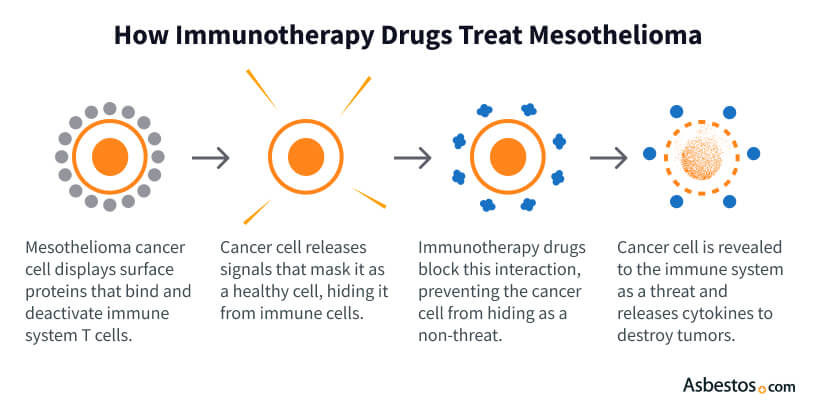




 (855) 404-4592