Let's Prepare You for Your Doctor's Visit
Answer a few questions, and download a free, personalized list of questions to ask your doctor.
Oncologists are doctors who specialize in the prevention, diagnosis and treatment of cancer. The three main fields of oncology care are medical, surgical and radiation oncology. Mesothelioma patients typically deal with oncologists in all three major areas of oncology.

Written by Karen Selby, RN | Medically Reviewed by Dr. Jeffrey Velotta | Edited by Walter Pacheco | Last Update:

Anne Tsao
Pleural Specialist | Medical Oncology
Dr. Anne Tsao is the director of the Mesothelioma Program at the University of Texas MD Anderson Cancer Center in Houston. She specializes in medical oncology for mesothelioma and serves as a team leader for a multidisciplinary team of mesothelioma experts.
Read Bio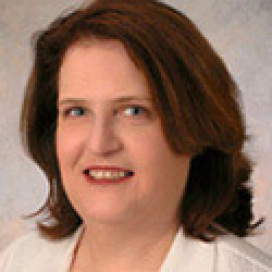
Hedy Lee Kindler
Pleural Specialist | Peritoneal Specialist | Gastrointestinal Oncology
Dr. Hedy Lee Kindler is the director of the Mesothelioma Program at the University of Chicago Medical Center. She became a leading mesothelioma researcher and oncologist after losing her father to mesothelioma. Kindler is board certified in medical oncology and internal medicine, and she specializes in gastrointestinal oncology.
Read Bio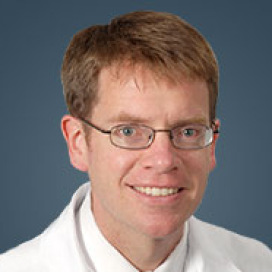
W. Charles Conway
Peritoneal Specialist | Surgical Oncology
Dr. W. Charles Conway is an expert in peritoneal mesothelioma and the Director of Surgical Oncology at Ridley-Tree Cancer Center in Santa Barbara, California. He specializes in minimally invasive robotic surgery and heated chemotherapy for peritoneal mesothelioma.
Read Bio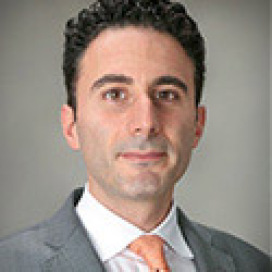
Jacques Fontaine
Pleural Specialist | Thoracic Surgery
Dr. Jacques Fontaine is the Director of the Mesothelioma Research and Treatment Center at Moffitt Cancer Center in Tampa, Florida. He specializes in minimally invasive thoracic surgery including robotic surgery. Fontaine became a pleural mesothelioma specialist while studying under Dr. Sugarbaker at the International Mesothelioma Program at Brigham & Women’s Hospital.
Read Bio
Mecker Moller
Peritoneal Specialist | Surgical Oncology
Dr. Mecker Moller is a peritoneal mesothelioma specialist and a surgical oncologist at Sylvester Comprehensive Cancer Center in Florida. She specializes in the most effective procedure for peritoneal mesothelioma, which involves cytoreductive surgery and heated chemotherapy.
Read Bio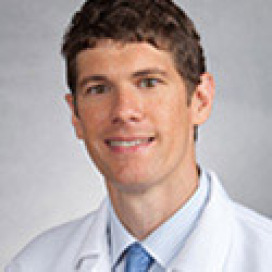
Joel Baumgartner
Peritoneal Specialist | Surgical Oncology
Dr. Baumgartner is a peritoneal mesothelioma specialist and one of America’s most innovative young surgeons. He is an expert in the use of hyperthermic intraperitoneal chemotherapy (HIPEC). Baumgartner came to Moores Cancer Center from the University of Pittsburgh School of Medicine.
Read BioBegin your search for a doctor in your area.
Get started by selecting location, type, specialty or language.
Oncologists who treat mesothelioma can help people with this rare cancer live longer. If surgery is an option, they will connect patients to a specialized surgeon who knows how to safely remove the tumor.
Specialized oncologists are also familiar with ongoing mesothelioma clinical trials and emerging treatments. A 2022 study published in the Journal of Clinical Oncology described new treatment strategies. It covered radiology, surgery, radiation and medical oncology with cellular therapies.
The type of oncologist you will work with depends on the type of mesothelioma you have.
Pleural mesothelioma patients see thoracic oncologists. Patients with peritoneal mesothelioma should see oncologists with experience treating abdominal cancers.
Thoracic oncologists specialize in treating cancers of the thorax (the chest cavity).
Thoracic oncology programs treat lung cancer, thymoma, tracheal cancer and other thoracic malignancies.
Because pleural mesothelioma is rare, few thoracic oncologists know how to treat it.
Mesothelioma patients should seek treatment at a mesothelioma specialty center. This will ensure care from a team with experience treating asbestos-related cancers.
Peritoneal patients should get treatment from a doctor with experience in this cancer.
Peritoneal mesothelioma patients often live significantly longer than pleural mesothelioma patients. Surgery plays a major role in long-term survival.
The most successful treatment is a combination of surgery and heated chemotherapy. Surgical oncologists who treat peritoneal mesothelioma are best equipped to perform this procedure.
Oncologists are an essential part of a multidisciplinary team of cancer doctors. They are the doctors who deliver a cancer diagnosis and recommend treatment options. They help coordinate care across multiple disciplines.
A person diagnosed with mesothelioma will work with an oncologist or a team of oncologists during their cancer treatment. Oncologists manage the patient’s care throughout the course of the disease.
Oncologists work closely with other health care professionals. They include pathologists, diagnostic radiologists, oncology nurses and oncology social workers.
Answer a few questions, and download a free, personalized list of questions to ask your doctor.
Mesothelioma doctors and specialists are medical experts who treat asbestos-related cancers. They usually specialize in performing surgery or giving medicine to treat the condition.
The majority of mesothelioma patients do not qualify for surgery. Because of this, they may never meet or be evaluated by a surgical oncologist.
Instead, a medical oncologist will tell you what kind of cancer you have. They will suggest treatments like chemotherapy. They also help the patient manage symptoms and treatment side effects.
Surgical oncologists can perform a biopsy to diagnose mesothelioma. However, most patients visit a general lung surgeon or gastrointestinal surgeon for a biopsy if cancer is suspected.
If the biopsy comes back positive for cancer, the patient is then referred to an oncology specialist.
Radiation oncologists are specialty physicians who use radiation therapy to treat cancer.
Like surgical oncologists, radiation oncologists can specialize in treating certain types of cancer. For example, thoracic radiation oncology is radiation therapy for lung cancer and mesothelioma.
Radiation therapy can be used to shrink tumors or prevent cancer recurrence. It is also used as a palliative treatment to relieve pain and manage symptoms.
Recommended ReadingYour web browser is no longer supported by Microsoft. Update your browser for more security, speed and compatibility.
If you are looking for mesothelioma support, please contact our Patient Advocates at (855) 404-4592
The Mesothelioma Center at Asbestos.com has provided patients and their loved ones the most updated and reliable information on mesothelioma and asbestos exposure since 2006.
Our team of Patient Advocates includes a medical doctor, a registered nurse, health services administrators, veterans, VA-accredited Claims Agents, an oncology patient navigator and hospice care expert. Their combined expertise means we help any mesothelioma patient or loved one through every step of their cancer journey.
More than 30 contributors, including mesothelioma doctors, survivors, health care professionals and other experts, have peer-reviewed our website and written unique research-driven articles to ensure you get the highest-quality medical and health information.
My family has only the highest compliment for the assistance and support that we received from The Mesothelioma Center. This is a staff of compassionate and knowledgeable individuals who respect what your family is experiencing and who go the extra mile to make an unfortunate diagnosis less stressful. Information and assistance were provided by The Mesothelioma Center at no cost to our family.LashawnMesothelioma patient’s daughter


Selby, K. (2026, August 25). Mesothelioma Oncologists. Asbestos.com. Retrieved September 10, 2026, from https://www.asbestos.com/treatment/specialists/oncologists/
Selby, Karen. "Mesothelioma Oncologists." Asbestos.com, 25 Aug 2026, https://www.asbestos.com/treatment/specialists/oncologists/.
Selby, Karen. "Mesothelioma Oncologists." Asbestos.com. Last modified August 25, 2026. https://www.asbestos.com/treatment/specialists/oncologists/.
 (855) 404-4592

Call or chat now
(855) 404-4592
Call or chat now
(855) 404-4592
Call or chat now
(855) 404-4592
Call or chat now
(855) 404-4592
Call or chat now
(855) 404-4592
Call or chat now
(855) 404-4592
Call or chat now
(855) 404-4592
Call or chat now
(855) 404-4592
Call or chat now
One of our Patient Advocates will contact you to discuss your options and help you schedule your appointment.
(855) 404-4592
Call or chat now
(855) 404-4592
Call or chat now
(855) 404-4592
Call or chat now
(855) 404-4592
Call or chat now
Please fill out the form, and one of our Patient Advocates will contact you to discuss your options free of charge. For immediate assistance, call or chat now.
(855) 404-4592
Call or chat now
A Patient Advocate will be in touch shortly to personally assist you. If you have any questions beforehand, please don’t hesitate to contact us at (855) 404-4592.


Dr. Velotta is a leading thoracic surgeon and pleural mesothelioma specialist at Kaiser Permanente Oakland Medical Center and a Clinical Assistant Surgical Professor at the University of California, San Francisco School of Medicine. With more than 15 years of experience, he leads research efforts in minimally invasive lung cancer surgery, pain management post-thoracic surgery and multimodal mesothelioma treatment. He is recognized for advancing image-guided surgical techniques and improving regional access to specialized mesothelioma care.
Our fact-checking process begins with a thorough review of all sources to ensure they are high quality. Then we cross-check the facts with original medical or scientific reports published by those sources, or we validate the facts with reputable news organizations, medical and scientific experts and other health experts. Each page includes all sources for full transparency.
Please read our editorial guidelines to learn more about our content creation and review process.