Mesothelioma patients in Florida can access treatments such as chemotherapy, surgery and radiation therapy. Cancer centers in the state of Florida are pioneering innovative research, active clinical trials and are home to top mesothelioma specialists Dr. Jacques Fontaine and Dr. Marcelo DaSilva.
The best cancer centers for mesothelioma in Florida include research hubs, sites offering the latest advancements and NCI-designated comprehensive cancer centers: Moffitt Cancer Center in Tampa and Sylvester Comprehensive Cancer Center in Miami. NCI designation means both centers meet rigorous federal standards for cancer research, multidisciplinary care and access to cutting-edge clinical trials, giving patients access to the same level of care available at leading centers nationwide.
Patients across the state also have access to specialized care at AdventHealth and Orlando Health in Orlando, Baptist Health and Sylvester in Miami, Baptist MD Anderson and Mayo Clinic in Jacksonville, Cleveland Clinic Florida in Weston, Jupiter Medical Center, Tampa General and UF Health in Gainesville. Many top cancer centers in Florida house teams of specialists dedicated to mesothelioma treatment who collaborate on every patient case.
Mesothelioma treatment in Florida is available in several major cities, including Jacksonville, Miami, Orlando and Tampa, where leading cancer centers offer specialized care for both pleural and peritoneal mesothelioma. Patients in North Florida can access care at Mayo Clinic and Baptist MD Anderson in Jacksonville or UF Health in Gainesville. The state’s 2 NCI-designated comprehensive cancer centers, Moffitt Cancer Center and Sylvester Comprehensive Cancer Center, are located in central Florida and Southeast Florida respectively.
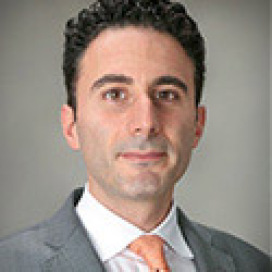
The best mesothelioma doctors in Florida are specialists who focus specifically on pleural or peritoneal mesothelioma, lead or participate in clinical research and work within multidisciplinary teams at leading cancer centers. Florida’s specialists include thoracic surgeons like Dr. Jacques Fontaine at Moffitt and Dr. Nestor Villamizar at Sylvester, medical oncologists like Dr. Mark Socinski at AdventHealth Orlando, and GI oncologists like Dr. Iman Imanirad at Moffitt and Dr. Sarbajit Mukherjee at Baptist Miami who specialize in peritoneal mesothelioma care.
Mesothelioma specialists in Florida practice at more than a dozen centers, from Mayo Clinic and Baptist MD Anderson in Jacksonville to Jupiter Medical Center and Baptist Health in Miami. Many hold leadership roles in clinical research and participate in trials that give patients access to treatments not yet widely available.
Jacques Fontaine
Pleural Specialist | Thoracic Surgery
Expertise:
Pleural Mesothelioma
Lung Cancer
Thoracic Diseases
Minimally Invasive Surgery
Pleurectomy and Decortication Surgery
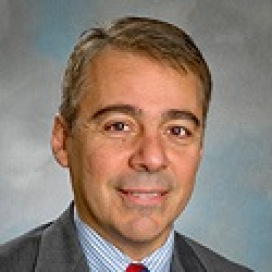
Dr. Jacques Fontaine is the Director of the Mesothelioma Research and Treatment Center at Moffitt Cancer Center in Tampa, Florida. He specializes in minimally invasive thoracic surgery including robotic surgery. Fontaine became a pleural mesothelioma specialist while studying under Dr. Sugarbaker at the International Mesothelioma Program at Brigham & Women’s Hospital.
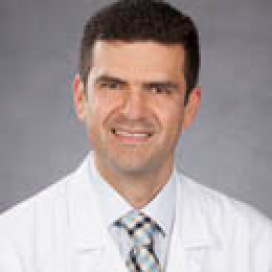
Dr. Marcelo DaSilva is medical director of thoracic surgery at the AdventHealth Cancer Institute, where he has built the Mesothelioma International Treatment Program.
Thoracic surgeon Dr. Nestor Villamizar has raised the level of treatment for pleural mesothelioma patients at the Sylvester Cancer Center and the University of Miami Health System. He came to Miami from Brigham and Women’s Hospital in Boston, where he worked alongside mesothelioma treatment pioneer Dr. David Sugarbaker.
Your mesothelioma doctor or a Patient Advocate can help you explore which clinical trials you may be eligible for, such as trials currently enrolling at Mayo Clinic in Jacksonville or Sylvester Comprehensive Cancer Center in Miami. Florida’s leading centers, including Moffitt Cancer Center in Tampa and Sylvester, are active hubs for mesothelioma clinical trials, giving patients access to emerging treatments not yet widely available.
NCT06051695
A Study to Evaluate the Safety and Efficacy of Mesothelin-Targeting Logic-gated CAR T, in Participants With Solid Tumors That Express MSLN and Have Lost HLA-A*02 Expression
The goal of this study is to test autologous logic-gated Tmod™ CAR T-cell products in subjects with solid tumors including colorectal cancer (CRC), pancreatic cancer (PANC), non-small cell lung cancer (NSCLC), ovarian cancer (OVCA), mesothelioma (MESO), and other solid tumors that express mesothelin (MSLN) and have lost HLA-A\*02 expression. The main questions this study aims to answer are: Phase 1: What is the recommended dose that is safe for patients Phase 2: Does the recommended dose kill solid tumor cells and protect the patient's healthy cells Participants will be required to perform study procedures and assessments, and will also receive the following study treatments: Enrollment and Apheresis in BASECAMP-1 (NCT04981119) Preconditioning Lymphodepletion (PCLD) Regimen Tmod CAR T cells at the assigned dose
Locations
Arizona (1)
Banner Health — Gilbert
California (3)
UCSD Moores Cancer Center — La Jolla
UCLA Medical Center — Los Angeles
Stanford University — Stanford
Florida (2)
Mayo Clinic — Jacksonville
Moffitt Cancer Center — Tampa
Minnesota (1)
Mayo Clinic Rochester — Rochester
Missouri (1)
Washington University — St Louis
New York (1)
NYU Langone Medical Center — New York
Ohio (1)
The Ohio State University Comprehensive Cancer Center — Columbus
Tennessee (1)
Vanderbilt University Medical Center — Nashville
Washington (1)
Fred Hutchinson Cancer Center — Seattle
NCT02012699
Integrated Cancer Repository for Cancer Research
The iCaRe2 is a multi-institutional resource created and maintained by the Fred \& Pamela Buffett Cancer Center to collect and manage standardized, multi-dimensional, longitudinal data and biospecimens on consented adult cancer patients, high-risk individuals, and normal controls. The distinct characteristic of the iCaRe2 is its geographical coverage, with a significant percentage of small and rural hospitals and cancer centers. The iCaRe2 advances comprehensive studies of risk factors of cancer development and progression and enables the design of novel strategies for prevention, screening, early detection and personalized treatment of cancer. Centers with expertise in cancer epidemiology, genetics, biology, early detection, and patient care can collaborate by using the iCaRe2 as a platform for cohort and population studies.
Locations
Colorado (1)
Advent Health — Greenwood Village
Connecticut (1)
Hartford HealthCare Cancer Institute at Manchester Medical Hospital — Manchester
Florida (5)
Florida Hospital Memorial Medical Center — Daytona Beach
Florida Hospital DeLand — DeLand
Florida Hospital FISH — Orange City
Florida Hospital Flagler — Palm Coast
Tallahassee Memorial Hospital — Tallahassee
Illinois (2)
Rush-Copley Cancer Care Center — Aurora
Rush-Copley Healthcare Center — Yorkville
Indiana (1)
Parkview Research Center — Fort Wayne
Iowa (2)
Methodist Jennie Edmundson Hospital — Council Bluffs
Covenant Medical Center, Inc — Waterloo
Kansas (1)
Saint Luke's Cancer Instititute – South — Overland Park
Maryland (2)
Northwest Hospital — Randallstown
William E. Kahlert Regional Cancer Center — Westminster
Massachusetts (1)
Holyoke Medical Center — Holyoke
Minnesota (5)
Riverwood Healthcare Center — Aitkin
Essentia Health-St. Joseph's Medical Center — Brainerd
Essentia Health – Duluth Clinic — Duluth
St. Luke's Hospital of Duluth — Duluth
Lake Region Healthcare — Fergus Falls
Missouri (6)
Saint Luke's Cancer Institute, East — Kansas City
Saint Luke's Cancer Institute — Kansas City
Saint Luke's Cancer Institute, Kansas City North — Kansas City
Saint Luke's Cancer Institute, Liberty — Liberty
North Kansas City Hospital — North Kansas City
Heartland Regional Medical Center dba Mosaic Life Care — Saint Joseph
Montana (1)
Bozeman Health Deaconess Hospital — Bozeman
Nebraska (6)
Mary Lanning Healthcare, Morrison Cancer Center — Hastings
Faith Regional Health Services, Carson Cancer Center — Norfolk
Great Plains Regional Medical Center — North Platte
Methodist Estabrook Cancer Center — Omaha
Nebraska Methodist Health System — Omaha
University of Nebraska Medical Center — Omaha
New York (2)
C.R. Wood Cancer Center, Glens Falls Hospital — Glens Falls
Faxton St. Luke's Healthcare, Mohawk Valley — Utica
North Carolina (1)
Cape Fear Valley Health System — Fayetteville
North Dakota (2)
Essentia Health — Fargo
Trinity Hospital Cancer Care Center — Minot
Ohio (2)
Aultman Alliance Community Hospital — Alliance
Aultman Hospital — Canton
Wisconsin (1)
Bellin Memorial Hospital — Green Bay
NCT05245500
Phase 1 Study of MRTX1719 in Solid Tumors With MTAP Deletion
This is a Phase 1, open-label, multicenter, study of the safety, tolerability, PK, PD, and anti-tumor activity of MRTX1719 patients with advanced, unresectable or metastatic solid tumor malignancy with homozygous deletion of the MTAP gene.
Locations
Arizona (1)
Mayo Clinic — Phoenix
Colorado (1)
Rocky Mountain Cancer Centers, LLP – Oncology — Lone Tree
Florida (2)
Mayo Clinic — Jacksonville
Sarah Cannon Research Institute at Florida Cancer Specialists — Orlando
Massachusetts (1)
Dana-Farber Cancer Institute — Brookline
Michigan (2)
The Cancer & Hematology Centers — Grand Rapids
Cancer and Hematology Centers of Western Michigan — Norton Shores
Minnesota (1)
Mayo Clinic — Rochester
New Jersey (1)
Rutgers Cancer Institute of New Jersey — New Brunswick
New York (4)
Perlmutter Cancer Center at NYU Langone Hospital Long Island — Mineola
David H Koch, Memorial Sloan Kettering Cancer Center — New York
New york cancer and blood specialists – Oncology — Port Jefferson Station
New york cancer and blood specialists – Oncology — Port Jefferson Station
North Carolina (2)
University of North Carolina – Gastroenterology and Hepatology — Chapel Hill
University of North Carolina — Chapel Hill
Tennessee (1)
Vanderbilt – Ingram Cancer Center — Nashville
Texas (5)
Ut Southwestern — Dallas
Texas Oncology – DFW — Fort Worth
MDACC — Houston
South Texas Accelerated Research Therapeutics — San Antonio
Texas Oncology, P.A. – Oncology — Tyler
Virginia (1)
Virginia Cancer Specialists, PC — Fairfax
NCT05568680
SynKIR-110 for Mesothelin Expressing Ovarian Cancer, Cholangiocarcinoma or Mesothelioma
This first-in-human (FIH) trial is designed to assess the safety, feasibility, and potential activity of a single intravenous (IV) dose of SynKIR-110 administered to subjects with mesothelin-expressing advanced ovarian cancer, mesothelioma, and cholangiocarcinoma.
Locations
Florida (1)
Moffitt Cancer Center — Tampa
Pennsylvania (1)
University of Pennsylvania — Philadelphia
Texas (1)
MD Anderson Cancer Center — Houston
Wisconsin (1)
University of Wisconsin Carbone Cancer Center — Madison
NCT03556228
VMD-928 Monotherapy and in Combination With Pembrolizumab to Treat TrkA Overexpression Driven Solid Tumors or Lymphoma
This is a multicenter, open-label, Phase 1/2 study of orally administered VMD-928 monotherapy and in combination with pembrolizumab in adult subjects with advanced solid tumors or lymphoma that have progressed or are non responsive to available therapies and for which no standard or available curative therapy exists
Locations
California (1)
Providence Medical Foundation (site 209) — Santa Rosa
Connecticut (1)
Hartford Hospital (site 210) — Hartford
District of Columbia (1)
The George Washington University Cancer Center (site 212) — Washington D.C.
Florida (2)
Holy Cross Hospital (site 213) — Fort Lauderdale
Memorial Cancer Institute at Memorial Healthcare Systems (site 132) — Pembroke Pines
New Jersey (3)
Englewood Hospital and Medical Center (site 202) — Englewood
Summit Medical Group (site 205) — Florham Park
Atlantic Health System, Morristown Medical Center (site 124) — Morristown
Weill Cornell Medicine, Cornell University (site 126) — New York
Ohio (1)
Taylor Cancer Research Center (site 204) — Maumee
Pennsylvania (1)
Cancer Care Associates of York (site 206) — York
Texas (1)
The University of Texas MD Anderson Cancer Center (site 127) — Houston
Utah (1)
Utah Cancer Specialists (site 203) — Salt Lake City
NCT07277413
A Study of IDE892 as Monotherapy and Combination in MTAP-deleted Advanced Solid Tumors
This is a multicenter clinical study to evaluate the safety, efficacy, and Pharmacokinetics (PK) of IDE892 as monotherapy and in combination with other agents including IDE397 in participants with methylthioadenosine phosphorylase (MTAP)-deleted advanced solid tumors within indications of interest.
Locations
Arizona (2)
City of Hope Cancer Center-Phoenix — Goodyear
Mayo Clinic Arizona — Phoenix
California (2)
City of Hope Cancer Center-Duarte — Duarte
Providence Medical Foundation — Santa Rosa
District of Columbia (1)
Johns Hopkins Sibley Memorial Hospital — Washington D.C.
Florida (4)
BRCR Global-Coral Springs — Coral Springs
Mayo Clinic Florida — Jacksonville
Sarah Cannon Research Institute at Florida Cancer Specialists — Orlando
Moffitt Cancer Center — Tampa
Illinois (1)
City of Hope Cancer Center-Chicago — Zion
Minnesota (1)
Mayo Clinic Rochester — Rochester
Nebraska (1)
Nebraska Cancer Specialists — Omaha
New Jersey (1)
START Astera, LLC — East Brunswick
New York (1)
Columbia University Irving Medical Center — New York
Pennsylvania (1)
Sidney Kimmel Comprehensive Cancer Center Thomas Jefferson University — Philadelphia
Tennessee (1)
Sarah Cannon Research Institute — Nashville
Texas (4)
START Dallas Fort Worth — Fort Worth
MD Anderson — Houston
NEXT Oncology Houston — Houston
NEXT Oncology Dallas — Irving
Utah (1)
START Mountain Region, LLC — West Valley City
Virginia (1)
NEXT Oncology Virginia — Fairfax
Washington (1)
Swedish Cancer Institute — Seattle
NCT06444815
A Study of VET3-TGI in Patients With Solid Tumors
VET3-TGI is an oncolytic immunotherapy designed to treat advanced cancers. VET3-TGI has not been given to human patients yet, and the current study is designed to find a safe and effective dose of VET3-TGI when administered by direct injection into tumor(s) (called an intratumoral injection) or when given intravenously (into the vein) both alone and in combination with atezolizumab in patients with solid tumors (STEALTH-001).
Locations
California (2)
USC/Norris Comprehensive Cancer Center — Los Angeles
UC Irvine Health — Orange
Florida (1)
University of Miami — Miami
Indiana (1)
Community Health Network — Indianapolis
Pennsylvania (1)
UPMC- Hillman Cancer Center — Pittsburgh
Texas (2)
Mary Crowley Cancer Research — Dallas
University of Texas MD Anderson Cancer Center — Houston
This study will test the safety, including side effects, and determine the characteristics of a drug called Rina-S in participants with solid tumors. Participants will have solid tumor cancer that has spread through the body (metastatic) or cannot be removed with surgery (unresectable).
Locations
Arizona (2)
USOR HonorHealth — Phoenix
USOR Arizona Oncology Associates — Tucson
California (4)
University of California Los Angeles Medical Center — Los Angeles
University of California, San Diego; Moores Cancer Center — San Diego
USOR Sansum Clinic — Santa Barbara
Providence Medical Foundation — Santa Rosa
Florida (3)
USOR Florida Cancer Specialists South — Fort Myers
USOR Florida Cancer Specialists North — St. Petersburg
USOR Florida Cancer Specialists East — West Palm Beach
Georgia (1)
Augusta University Georgia Cancer Center — Augusta
Kansas (1)
University of Kansas Medical Center (KUMC) — Westwood
Maryland (1)
USOR Maryland Oncology Hematology — Rockville
Massachusetts (2)
Massachusetts General Hospital — Boston
Dana Farber Cancer Institute — Boston
Michigan (2)
Karmanos Cancer Institute — Detroit
START Midwest — Grand Rapids
Minnesota (1)
USOR Minnesota Oncology Hematology — Maplewood
New Jersey (1)
MD Anderson Cancer Center at Cooper- Two Cooper Plaza — Camden
Ohio (1)
Ohio State University Comprehensive Cancer Center (OSUCCC)- The James Cancer Hospital and Solove Research Institute — Columbus
Oklahoma (1)
University of Oklahoma – Health Sciences Center — Oklahoma City
Oregon (2)
USOR Oncology Associates of Oregon, P.C. — Eugene
Compass Oncology – Rose Quarter — Portland
Pennsylvania (2)
USOR Alliance Cancer Specialist — Doylestown
Allegheny Health Network — Pittsburgh
Rhode Island (1)
Women and Infants Hospital of Rhode Island — Providence
Tennessee (2)
Sarah Cannon Research Institute at Tennessee Oncology — Nashville
Tennessee Oncology — Nashville
Texas (6)
USOR Texas Oncology — Abilene
Texas Oncology – Central / South Texas — Austin
Mary Crowley Cancer Research — Dallas
USOR Texas Oncology — Fort Worth
Texas Oncology – Northeast TX — Tyler
USOR Texas Oncology Gulf Coast — Woodland
Utah (1)
START Mountain Region — West Valley City
Virginia (2)
USOR Virginia Cancer Specialists — Fairfax
USOR Virginia Oncology Associates — Norfolk
Washington (1)
Swedish Cancer Institute — Everett
NCT04981119
Solid Tumor Analysis for HLA Loss of Heterozygosity (LOH) and Apheresis for CAR T- Cell Manufacturing
Objective: To collect information on how often a solid tumor cancer might lose the Human Leukocyte Antigen (HLA) by next generation sequencing and perform apheresis to collect and store an eligible participant's own T cells for future use to make CAR T-Cell therapy for their disease treatment. Design: This is a non-interventional, observational study to evaluate participants with solid tumors with a high risk of relapse for incurable disease. No interventional therapy will be administered on this study. Some of the information regarding the participant's tumor analysis may be beneficial to management of their disease. Participants that meet all criteria may be enrolled and leukapheresed (blood cells collected). The participant's cells will be processed and stored for potential manufacture of CAR T-cell therapy upon relapse of their cancer.
Locations
Arizona (2)
Banner Health — Gilbert
Mayo Clinic Hospital — Phoenix
California (3)
University of California San Diego — La Jolla
Stanford University — Palo Alto
UCLA Medical Center — Santa Monica
Florida (2)
Mayo Clinic Jacksonville — Jacksonville
Moffitt Cancer Center — Tampa
Minnesota (1)
Mayo Clinic Rochester — Rochester
Missouri (1)
Washington University — St Louis
New York (1)
NYU Langone Medical Center — New York
Ohio (1)
The Ohio State University Comprehensive Cancer Center — Columbus
Tennessee (1)
Vanderbilt University Medical Center — Nashville
Washington (1)
Fred Hutchinson Cancer Center — Seattle
NCT05647265
Testing the Addition of Immunotherapy Before Surgery for Patients With Sarcomatoid Mesothelioma
This phase II trial evaluates the safety and effectiveness of giving immunotherapy (nivolumab and ipilimumab) before surgery for controlling disease in patients with stage I-IIIa sarcomatoid mesothelioma. Immunotherapy with monoclonal antibodies, such as nivolumab and ipilimumab, may help the body's immune system attack the cancer, and may interfere with the ability of tumor cells to grow and spread. Giving immunotherapy before surgery may be more effective at controlling disease in patients with sarcomatoid mesothelioma than giving immunotherapy alone.
Locations
Alaska (6)
Anchorage Associates in Radiation Medicine — Anchorage
Alaska Breast Care and Surgery LLC — Anchorage
Alaska Oncology and Hematology LLC — Anchorage
Alaska Women's Cancer Care — Anchorage
Katmai Oncology Group — Anchorage
Providence Alaska Medical Center — Anchorage
Arizona (3)
Kingman Regional Medical Center — Kingman
Mayo Clinic Hospital in Arizona — Phoenix
Mayo Clinic in Arizona — Scottsdale
California (6)
PCR Oncology — Arroyo Grande
Providence Saint Joseph Medical Center/Disney Family Cancer Center — Burbank
UC San Diego Moores Cancer Center — La Jolla
Providence Queen of The Valley — Napa
Providence Medical Foundation – Santa Rosa — Santa Rosa
Providence Santa Rosa Memorial Hospital — Santa Rosa
Florida (1)
Mayo Clinic in Florida — Jacksonville
Idaho (5)
Saint Luke's Cancer Institute – Boise — Boise
Saint Luke's Cancer Institute – Fruitland — Fruitland
Saint Luke's Cancer Institute – Meridian — Meridian
Saint Luke's Cancer Institute – Nampa — Nampa
Saint Luke's Cancer Institute – Twin Falls — Twin Falls
Illinois (15)
Rush-Copley Medical Center — Aurora
Northwestern University — Chicago
University of Chicago Comprehensive Cancer Center — Chicago
Carle at The Riverfront — Danville
Northwestern Medicine Cancer Center Kishwaukee — DeKalb
Carle Physician Group-Effingham — Effingham
Northwestern Medicine Cancer Center Delnor — Geneva
Northwestern Medicine Glenview Outpatient Center — Glenview
Northwestern Medicine Grayslake Outpatient Center — Grayslake
Northwestern Medicine Lake Forest Hospital — Lake Forest
Northwestern Medicine Cancer Center Warrenville — Warrenville
Rush-Copley Healthcare Center — Yorkville
Minnesota (2)
University of Minnesota/Masonic Cancer Center — Minneapolis
Mayo Clinic in Rochester — Rochester
Montana (1)
Saint Patrick Hospital – Community Hospital — Missoula
Nevada (28)
Carson Tahoe Regional Medical Center — Carson City
Comprehensive Cancer Centers of Nevada – Henderson — Henderson
Comprehensive Cancer Centers of Nevada-Horizon Ridge — Henderson
Comprehensive Cancer Centers of Nevada-Southeast Henderson — Henderson
Oncology Las Vegas – Henderson — Henderson
Urology Specialists of Nevada – Green Valley — Henderson
OptumCare Cancer Care at Charleston — Las Vegas
University Medical Center of Southern Nevada — Las Vegas
Hope Cancer Care of Nevada — Las Vegas
Radiation Oncology Centers of Nevada Central — Las Vegas
Urology Specialists of Nevada – Central — Las Vegas
Sunrise Hospital and Medical Center — Las Vegas
Urology Specialists of Nevada – Southwest — Las Vegas
Radiation Oncology Centers of Nevada Southeast — Las Vegas
Comprehensive Cancer Centers of Nevada – Northwest — Las Vegas
Oncology Las Vegas – Tenaya — Las Vegas
OptumCare Cancer Care at MountainView — Las Vegas
Urology Specialists of Nevada – Northwest — Las Vegas
Alliance for Childhood Diseases/Cure 4 the Kids Foundation — Las Vegas
Comprehensive Cancer Centers of Nevada – Town Center — Las Vegas
Comprehensive Cancer Centers of Nevada-Summerlin — Las Vegas
Summerlin Hospital Medical Center — Las Vegas
Comprehensive Cancer Centers of Nevada — Las Vegas
Comprehensive Cancer Centers of Nevada – Central Valley — Las Vegas
OptumCare Cancer Care at Fort Apache — Las Vegas
Hope Cancer Care of Nevada-Pahrump — Pahrump
Renown Regional Medical Center — Reno
Saint Mary's Regional Medical Center — Reno
North Carolina (3)
Duke University Medical Center — Durham
Duke Cancer Center Southpoint — Durham
Duke Cancer Center Raleigh — Raleigh
Oregon (9)
Saint Charles Health System — Bend
Clackamas Radiation Oncology Center — Clackamas
Bay Area Hospital — Coos Bay
Providence Hood River Memorial Hospital — Hood River
Providence Newberg Medical Center — Newberg
Providence Willamette Falls Medical Center — Oregon City
Providence Portland Medical Center — Portland
Providence Saint Vincent Medical Center — Portland
Saint Charles Health System-Redmond — Redmond
Texas (4)
UT Southwestern Simmons Cancer Center – RedBird — Dallas
UT Southwestern/Simmons Cancer Center-Dallas — Dallas
UT Southwestern/Simmons Cancer Center-Fort Worth — Fort Worth
UT Southwestern Clinical Center at Richardson/Plano — Richardson
Washington (21)
Providence Regional Cancer System-Aberdeen — Aberdeen
PeaceHealth Saint Joseph Medical Center — Bellingham
Providence Regional Cancer System-Centralia — Centralia
Swedish Cancer Institute-Edmonds — Edmonds
Providence Regional Cancer Partnership — Everett
Swedish Cancer Institute-Issaquah — Issaquah
Kadlec Clinic Hematology and Oncology — Kennewick
Providence Regional Cancer System-Lacey — Lacey
PeaceHealth Saint John Medical Center — Longview
Skagit Regional Health Cancer Care Center — Mount Vernon
Valley Medical Center — Renton
Swedish Medical Center-Ballard Campus — Seattle
Swedish Medical Center-Cherry Hill — Seattle
Swedish Medical Center-First Hill — Seattle
PeaceHealth United General Medical Center — Sedro-Woolley
Cancer Care Northwest – Spokane South — Spokane
Cancer Care Northwest-Valley — Spokane
Cancer Care Northwest-North Spokane — Spokane
PeaceHealth Southwest Medical Center — Vancouver
Providence Saint Mary Regional Cancer Center — Walla Walla
North Star Lodge Cancer Center at Yakima Valley Memorial Hospital — Yakima
NCT05732831
Safety and Tolerability of TNG462 in Patients With MTAP-deleted Solid Tumors
This is a first in human study in patients with advanced or metastatic solid tumors known to have an MTAP deletion. The first part of the study is an open-label, dose escalation and the second part is an open label dose expansion in specific MTAP-deleted tumor types. The study drug, TNG462, is a selective PRMT5 inhibitor administered orally. The study is planned to treat up to 225 participants.
Locations
California (1)
Stanford University — Palo Alto
Colorado (1)
Grand Valley Oncology — Grand Junction
Florida (1)
Sylvester Comprehensive Cancer Center — Miami
Illinois (3)
University Chicago Medicine — Chicago
Carle Cancer Center — Urbana
Midwestern Regional Medical Center, City of Hope Chicago — Zion
Massachusetts (2)
Massachusetts General Hospital — Boston
Dana Farber Cancer Institute — Boston
Michigan (1)
Henry Ford Cancer Center — Detroit
New York (1)
New York University Langone Health — New York
Tennessee (1)
Sarah Cannon Tennessee Oncology — Nashville
Texas (1)
The University of Texas MD Anderson Cancer Center — Houston
Utah (1)
Huntsman Cancer Institute, University of Utah — Salt Lake City
Virginia (1)
Next Oncology Virginia — Fairfax
NCT06710756
Lead-212 PSV359 Therapy for Patients With Solid Tumors
Phase I/IIa image-guided, alpha-particle therapy study of \[203Pb\]Pb-PSV359 and \[212Pb\]Pb-PSV359 in patients with solid tumors that are known to be Fibroblast Activation Protein (FAP)-positive.
Locations
California (2)
VA Greater Los Angeles Healthcare System — Los Angeles
UCLA Department of Medicine – Hematology/Oncology — Los Angeles
Florida (2)
University of Miami — Miami
Biogenix — Miami
Kansas (1)
University of Kansas — Kansas City
Kentucky (1)
University of Kentucky — Lexington
Minnesota (1)
Mayo Clinic in Rochester, Minnesota — Rochester
Missouri (1)
Saint Louis University — St Louis
Nebraska (1)
Nebraska Cancer Specialists — Omaha
New York (1)
Memorial Sloan Kettering Cancer Center – Main Campus — New York
Ohio (2)
Cleveland Clinic — Cleveland
Ohio State University — Columbus
Pennsylvania (1)
University of Pittsburgh Medical Center — Pittsburgh
Texas (2)
UT Southwestern University Hospital Radiology Clinic — Dallas
MD Anderson Cancer Center — Houston
Wisconsin (1)
University of Wisconsin — Madison
NCT06239194
Dose Escalation and Dose Expansion Study of MDX2001 in Patients With Advanced Solid Tumors
This study is designed to characterize the safety, tolerability, and anti-tumor activity of MDX2001 in patients with advanced solid tumors.
Locations
Colorado (1)
Sarah Cannon Research Institute — Denver
Florida (1)
Sylvester Comprehensive Cancer Center – University of Miami Health System — Miami
Massachusetts (1)
Massachusetts General Hospital — Boston
Tennessee (1)
Sarah Cannon Research Institute — Nashville
Texas (2)
MD Anderson Cancer Center — Houston
NEXT Oncology — San Antonio
Financial Support for Treatment in Florida
Mesothelioma patients can access financial assistance through organizations offering help with medical bills, travel expenses and basic needs, including Florida-specific programs like Florida Cancer Connect and the Mission Blue Foundation. These resources are designed to ease the financial burden that often comes with a mesothelioma diagnosis.
Financial Resources for Florida Mesothelioma Patients
Cancer Alliance of Help & Hope: This Palm Beach County nonprofit helps qualified cancer patients cover non-medical bills and basic needs like food and clothing. The organization also connects patients with support information and community resources.
Florida Cancer Connect: Florida Department of Health created this state resource hub in partnership with the Florida Agency for Health Care Administration. It helps cancer patients and caregivers find local healthcare providers, navigate insurance coverage and access cancer research and prevention programs.
Mission Blue Foundation: This Central Florida nonprofit provides direct support to cancer patients in need, including medical assistance, transportation to treatments and food. The foundation serves patients throughout the Orange City area and surrounding communities.
Patients can also speak with a Patient Advocate to learn about additional financial resources. Veterans diagnosed with mesothelioma may be eligible for VA benefits, including disability compensation and survivor benefits. Our Veterans Department can help people file claims and navigate what can be a complex approval process.
Cancer Resources in Florida
Mesothelioma patients in Florida can access a range of support services including counseling, cancer rehabilitation and meal assistance through organizations like Gilda’s Club South Florida and the Cancer Support Community in Orlando. These resources serve patients and caregivers at any stage of a mesothelioma diagnosis.
Cancer Support Resources in Florida
American Cancer Society: The organization offers programs and services to help people with cancer and their loved ones manage treatment and recovery. Resources include free wigs, hats, treatment information and help finding emotional support networks and financial assistance.
Cancer Support Community: A service of Orlando Health, the Cancer Support Community at UF Health Cancer Center welcomes any person with cancer, as well as survivors and caregivers. The community uses integrative medical techniques to manage symptoms, relieve stress and improve mental health. Members have access to nutritionists, counselors, pain specialists and palliative treatment consultations.
Gilda’s Club South Florida: Available in Fort Lauderdale and nearby communities, Gilda’s Club offers support groups, healthy living workshops, social gatherings and financial support for anyone facing a cancer diagnosis. Professionals lead a range of seminars and the organization builds a strong community presence throughout South Florida.
Florida patients can also call 211 to connect with local support services in their county. Transportation, food assistance and home care resources are all available through this free service.
What Survivors Say About Their Mesothelioma Treatment in Florida
Mesothelioma patients treated in Florida have shared their experiences with us, from surgery and chemotherapy at AdventHealth Cancer Institute in Orlando to clinical trials and multidisciplinary treatment at Moffitt Cancer Center in Tampa. Their stories reflect the range of care Florida’s leading cancer centers offer every day.
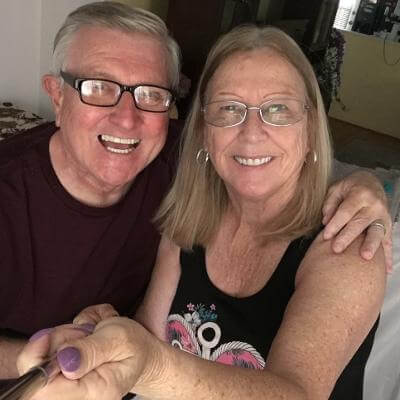
“I believe with my heart that those who survive are warriors,” Goodson said. “I often joke with my friends that mesothelioma whispered in my ear, ‘You can’t handle me.’ And I told mesothelioma, no, you can’t handle me.”
Judy Goodson, Peritoneal Mesothelioma Survivor
“I’m enjoying life now. Doctors tell me I’m doing great and looking good,” he said. “They also tell me there’s a 75% chance of it coming back, but if I get to five years, I’ve beaten it. I’ve got things to do.”
Charles Wood, Peritoneal Mesothelioma Survivor
“It’s a hard time and a lot of tough decisions, and it’s nice to have well-informed people who have a lot of information to share with you,” she said. “It really is. It’s a good thing.”
Carla Fasolo, Peritoneal Mesothelioma Survivor
Their stories offer hope to others experiencing mesothelioma, whether as a patient or a loved one. Read more of their inspirational stories in our Wall of Hope.
Your web browser is no longer supported by Microsoft. Update your browser for more security, speed and compatibility.
If you are looking for mesothelioma support, please contact our Patient Advocates at (855) 404-4592
How to Cite Asbestos.com’s Article
APA
Selby, K. (2026, May 18). Mesothelioma Treatment in Florida. Asbestos.com. Retrieved October 19, 2026, from https://www.asbestos.com/treatment/states/florida/
MLA
Selby, Karen. "Mesothelioma Treatment in Florida." Asbestos.com, 18 May 2026, https://www.asbestos.com/treatment/states/florida/.
Chicago
Selby, Karen. "Mesothelioma Treatment in Florida." Asbestos.com. Last modified May 18, 2026. https://www.asbestos.com/treatment/states/florida/.
Asbestos.com is the nation’s most trusted mesothelioma resource
The Mesothelioma Center at Asbestos.com has provided patients and their loved ones the most updated and reliable information on mesothelioma and asbestos exposure since 2006.
Our team of Patient Advocates includes a medical doctor, a registered nurse, health services administrators, veterans, VA-accredited Claims Agents, an oncology patient navigator and hospice care expert. Their combined expertise means we help any mesothelioma patient or loved one through every step of their cancer journey.
More than 30 contributors, including mesothelioma doctors, survivors, health care professionals and other experts, have peer-reviewed our website and written unique research-driven articles to ensure you get the highest-quality medical and health information.
About The Mesothelioma Center at Asbestos.com
Assisting mesothelioma patients and their loved ones since 2006.
Helps more than 50% of mesothelioma patients diagnosed annually in the U.S.
A+ rating from the Better Business Bureau.
5-star reviewed mesothelioma and support organization.
My family has only the highest compliment for the assistance and support that we received from The Mesothelioma Center. This is a staff of compassionate and knowledgeable individuals who respect what your family is experiencing and who go the extra mile to make an unfortunate diagnosis less stressful. Information and assistance were provided by The Mesothelioma Center at no cost to our family.
Registered Nurse and Board Certified Patient Advocate
Karen Selby is a registered nurse and Board Certified Patient Advocate at The Mesothelioma Center with more than 30 years of experience in oncology and thoracic surgery. She worked as an operating room nurse in thoracic surgery at the University of Maryland for 6 years, assisting with surgeries such as lung transplants, pneumonectomies and pleurectomies. She later served as regional director of the tissue procurement program at the University of Florida. Karen joined The Mesothelioma Center in 2009, providing patients with personalized support and resources.
Fact-checked and verified content:
Our fact-checking process begins with a thorough review of all sources to ensure they are high quality. Then we cross-check the facts with original medical or scientific reports published by those sources, or we validate the facts with reputable news organizations, medical and scientific experts and other health experts. Each page includes all sources for full transparency.
Please read our editorial guidelines to learn more about our content creation and review process.



 Judy Goodson , Peritoneal Mesothelioma Survivor
 Charles Wood , Peritoneal Mesothelioma Survivor
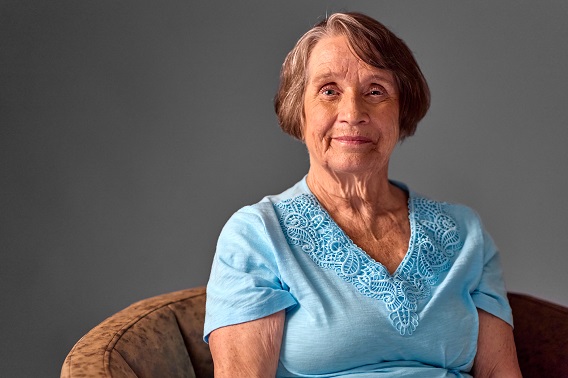 Carla Fasolo , Peritoneal Mesothelioma Survivor


