

Top Mesothelioma Centers in Texas
Texas’ best mesothelioma centers have specialized programs for peritoneal and pleural mesothelioma treatment. The Simmons Comprehensive Cancer Center at the University of Texas Southwestern Medical Center in Dallas has a dedicated Mesothelioma Program with some of the top mesothelioma doctors in the country, even leading national studies for chemotherapy and other treatments.
Texas research centers such as the Baylor College of Medicine and the University of Texas MD Anderson Cancer Center hold the National Cancer Institute’s highest rating for patient care and innovation. NCI-Designated cancer centers provide state-of-the-art mesothelioma treatment in Texas, from minimally invasive surgery and clinical trials to outstanding support services that help patients during treatment, recovery and beyond.

3500 Gaston Ave. Dallas, TX 75246

1515 Holcombe Blvd, Houston, TX 77030

6620 Main St Suite 1325 Houston, TX 77030

6565 Fannin St., Houston, TX 77030

5323 Harry Hines Blvd., Dallas, TX 75390

Locations of Texas’ Top Cancer Centers
Mesothelioma patients can find top-notch cancer treatment in Houston, Dallas, Fort Worth, Plano and San Antonio. Families who live in North or West Texas also have access to regional oncology support services in Amarillo, Austin and El Paso.
There are 3 NCI-Designated cancer centers in Texas. The Greater Houston Area is home to the Dan L Duncan Comprehensive Cancer Center at Baylor University and the MD Anderson Cancer Center at the University of Texas. The renowned Harold C. Simmons Comprehensive Cancer Center at UT Southwestern is located in Dallas.
-
Baylor University Medical Center at Dallas
3500 Gaston Ave
Dallas, TX 75246- Center of Excellence
-
Houston Methodist Cancer Center
6565 Fannin St
Houston, TX 77030 -
Lung Institute at Baylor College of Medicine
6620 Main St
Houston, TX 77030- Center of Excellence
-
MD Anderson Cancer Center
1515 Holcombe Blvd
Houston, TX 77030- Center of Excellence
- NCI-Designated Cancer Center
-
University of Texas Southwestern Medical Center
5323 Harry Hines Blvd
Dallas, TX 75390- NCI-Designated Cancer Center
-
UT Health San Antonio Mays Cancer Center
7979 Wurzbach Rd.
San Antonio, TX 78229- NCI-Designated Cancer Center
Top Doctors in Texas
The best mesothelioma doctors in Texas specialize in treating complex cancers like mesothelioma. Dr. Eugene Choi at the Baylor College of Medicine is an expert in peritoneal mesothelioma, including gold-standard heated chemotherapy for Stage 4 abdominal cancers. Top mesothelioma specialists are often part of multidisciplinary teams, giving patients personalized treatment options that combine chemotherapy, targeted immunotherapy, radiation treatment and precision surgery.
Texas pleural mesothelioma doctors often lead thoracic programs or clinical trials at research centers. Pleural specialist Dr. David Rice at the MD Anderson Cancer Center pioneered minimally invasive techniques such as video-assisted thoracoscopic surgery and robotic surgery.
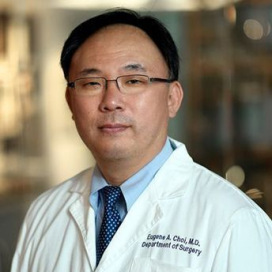
Eugene Choi
Peritoneal Specialist | Surgical Oncology
Dr. Eugene Choi at the Baylor College of Medicine Comprehensive Cancer Center works with a multidisciplinary team of doctors, researchers and others who specialize in all types of mesothelioma.
Read Bio
Sharmila Roy Chowdhury
Peritoneal Specialist | Surgical Oncology
Dr. Sharmila Roy Chowdhury is a surgical oncologist at Goshen Center for Cancer Care in Goshen, Indiana, with extensive experience treating peritoneal mesothelioma.
Read Bio
Frank V. Fossella
Pleural Specialist | Medical Oncology
Medical oncologist Dr. Frank Fossella at the University of Texas MD Anderson Cancer Center has been treating patients with lung cancer and researching the disease for almost 30 years. His experience is invaluable.
Read Bio
David C. Rice
Pleural Specialist | Thoracic Surgery
Dr. David C. Rice is a board-certified thoracic surgeon and former director of mesothelioma surgery at the University of Texas MD Anderson Cancer Center. Rice teaches surgery at the university and championed video-assisted thoracoscopic surgery for mesothelioma.
Read Bio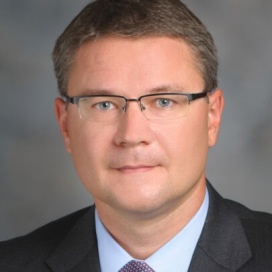
Boris Sepesi
Pleural Specialist | Thoracic Surgery
Dr. Boris Sepesi is director general of thoracic surgery at Cardiothoracic and Vascular Surgery Associates in Aurora, part of HCA Healthcare, where he treats patients with pleural mesothelioma.
Read Bio
Stephen Swisher
Pleural Specialist | Thoracic and Cardiovascular Surgery
Dr. Stephen Swisher serves as the MD Anderson Cancer Center Department Chair for Thoracic and Cardiovascular Surgery. After more than 15 years in the field, he is regarded as one of thoracic surgery’s leading experts.
Read Bio
Anne Tsao
Pleural Specialist | Medical Oncology
Dr. Anne Tsao is the director of the Mesothelioma Program at the University of Texas MD Anderson Cancer Center in Houston. She specializes in medical oncology for mesothelioma and serves as a team leader for a multidisciplinary team of mesothelioma experts.
Read BioBegin your search for a doctor in your area.
Get started by selecting location, type, specialty or language.
Clinical Trials in Texas
In addition to providing excellent patient care, Texas mesothelioma cancer centers like the Baylor College of Medicine in Houston perform extensive research into new cancer therapies and medications. Enrolling in mesothelioma clinical trials in Texas can allow patients to test cutting-edge treatments before they’re widely available, such as targeted enzyme inhibitors and CAR-T cells. Our Patient Advocates can help you find open trials in your area.
NCT07277413
A Study of IDE892 as Monotherapy and Combination in MTAP-deleted Advanced Solid Tumors
This is a multicenter clinical study to evaluate the safety, efficacy, and Pharmacokinetics (PK) of IDE892 as monotherapy and in combination with other agents including IDE397 in participants with methylthioadenosine phosphorylase (MTAP)-deleted advanced solid tumors within indications of interest.
Locations
-
Arizona (2)
- City of Hope Cancer Center-Phoenix — Goodyear
- Mayo Clinic Arizona — Phoenix
-
California (2)
- City of Hope Cancer Center-Duarte — Duarte
- Providence Medical Foundation — Santa Rosa
-
District of Columbia (1)
- Johns Hopkins Sibley Memorial Hospital — Washington D.C.
-
Florida (4)
- BRCR Global-Coral Springs — Coral Springs
- Mayo Clinic Florida — Jacksonville
- Sarah Cannon Research Institute at Florida Cancer Specialists — Orlando
- Moffitt Cancer Center — Tampa
-
Illinois (1)
- City of Hope Cancer Center-Chicago — Zion
-
Minnesota (1)
- Mayo Clinic Rochester — Rochester
-
Nebraska (1)
- Nebraska Cancer Specialists — Omaha
-
New Jersey (1)
- START Astera, LLC — East Brunswick
-
New York (1)
- Columbia University Irving Medical Center — New York
-
Pennsylvania (1)
- Sidney Kimmel Comprehensive Cancer Center Thomas Jefferson University — Philadelphia
-
Tennessee (1)
- Sarah Cannon Research Institute — Nashville
-
Texas (4)
- START Dallas Fort Worth — Fort Worth
- MD Anderson — Houston
- NEXT Oncology Houston — Houston
- NEXT Oncology Dallas — Irving
-
Utah (1)
- START Mountain Region, LLC — West Valley City
-
Virginia (1)
- NEXT Oncology Virginia — Fairfax
-
Washington (1)
- Swedish Cancer Institute — Seattle
NCT05107674
A Study of NX-1607 in Adults With Advanced Malignancies
This is a first-in-human Phase 1a/1b multicenter, open-label oncology study designed to evaluate the safety and anti-cancer activity of NX-1607 in patients with advanced malignancies.
Locations
-
California (2)
- University of Southern California — Los Angeles
- University of California, San Francisco — San Francisco
-
Colorado (1)
- University of Colorado School of Medicine — Aurora
-
Illinois (1)
- University of Chicago — Chicago
-
North Carolina (1)
- University of North Carolina — Chapel Hill
-
Oklahoma (1)
- University of Oklahoma — Oklahoma City
-
Texas (1)
- MD Anderson Cancer Center — Houston
-
Virginia (1)
- University of Virginia — Charlottesville
-
Washington (1)
- Fred Hutchinson Cancer Center — Seattle
NCT06756035
CT-95 in Advanced Cancers Associated With Mesothelin Expression
This is a Phase 1a/1b, first-in-human (FIH), open-label, multi-center dose escalation and expansion study of the safety, pharmacokinetics (PK), pharmacodynamics, and antitumor activity of single-agent CT-95 in subjects with advanced (recurrent, unresectable, or metastatic) cancers associated with MSLN expression.
Locations
-
Colorado (1)
- Context Investigational Site — Denver
-
Illinois (1)
- Context Investigational Site — Chicago
-
Michigan (1)
- Context Investigational Site — Grand Rapids
-
New Jersey (1)
- Context Investigational Site — Hackensack
-
Pennsylvania (2)
- University of Pennsylvania — Philadelphia
- Context Investigational Site — Philadelphia
-
Tennessee (1)
- Context Investigational Site — Nashville
-
Texas (2)
- Context Investigational Site — San Antonio
- Context Investigational Site — San Antonio
NCT06444815
A Study of VET3-TGI in Patients With Solid Tumors
VET3-TGI is an oncolytic immunotherapy designed to treat advanced cancers. VET3-TGI has not been given to human patients yet, and the current study is designed to find a safe and effective dose of VET3-TGI when administered by direct injection into tumor(s) (called an intratumoral injection) or when given intravenously (into the vein) both alone and in combination with atezolizumab in patients with solid tumors (STEALTH-001).
Locations
-
California (2)
- USC/Norris Comprehensive Cancer Center — Los Angeles
- UC Irvine Health — Orange
-
Florida (1)
- University of Miami — Miami
-
Indiana (1)
- Community Health Network — Indianapolis
-
Pennsylvania (1)
- UPMC- Hillman Cancer Center — Pittsburgh
-
Texas (2)
- Mary Crowley Cancer Research — Dallas
- University of Texas MD Anderson Cancer Center — Houston
NCT05001880
Chemotherapy With or Without Immunotherapy for Peritoneal Mesothelioma
This phase II trial compares the usual treatment alone (carboplatin, pemetrexed, and bevacizumab) to using immunotherapy (atezolizumab) plus the usual treatment in treating patients with peritoneal mesothelioma. The usual treatment consists of surgery or chemotherapy. Carboplatin is in a class of medications known as platinum-containing compounds. It works in a way similar to the anticancer drug cisplatin, but may be better tolerated than cisplatin. Carboplatin works by killing, stopping or slowing the growth of cancer cells. Pemetrexed is in a class of medications called antifolate antineoplastic agents. It works by stopping cells from using folic acid to make deoxyribonucleic acid and may kill cancer cells. Bevacizumab is in a class of medications called antiangiogenic agents. It works by stopping the formation of blood vessels that bring oxygen and nutrients to tumor. This may slow the growth and spread of tumor. Immunotherapy with monoclonal antibodies, such as atezolizumab, may help the body's immune system attack the cancer, and may interfere with the ability of tumor cells to grow and spread. Giving atezolizumab with usual treatment may work better than usual treatment alone.
Locations
-
Illinois (7)
- Alliance for Clinical Trials in Oncology — Chicago
- University of Chicago Comprehensive Cancer Center — Chicago
- Carle at The Riverfront — Danville
- Carle Physician Group-Effingham — Effingham
- Carle Physician Group-Mattoon/Charleston — Mattoon
- Carle Cancer Center — Urbana
- The Carle Foundation Hospital — Urbana
-
Minnesota (10)
- Sanford Joe Lueken Cancer Center — Bemidji
- Mercy Hospital — Coon Rapids
- Fairview Southdale Hospital — Edina
- Abbott-Northwestern Hospital — Minneapolis
- Mayo Clinic in Rochester — Rochester
- Park Nicollet Clinic – Saint Louis Park — Saint Louis Park
- Regions Hospital — Saint Paul
- United Hospital — Saint Paul
- Rice Memorial Hospital — Willmar
- Sanford Cancer Center Worthington — Worthington
-
North Dakota (3)
- Sanford Bismarck Medical Center — Bismarck
- Sanford Broadway Medical Center — Fargo
- Sanford Roger Maris Cancer Center — Fargo
-
Ohio (1)
- Ohio State University Comprehensive Cancer Center — Columbus
-
Oklahoma (1)
- University of Oklahoma Health Sciences Center — Oklahoma City
-
Pennsylvania (1)
- UPMC Hillman Cancer Center — Pittsburgh
-
South Dakota (2)
- Sanford Cancer Center Oncology Clinic — Sioux Falls
- Sanford USD Medical Center – Sioux Falls — Sioux Falls
-
Texas (5)
- UT MD Anderson – The Woodlands — Conroe
- UT MD Anderson Cancer Center — Houston
- UT MD Anderson – West Houston — Houston
- UT MD Anderson – League City — League City
- UT MD Anderson – Sugar Land — Sugar Land
-
Wisconsin (7)
- ThedaCare Regional Cancer Center — Appleton
- Marshfield Medical Center-EC Cancer Center — Eau Claire
- Marshfield Medical Center-Marshfield — Marshfield
- Marshfield Medical Center – Minocqua — Minocqua
- Marshfield Medical Center-Rice Lake — Rice Lake
- Marshfield Medical Center-River Region at Stevens Point — Stevens Point
- Marshfield Medical Center – Weston — Weston
NCT05568680
SynKIR-110 for Mesothelin Expressing Ovarian Cancer, Cholangiocarcinoma or Mesothelioma
This first-in-human (FIH) trial is designed to assess the safety, feasibility, and potential activity of a single intravenous (IV) dose of SynKIR-110 administered to subjects with mesothelin-expressing advanced ovarian cancer, mesothelioma, and cholangiocarcinoma.
Locations
-
Florida (1)
- Moffitt Cancer Center — Tampa
-
Pennsylvania (1)
- University of Pennsylvania — Philadelphia
-
Texas (1)
- MD Anderson Cancer Center — Houston
-
Wisconsin (1)
- University of Wisconsin Carbone Cancer Center — Madison
NCT04969315
TT-4 and TT-10 as Single Agents and in Combination in Subjects With Advanced Selected Solid Tumors and Pleural Mesothelioma
The goal of this clinical trial is to evaluate TT-10, TT-4 and TT-10 + TT-4, (Dual Blockade) in participants with advanced selected solid tumors, who have failed or are not eligible for standard of care. The main questions it aims to answer are: 1. To evaluate the safety and tolerability of TT-10, TT-4 Diacid, and combination therapy (TT-10 + TT-4 Diacid). 2. To determine the maximum tolerated dose (MTD) or phase 2 recommended dose of TT-10, TT-4 Diacid, and combination therapy (TT-10 + TT-4 Diacid). 3. To evaluate safety of combination therapy (TT-10 + TT-4 Diacid).
Locations
-
California (1)
- USC Norris Comprehensive Cancer Center — Los Angeles
-
Texas (1)
- The University of Texas MD Anderson Cancer Center — Houston
NCT07563738
A 2-part Phase 1/2 Open-label Trial on ODM-212
An open-label, multi-site, multi-cohort phase 1/2 trial to be conducted in 2 parts (dose escalation and dose expansion/optimisation)
Locations
-
Texas (1)
- NEXT Oncology — Irving
-
Virginia (1)
- NEXT Oncology Virginia — Fairfax
NCT04665206
Study to Evaluate VT3989 in Patients With Metastatic Solid Tumors
This is an open-label, dose escalation and expansion study to evaluate the safety, tolerability, PK, and biological activity of VT3989 administered, alone or in combination, once daily in patients with mesothelioma and/or metastatic solid tumors that are resistant to standard therapy or for which no effective standard therapy is available.
Locations
-
California (1)
- UCSF Helen Diller Family Comprehensive Cancer Center — San Francisco
-
Illinois (1)
- University of Chicago Medical Center — Chicago
-
Massachusetts (2)
- Massachusetts General Hospital — Boston
- Dana-Farber Cancer Institute — Boston
-
Minnesota (1)
- M Health Fairview University of Minnesota Medical Center — Minneapolis
-
New York (1)
- Memorial Sloan Kettering Cancer Center — New York
-
Texas (2)
- MD Anderson Cancer Center — Houston
- NEXT Oncology — San Antonio
-
Virginia (1)
- Virginia Cancer Specialists, PC — Arlington
NCT06362369
A Study of Oral 7HP349 (Alintegimod) in Combination With Ipilimumab Followed by Nivolumab Monotherapy
This study is an open-label Phase Ib (Part A) dose escalation followed by a blinded, randomized, multi cohort Phase 2a (Part B) comparison of combination vs. reference regimens. Currently study will only be enrolling the Phase 1b and the Phase 2a protocol requirements will be added to the study near completion of the Phase 1b
Locations
-
Colorado (1)
- University of Colorado Cancer Center — Aurora
-
New Hampshire (1)
- Dartmouth Hitchcock — Lebanon
-
Rhode Island (1)
- Brown University Health Cancer Institute — Providence
-
Texas (1)
- MD Anderson Cancer Center — Houston
NCT05732831
Safety and Tolerability of TNG462 in Patients With MTAP-deleted Solid Tumors
This is a first in human study in patients with advanced or metastatic solid tumors known to have an MTAP deletion. The first part of the study is an open-label, dose escalation and the second part is an open label dose expansion in specific MTAP-deleted tumor types. The study drug, TNG462, is a selective PRMT5 inhibitor administered orally. The study is planned to treat up to 225 participants.
Locations
-
California (1)
- Stanford University — Palo Alto
-
Colorado (1)
- Grand Valley Oncology — Grand Junction
-
Florida (1)
- Sylvester Comprehensive Cancer Center — Miami
-
Illinois (3)
- University Chicago Medicine — Chicago
- Carle Cancer Center — Urbana
- Midwestern Regional Medical Center, City of Hope Chicago — Zion
-
Massachusetts (2)
- Massachusetts General Hospital — Boston
- Dana Farber Cancer Institute — Boston
-
Michigan (1)
- Henry Ford Cancer Center — Detroit
-
New York (1)
- New York University Langone Health — New York
-
Tennessee (1)
- Sarah Cannon Tennessee Oncology — Nashville
-
Texas (1)
- The University of Texas MD Anderson Cancer Center — Houston
-
Utah (1)
- Huntsman Cancer Institute, University of Utah — Salt Lake City
-
Virginia (1)
- Next Oncology Virginia — Fairfax
NCT07705334
A Study of SHY-ONC6, a Novel Proteasome Inhibitor, in Adults With Advanced or Metastatic Solid Tumors
This is a Phase 1, first-in-human (FIH), open-label, multicenter study designed to evaluate the safety, tolerability, PK, and preliminary anti-tumor activity of SHY-ONC6 in participants with advanced or metastatic solid tumors who have progressed on or are intolerant to standard therapies. The study will consist of 2 parts: a dose escalation part (Phase 1a) and a dose expansion part (Phase 1b).
Locations
-
Arizona (1)
- HonorHealth Research Institute — Scottsdale
-
Texas (2)
- The University of Texas MD Anderson Cancer Center — Houston
- NEXT Oncology — San Antonio
NCT06710756
Lead-212 PSV359 Therapy for Patients With Solid Tumors
Phase I/IIa image-guided, alpha-particle therapy study of \[203Pb\]Pb-PSV359 and \[212Pb\]Pb-PSV359 in patients with solid tumors that are known to be Fibroblast Activation Protein (FAP)-positive.
Locations
-
California (2)
- VA Greater Los Angeles Healthcare System — Los Angeles
- UCLA Department of Medicine – Hematology/Oncology — Los Angeles
-
Florida (2)
- University of Miami — Miami
- Biogenix — Miami
-
Kansas (1)
- University of Kansas — Kansas City
-
Kentucky (1)
- University of Kentucky — Lexington
-
Minnesota (1)
- Mayo Clinic in Rochester, Minnesota — Rochester
-
Missouri (1)
- Saint Louis University — St Louis
-
Nebraska (1)
- Nebraska Cancer Specialists — Omaha
-
New York (1)
- Memorial Sloan Kettering Cancer Center – Main Campus — New York
-
Ohio (2)
- Cleveland Clinic — Cleveland
- Ohio State University — Columbus
-
Pennsylvania (1)
- University of Pittsburgh Medical Center — Pittsburgh
-
Texas (2)
- UT Southwestern University Hospital Radiology Clinic — Dallas
- MD Anderson Cancer Center — Houston
-
Wisconsin (1)
- University of Wisconsin — Madison
NCT06452160
A Study of BGC515 Capsules in Subjects With Advanced Solid Tumors
The goal of this open-label, dose escalation and dose expansion Phase I clinical trial is to evaluate the safety, tolerability, pharmacokinetics and preliminary efficacy of BGC515 administered once daily in 3 weeks cycles in solid tumor patients.
Locations
-
Texas (1)
- MD Anderson Cancer Center — Houston
NCT05245500
Phase 1 Study of MRTX1719 in Solid Tumors With MTAP Deletion
This is a Phase 1, open-label, multicenter, study of the safety, tolerability, PK, PD, and anti-tumor activity of MRTX1719 patients with advanced, unresectable or metastatic solid tumor malignancy with homozygous deletion of the MTAP gene.
Locations
-
Arizona (1)
- Mayo Clinic — Phoenix
-
Colorado (1)
- Rocky Mountain Cancer Centers, LLP – Oncology — Lone Tree
-
Florida (2)
- Mayo Clinic — Jacksonville
- Sarah Cannon Research Institute at Florida Cancer Specialists — Orlando
-
Massachusetts (1)
- Dana-Farber Cancer Institute — Brookline
-
Michigan (2)
- The Cancer & Hematology Centers — Grand Rapids
- Cancer and Hematology Centers of Western Michigan — Norton Shores
-
Minnesota (1)
- Mayo Clinic — Rochester
-
New Jersey (1)
- Rutgers Cancer Institute of New Jersey — New Brunswick
-
New York (4)
- Perlmutter Cancer Center at NYU Langone Hospital Long Island — Mineola
- David H Koch, Memorial Sloan Kettering Cancer Center — New York
- New york cancer and blood specialists – Oncology — Port Jefferson Station
- New york cancer and blood specialists – Oncology — Port Jefferson Station
-
North Carolina (2)
- University of North Carolina – Gastroenterology and Hepatology — Chapel Hill
- University of North Carolina — Chapel Hill
-
Tennessee (1)
- Vanderbilt – Ingram Cancer Center — Nashville
-
Texas (5)
- Ut Southwestern — Dallas
- Texas Oncology – DFW — Fort Worth
- MDACC — Houston
- South Texas Accelerated Research Therapeutics — San Antonio
- Texas Oncology, P.A. – Oncology — Tyler
-
Virginia (1)
- Virginia Cancer Specialists, PC — Fairfax
NCT03556228
VMD-928 Monotherapy and in Combination With Pembrolizumab to Treat TrkA Overexpression Driven Solid Tumors or Lymphoma
This is a multicenter, open-label, Phase 1/2 study of orally administered VMD-928 monotherapy and in combination with pembrolizumab in adult subjects with advanced solid tumors or lymphoma that have progressed or are non responsive to available therapies and for which no standard or available curative therapy exists
Locations
-
California (1)
- Providence Medical Foundation (site 209) — Santa Rosa
-
Connecticut (1)
- Hartford Hospital (site 210) — Hartford
-
District of Columbia (1)
- The George Washington University Cancer Center (site 212) — Washington D.C.
-
Florida (2)
- Holy Cross Hospital (site 213) — Fort Lauderdale
- Memorial Cancer Institute at Memorial Healthcare Systems (site 132) — Pembroke Pines
-
New Jersey (3)
- Englewood Hospital and Medical Center (site 202) — Englewood
- Summit Medical Group (site 205) — Florham Park
- Atlantic Health System, Morristown Medical Center (site 124) — Morristown
-
New Mexico (1)
- Presbyterian Kaseman Hospital (site 208) — Albuquerque
-
New York (1)
- Weill Cornell Medicine, Cornell University (site 126) — New York
-
Ohio (1)
- Taylor Cancer Research Center (site 204) — Maumee
-
Pennsylvania (1)
- Cancer Care Associates of York (site 206) — York
-
Texas (1)
- The University of Texas MD Anderson Cancer Center (site 127) — Houston
-
Utah (1)
- Utah Cancer Specialists (site 203) — Salt Lake City
NCT05932199
Neoadjuvant Durvalumab and Tremelimumab With and Without Chemotherapy for Mesothelioma
Objectives: The investigators will test whether combination of chemoimmunotherapy or dual agent immunotherapy alone improves efficacy for patients with MPM. Primary Objectives: The primary objective is to test whether the combination of platinum-based chemotherapy and pemetrexed with durvalumab / tremelimumab or durvalumab / tremelimumab alone improves recurrence-free survival for patients with resectable MPM compared to historical, published data for surgery with chemotherapy. Secondary Objective(s): The secondary objectives are to determine the safety of and whether the platinum-based chemotherapy and pemetrexed with durvalumab / tremelimumab or durvalumab / tremelimumab alone improves response rate, resectability, major pathological response, and complete pathological response. Exploratory Objective(s): The exploratory objectives are to determine the safety of and whether the platinum-based chemotherapy and pemetrexed with durvalumab / tremelimumab or durvalumab / tremelimumab alone improves response rate, resectability, major pathological response, and complete pathological response for patients with epithelioid and non-epithelioid histologies. The scientific exploratory objectives include: 1. Develop an NGS plasma assay of common mutations identified from our previous grant cycle to prospectively measure minimal residual disease (MRD) after resection as a potential, novel biomarker test in mesothelioma. 2. Determine the predictive role of BH3 profiling in patients undergoing neoadjuvant ICI followed by surgery: With patient samples collected from our neoadjuvant ICI trial, the investigators will test whether BH3 profiling from pre-treatment tumor biopsies and PBMC predicts clinical, radiological, and pathological responses to ICIs. The investigators will identify TAMs from the TiME in MPM tumor samples before and after treatment to compare differences in polarization induced by ICI in clinical and pathologically responding versus non-responding patients.
Locations
-
Texas (1)
- Baylor St Lukes — Houston
NCT06251310
SW-682 in Advanced Solid Tumors
This is a first-in-human (FIH), Phase 1a/1b open-label, multicenter, dose escalation and dose expansion study of SW-682 in adult participants with metastatic or unresectable advanced solid tumors with or without Hippo pathway alterations that are refractory to, or have progressed, during or after appropriate prior systemic anticancer therapy, including chemotherapy, immunotherapy, radiation therapy or targeted therapy, or for which no treatment is available, or prior standard of care (SOC) therapy was not tolerated and for which there is no further SOC treatment available. The study includes a Part 1 (Phase 1a) dose escalation phase and a Part 2 (Phase 1b) dose expansion to optimize the dose to be used for further development. All participants will self-administer SW-682 by mouth in 28-day cycles.
Locations
-
Arizona (1)
- HonorHealth Research Institute — Scottsdale
-
California (3)
- USC Norris Comprehensive Cancer Center and Hospital — Los Angeles
- UC San Diego Moores Cancer Center — Sacramento
- UCLA Hematology-Oncology – Santa Monica — Santa Monica
-
Ohio (1)
- University Hospital of Cleveland — Cleveland
-
Oregon (1)
- Oregon Health and Science University, Knight Cancer Institute – Marquam Hill — Portland
-
Texas (2)
- Mary Crowley Research Center US Oncology — Dallas
- U.T. MD Anderson Cancer Center — Houston
NCT06566079
Study of ISM6331 in Participants With Advanced/Metastatic Mesothelioma or Other Advanced Solid Tumors
This is a Phase 1/2, open-label, multicenter, FIH study to evaluate the safety, tolerability, recommended Phase 2 dose (RP2D), PK/PD, and preliminary anti-tumor activity of ISM6331 in participants with advanced or metastatic mesothelioma or other Advanced solid tumors. The study consists of two parts, a dose escalation part (Part 1) and a dose selection expansion part (Part 2).
Locations
-
Colorado (1)
- Sarah Cannon Research Institute at HealthONE — Denver
-
Illinois (1)
- The University of Chicago Medical Center – Duchossois Center for Advanced Medicine — Chicago
-
Ohio (1)
- University Hospitals Cleveland Medical Center — Cleveland
-
Pennsylvania (1)
- University of Pennsylvania – Abramson Cancer Center — Philadelphia
-
Tennessee (1)
- SCRI Oncology Partners — Nashville
-
Texas (1)
- NEXT Oncology – Austin — Austin
NCT05647265
Testing the Addition of Immunotherapy Before Surgery for Patients With Sarcomatoid Mesothelioma
This phase II trial evaluates the safety and effectiveness of giving immunotherapy (nivolumab and ipilimumab) before surgery for controlling disease in patients with stage I-IIIa sarcomatoid mesothelioma. Immunotherapy with monoclonal antibodies, such as nivolumab and ipilimumab, may help the body's immune system attack the cancer, and may interfere with the ability of tumor cells to grow and spread. Giving immunotherapy before surgery may be more effective at controlling disease in patients with sarcomatoid mesothelioma than giving immunotherapy alone.
Locations
-
Alaska (6)
- Anchorage Associates in Radiation Medicine — Anchorage
- Alaska Breast Care and Surgery LLC — Anchorage
- Alaska Oncology and Hematology LLC — Anchorage
- Alaska Women's Cancer Care — Anchorage
- Katmai Oncology Group — Anchorage
- Providence Alaska Medical Center — Anchorage
-
Arizona (3)
- Kingman Regional Medical Center — Kingman
- Mayo Clinic Hospital in Arizona — Phoenix
- Mayo Clinic in Arizona — Scottsdale
-
California (6)
- PCR Oncology — Arroyo Grande
- Providence Saint Joseph Medical Center/Disney Family Cancer Center — Burbank
- UC San Diego Moores Cancer Center — La Jolla
- Providence Queen of The Valley — Napa
- Providence Medical Foundation – Santa Rosa — Santa Rosa
- Providence Santa Rosa Memorial Hospital — Santa Rosa
-
Florida (1)
- Mayo Clinic in Florida — Jacksonville
-
Idaho (5)
- Saint Luke's Cancer Institute – Boise — Boise
- Saint Luke's Cancer Institute – Fruitland — Fruitland
- Saint Luke's Cancer Institute – Meridian — Meridian
- Saint Luke's Cancer Institute – Nampa — Nampa
- Saint Luke's Cancer Institute – Twin Falls — Twin Falls
-
Illinois (15)
- Rush-Copley Medical Center — Aurora
- Northwestern University — Chicago
- University of Chicago Comprehensive Cancer Center — Chicago
- Carle at The Riverfront — Danville
- Northwestern Medicine Cancer Center Kishwaukee — DeKalb
- Carle Physician Group-Effingham — Effingham
- Northwestern Medicine Cancer Center Delnor — Geneva
- Northwestern Medicine Glenview Outpatient Center — Glenview
- Northwestern Medicine Grayslake Outpatient Center — Grayslake
- Northwestern Medicine Lake Forest Hospital — Lake Forest
- Carle Physician Group-Mattoon/Charleston — Mattoon
- Northwestern Medicine Orland Park — Orland Park
- Carle Cancer Center — Urbana
- Northwestern Medicine Cancer Center Warrenville — Warrenville
- Rush-Copley Healthcare Center — Yorkville
-
Minnesota (2)
- University of Minnesota/Masonic Cancer Center — Minneapolis
- Mayo Clinic in Rochester — Rochester
-
Montana (1)
- Saint Patrick Hospital – Community Hospital — Missoula
-
Nevada (28)
- Carson Tahoe Regional Medical Center — Carson City
- Comprehensive Cancer Centers of Nevada – Henderson — Henderson
- Comprehensive Cancer Centers of Nevada-Horizon Ridge — Henderson
- Comprehensive Cancer Centers of Nevada-Southeast Henderson — Henderson
- Oncology Las Vegas – Henderson — Henderson
- Urology Specialists of Nevada – Green Valley — Henderson
- OptumCare Cancer Care at Charleston — Las Vegas
- University Medical Center of Southern Nevada — Las Vegas
- Hope Cancer Care of Nevada — Las Vegas
- Radiation Oncology Centers of Nevada Central — Las Vegas
- Urology Specialists of Nevada – Central — Las Vegas
- Sunrise Hospital and Medical Center — Las Vegas
- Urology Specialists of Nevada – Southwest — Las Vegas
- Radiation Oncology Centers of Nevada Southeast — Las Vegas
- Comprehensive Cancer Centers of Nevada – Northwest — Las Vegas
- Oncology Las Vegas – Tenaya — Las Vegas
- OptumCare Cancer Care at MountainView — Las Vegas
- Urology Specialists of Nevada – Northwest — Las Vegas
- Alliance for Childhood Diseases/Cure 4 the Kids Foundation — Las Vegas
- Comprehensive Cancer Centers of Nevada – Town Center — Las Vegas
- Comprehensive Cancer Centers of Nevada-Summerlin — Las Vegas
- Summerlin Hospital Medical Center — Las Vegas
- Comprehensive Cancer Centers of Nevada — Las Vegas
- Comprehensive Cancer Centers of Nevada – Central Valley — Las Vegas
- OptumCare Cancer Care at Fort Apache — Las Vegas
- Hope Cancer Care of Nevada-Pahrump — Pahrump
- Renown Regional Medical Center — Reno
- Saint Mary's Regional Medical Center — Reno
-
North Carolina (3)
- Duke University Medical Center — Durham
- Duke Cancer Center Southpoint — Durham
- Duke Cancer Center Raleigh — Raleigh
-
Oregon (9)
- Saint Charles Health System — Bend
- Clackamas Radiation Oncology Center — Clackamas
- Bay Area Hospital — Coos Bay
- Providence Hood River Memorial Hospital — Hood River
- Providence Newberg Medical Center — Newberg
- Providence Willamette Falls Medical Center — Oregon City
- Providence Portland Medical Center — Portland
- Providence Saint Vincent Medical Center — Portland
- Saint Charles Health System-Redmond — Redmond
-
Texas (4)
- UT Southwestern Simmons Cancer Center – RedBird — Dallas
- UT Southwestern/Simmons Cancer Center-Dallas — Dallas
- UT Southwestern/Simmons Cancer Center-Fort Worth — Fort Worth
- UT Southwestern Clinical Center at Richardson/Plano — Richardson
-
Washington (21)
- Providence Regional Cancer System-Aberdeen — Aberdeen
- PeaceHealth Saint Joseph Medical Center — Bellingham
- Providence Regional Cancer System-Centralia — Centralia
- Swedish Cancer Institute-Edmonds — Edmonds
- Providence Regional Cancer Partnership — Everett
- Swedish Cancer Institute-Issaquah — Issaquah
- Kadlec Clinic Hematology and Oncology — Kennewick
- Providence Regional Cancer System-Lacey — Lacey
- PeaceHealth Saint John Medical Center — Longview
- Skagit Regional Health Cancer Care Center — Mount Vernon
- Valley Medical Center — Renton
- Swedish Medical Center-Ballard Campus — Seattle
- Swedish Medical Center-Cherry Hill — Seattle
- Swedish Medical Center-First Hill — Seattle
- PeaceHealth United General Medical Center — Sedro-Woolley
- Cancer Care Northwest – Spokane South — Spokane
- Cancer Care Northwest-Valley — Spokane
- Cancer Care Northwest-North Spokane — Spokane
- PeaceHealth Southwest Medical Center — Vancouver
- Providence Saint Mary Regional Cancer Center — Walla Walla
- North Star Lodge Cancer Center at Yakima Valley Memorial Hospital — Yakima
NCT05579366
Rinatabart Sesutecan (Rina-S, PRO1184, GEN1184) for Advanced Solid Tumors (GCT1184-01/ PRO1184-001)
This study will test the safety, including side effects, and determine the characteristics of a drug called Rina-S in participants with solid tumors. Participants will have solid tumor cancer that has spread through the body (metastatic) or cannot be removed with surgery (unresectable).
Locations
-
Arizona (2)
- USOR HonorHealth — Phoenix
- USOR Arizona Oncology Associates — Tucson
-
California (4)
- University of California Los Angeles Medical Center — Los Angeles
- University of California, San Diego; Moores Cancer Center — San Diego
- USOR Sansum Clinic — Santa Barbara
- Providence Medical Foundation — Santa Rosa
-
Florida (3)
- USOR Florida Cancer Specialists South — Fort Myers
- USOR Florida Cancer Specialists North — St. Petersburg
- USOR Florida Cancer Specialists East — West Palm Beach
-
Georgia (1)
- Augusta University Georgia Cancer Center — Augusta
-
Kansas (1)
- University of Kansas Medical Center (KUMC) — Westwood
-
Maryland (1)
- USOR Maryland Oncology Hematology — Rockville
-
Massachusetts (2)
- Massachusetts General Hospital — Boston
- Dana Farber Cancer Institute — Boston
-
Michigan (2)
- Karmanos Cancer Institute — Detroit
- START Midwest — Grand Rapids
-
Minnesota (1)
- USOR Minnesota Oncology Hematology — Maplewood
-
New Jersey (1)
- MD Anderson Cancer Center at Cooper- Two Cooper Plaza — Camden
-
Ohio (1)
- Ohio State University Comprehensive Cancer Center (OSUCCC)- The James Cancer Hospital and Solove Research Institute — Columbus
-
Oklahoma (1)
- University of Oklahoma – Health Sciences Center — Oklahoma City
-
Oregon (2)
- USOR Oncology Associates of Oregon, P.C. — Eugene
- Compass Oncology – Rose Quarter — Portland
-
Pennsylvania (2)
- USOR Alliance Cancer Specialist — Doylestown
- Allegheny Health Network — Pittsburgh
-
Rhode Island (1)
- Women and Infants Hospital of Rhode Island — Providence
-
Tennessee (2)
- Sarah Cannon Research Institute at Tennessee Oncology — Nashville
- Tennessee Oncology — Nashville
-
Texas (6)
- USOR Texas Oncology — Abilene
- Texas Oncology – Central / South Texas — Austin
- Mary Crowley Cancer Research — Dallas
- USOR Texas Oncology — Fort Worth
- Texas Oncology – Northeast TX — Tyler
- USOR Texas Oncology Gulf Coast — Woodland
-
Utah (1)
- START Mountain Region — West Valley City
-
Virginia (2)
- USOR Virginia Cancer Specialists — Fairfax
- USOR Virginia Oncology Associates — Norfolk
-
Washington (1)
- Swedish Cancer Institute — Everett
Financial Support for Treatment in Texas
Depending on where they live, cancer patients in Texas can qualify for county-specific, statewide and national programs for financial assistance. Organizations such as Cancer Services Network in Abilene and the Texas Oncology Foundation can be an enormous relief for families with household expenses, lost income and rising costs of mesothelioma treatment in Texas.
Texas Financial Assistance Options
- Cancer Care Services: Based in Fort Worth, Cancer Care Services offers financial assistance to cancer patients who live in Tarrant County. Funds can cover a range of cancer-related expenses, including scans, medication, insurance premiums and essential medical supplies. Only patients in active treatment or who have recently completed treatment can qualify.
- Cancer Services Network: This Abilene nonprofit provides direct support to cancer patients in West Central Texas who have emergency financial needs. The foundation reviews each patient’s circumstances when approving aid, potentially covering both medical and non-medical needs, including rent assistance and cancer treatment costs.
- Careity Foundation: In addition to cancer support services, this North-Central Texas nonprofit offers practical assistance to mesothelioma patients in need, providing gas cards and free nutritional supplements.
- Harrington Cancer and Health Foundation: Located in Amarillo, HCHF provides financial and practical support for mesothelioma cancer patients in the region. Grants can cover non-medical expenses such as utilities and rent, COBRA insurance premiums and some prescription co-pays. The nonprofit also provides thousands of free rides every year to oncology appointments.
- MD Anderson Cancer Center: Even though the MD Anderson Cancer Center is a prestigious organization with some of the best peritoneal mesothelioma doctors in Texas, it recognizes that cancer treatment can be financially overwhelming. Its patient assistance program can significantly reduce the cost of treatment for mesothelioma patients who live in Texas and don’t have enough insurance.
- Simmons Cancer Center: UT Southwestern has a dedicated financial counseling team that actively looks for available patient aid, connecting qualifying families with pharmaceutical manufacturer discounts and co-pay assistance networks.
- Texas Oncology Foundation: This statewide nonprofit doesn’t cover medical expenses, but its patient assistance program can help with personal living expenses, transportation and lodging for mesothelioma treatment, which is especially valuable to patients living from NCI-Designated cancer centers in Dallas and Houston.
Learn more about financial resources in Houston, Dallas and other regions by contacting our Patient Advocates. Our Veterans Department helps many U.S. Veterans in Texas file claims for VA disability benefits and mesothelioma treatment.
Cancer Resources in Texas
Mesothelioma patients in Texas can access valuable support programs from the moment they receive a diagnosis. Organizations like the Flatwater Foundation help families mentally and emotionally while the ThriveWell Foundation in San Antonio offers physical and educational support, including exercise therapy.
Free Cancer Support Programs in Texas
- CanCare: Based in Houston, CanCare helps Texas cancer patients match with other cancer survivors for one-on-one emotional support. The nonprofit also coordinates hospital visitation services, prayer services and online support groups for patients and caregivers.
- Cancer Support Community North Texas: Families throughout Texas can take advantage of CSCNT’s virtual support groups about living with cancer, recovery and bereavement. Mesothelioma patients who live in Dallas or Tarrant County can also access free in-person support, including one-on-one counseling sessions with licensed psychotherapy professionals.
- Careity Foundation: Careity Foundation coordinates thousands of free support programs for cancer patients, including oncology massage therapy, acupuncture, registered dietitian services and an 8-week, doctor-led program in mind-body medicine for cancer survivors. Patients and their families can also benefit from psychotherapy counseling and social worker assistance.
- Covenant Health Foundation: This West Texas nonprofit provides cancer support services to patients receiving treatment at the Joe Arrington Cancer Research and Treatment Center in Lubbock. Patients can benefit from physical therapy, palliative care, in-home health support and registered dietician services. The organization’s Chorus of Angels program can help with treatment-related expenses such as medication and lodging.
- Flatwater Foundation: Mesothelioma survivors and family members who live in Central Texas can receive free mental health care from licensed psychotherapists through the Flatwater Foundation. This Austin nonprofit pays for therapy when patients aren’t able to cover the cost themselves, including Equine-Assisted Psychotherapy sessions.
- Rio Grande Cancer Foundation: This West Texas nonprofit helps cancer patients living in El Paso County through professionally-led support groups where cancer survivors and caregivers can discuss their experiences. Rio Grande Cancer Foundation also offers free fitting consultations and wigs, and its Patient Assistance and Transportation Services program can cover treatment-related expenses.
- ThriveWell Cancer Foundation: Located in San Antonio, this foundation supports local cancer patients with free exercise and wellness classes, nutrition education, art therapy programs and emotional support groups. Limited financial assistance is also available, such as gas cards.
Patients, caregivers and families in Texas can dial 211 for referrals to regional support programs such as food, transportation and emergency assistance. The Texas Information and Referral Network gets financing from Texas Health and Human Services.
What Survivors Say About Their Mesothelioma Treatment in Texas
The many mesothelioma survivors our Patient Advocates have helped over the years have shared their stories of hope and courage to inspire others. These experiences show the positive impact of expert patient care teams and advanced mesothelioma treatment options at cancer centers like the Baylor College of Medicine.
Survivor Experience
“I just believe that faith makes a huge difference in how we’re able to deal with something like this because we know that no matter what, we’re loved, we’re cared for and we’re looking forward to something better. This is one of my mantras: I can endure anything for a little while and this isn’t going to last forever.”
– Michael Cole , Pleural Mesothelioma SurvivorVerified Asbestos.com Survivor
Survivor Experience
“It’s bad enough to get this, and it changes things, but it doesn’t have to be the death sentence a lot of people think this is,” she said. “I’d advise others to push the envelope looking for answers. I know if it comes back, my doctors have a few more things they can try. I’ll fight this thing forever.”
– Sydney R. , Pleural Mesothelioma SurvivorVerified Asbestos.com Survivor


